States, FTC secure settlement in suit against Corteva pesticide loyalty programs
Sep 28, 2026 | 5:02 pm ET
Description
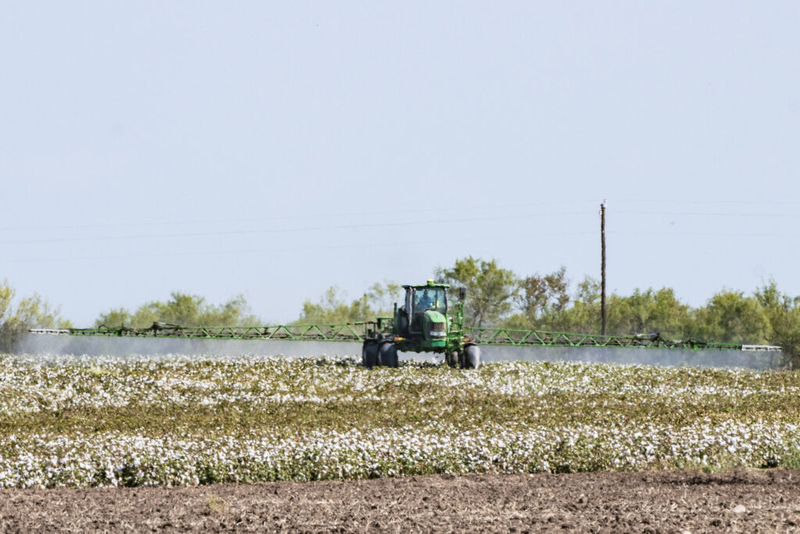
A farmer in Texas prays a cotton field. (Photo by Lance Cheung/USDA)
The Federal Trade Commission along with state attorneys general, including Iowa’s, have reached a settlement with the seed and pesticide manufacturer Corteva Inc. in a case about pesticide competition.
The lawsuit alleged the company was operating a pesticide loyalty program that violated monopoly laws. In addition to the $35 million settlement, a news release from the FTC says, the agreement will lead to lower pesticide prices for farmers.
The suit, which was filed in 2022, alleged that Corteva paid distributors to limit the sales of generic, less expensive pesticides and those of rival brands.
A news release from Iowa Attorney General Brenna Bird said the practice “raised farmers’ costs because it stifled competition by keeping less expensive generic alternatives off the shelves and permitted Corteva to maintain high prices on its products.”
According to Bird’s office, Iowa will receive approximately $2.4 million from the settlement.
“This is a great win for Iowa farmers, but also for all Iowans,” Bird said. “Higher input prices for farmers growing our food mean higher prices at the grocery store. Iowa farmers and families deserve a marketplace without inflated prices.”
The lawsuit, which was filed by attorneys general from California, Colorado, Illinois, Indiana, Iowa, Minnesota, Nebraska, Oregon, Tennessee, Texas, Washington and Wisconsin, was also against Syngenta Crop Protection, another top pesticide and seed company.
The complaint alleged the companies created loyalty programs to “artificially extend” their pesticide patents, which end after 20 years to allow generic versions of the formulas in the market. According to the complaint, the companies paid distributors via a loyalty program to keep their purchases of generic pesticides below a “very low threshold” which in turn meant the companies did not have to “compete fairly with generics.”
The lawsuit with Syngenta is ongoing and was not part of the $35 million settlement.
In addition to the financial agreement, the FTC’s settlement with Corteva prohibits the company, for the next 10 years, from implementing loyalty programs based on distributors purchasing higher amounts of pesticide ingredients from Corteva versus other companies. The company is also prohibited from discriminating or threatening customers for refusing to agree to exclusivity or loyalty terms, or for doing business with competitors.
A spokesperson for Corteva said in a statement Monday that the company is “pleased to reach a resolution in the FTC matter and continues to focus on our business, our customers and our work: delivering groundbreaking innovation and agronomic support to retailers and farmers around the world.”
David Shaw, the principal deputy director of the FTC Bureau of Competition, said in the news release that the settlement will “do away with unfair corporate practices that have hurt farmers by impeding the sales of lower-priced products.”
“The agreement the FTC and its state partners secured will give farmers better pesticide options at lower prices, enabling farmers to continue to put food on Americans’ tables,” Shaw said.
The FTC has initiated a number of lawsuits and investigations into anti-competitive behavior in the agriculture industry, including the equipment and fertilizer industries. Farmers say that high input costs are one of the factors making it difficult for many operations to turn a profit the past several years.
Des Moines, IA