Oklahoma ends ‘orphan tax’ amid pressure from the Trump administration
Jul 15, 2026 | 5:39 pm ET
Description
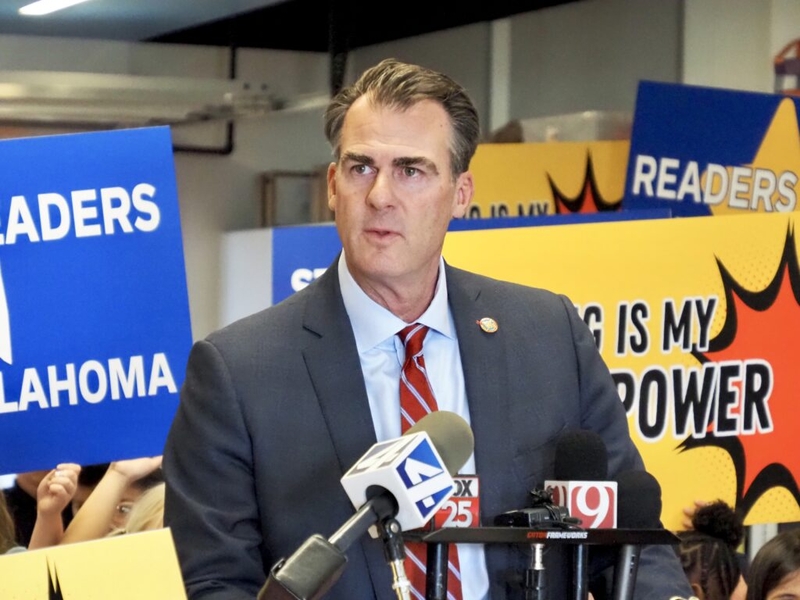
Gov. Kevin Stitt speaks at a bill signing ceremony at John W. Rex Charter Elementary in Oklahoma City on April 21, 2026. (Photo by Nuria Martinez-Keel/Oklahoma Voice)
OKLAHOMA CITY — Oklahoma’s governor said Wednesday that the state will no longer divert Social Security survivor benefits from children in the state’s foster care system.
Gov. Kevin Stitt said Oklahoma will no longer use the so-called “orphan tax” to pay for children in foster care and instead preserve the benefits for future youth. Stitt said the change will help the youth leave the system with “greater opportunity and a stronger foundation for success,” he said.
Social Security survivor benefits are monthly payments some children are entitled to collect from the government after their parent dies. Previously, Oklahoma and dozens of other states collected benefits on behalf of the children in foster care and used them to reimburse state costs.
“Every child deserves the opportunity to pursue the American Dream and build a brighter future, regardless of the circumstances they were born into,” Stitt said in a statement. “I’m proud that Oklahoma can join the effort to protect Social Security survivor benefits earned on behalf of children in foster care and ensure they’re used in the best interest of each child.”
In its 2021 report exposing the practice, NPR and the Marshall Project found that states routinely spent foster care youth survivor benefits on their foster programs despite being required to provide care.
In December, the U.S. Department of Health and Human Services called on states to end the practice of paying for foster care using the “orphan tax.” First Lady Melania Trump suggested that states place the benefits in “Fostering the Future Accounts,” a new initiative designed to help foster children build wealth.
Oklahoma will become the 30th in the nation to follow the federal recommendation.
Last month, Stitt tasked the state’s Department of Human Services with identifying children eligible for federal benefits and creating long-term saving opportunities for the foster youth. He also opted into Trump’s Fostering the Future accounts for survivor benefits last month.
His office did not respond to a request for more information about how the program would run as of publication.
When reached for comment Tuesday, the Oklahoma Department of Human Services did not answer questions about where the survivor benefits will go, if a foster child can access it to pay for care while in state custody and how the change would impact the department’s budget.
Nazarene Harris, a spokesperson for the department, said the department’s Child Welfare Services division is developing processes to implement the change.
“When a child loses a parent, those survivor benefits represent more than financial support, they represent a family’s hope for their future,” said Michael Williams, the director of the department’s Child Welfare Services. “We’re proud Oklahoma is ensuring those benefits stay with the young people they were intended to serve.”
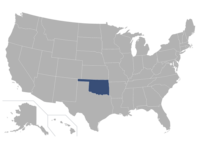
Oklahoma City, OK