Oklahoma education, foster care bills take effect July 1
Jun 29, 2026 | 1:35 pm ET

Description
Oklahoma City, Oklahoma
OKLAHOMA CITY – More than 100 new laws take effect Wednesday.
Many deal with the state’s fiscal year 2027 budget, which begins July 1.
Other measures though are expected to impact public schools, employee pay and youth in foster care.
Here’s a breakdown of some of the higher-profile measures that take effect Wednesday.
- Lawmakers in House Bill 1276 made permanent the state’s bell-to-bell ban on the use of cellphones and personal electronic devices on public school district campuses.
The measure makes an exception for emergencies.
- House Bill 1484, dubbed Rain’s Law, requires schools to provide yearly training to students in grades six through 12 in fentanyl abuse and drug poisoning. Fentanyl is an opioid used in pain management and is significantly stronger than morphine. Overdoses are on the rise, according to the CDC. The bill is named after Rain Reece, a 19-year-old Cameron University student who died after unknowingly taking the drug.
- Senate Bill 1377 requires that foster children who move placements to be provided with a duffel bag if they don’t have luggage for their personal belongings.
Sen. Chuck Hall, R-Perry, a former foster parent, said in a statement that many times children are forced to put their belongings in a trash bag because they don’t have luggage. Lawmakers allocated $250,000 for the bill.
- Another measure, Senate Bill 1806, allows young adults in foster care to continue receiving services, such as stipend payments, Medicaid coverage and support from a caseworker, through the Oklahoma Department of Human Services until they turn 21. It also permits certain young adults who previously aged out to opt back into services if they are under 21.
“For many of these young adults, turning 18 doesn’t mean they suddenly have the resources or support needed to thrive,” said Senate President Pro Tem Lonnie Paxton, R-Tuttle, in a statement. “This law helps provide stability during a critical period in their lives and gives them a stronger foundation for long-term success.”
The Legislature budgeted $5 million to cover the expansion, and DHS expects to receive about $1 million in federal funds.
- Senate Bill 1204 provides three days bereavement leave for teachers and support staff following the death of a spouse or child, including a miscarriage. The leave is in addition to sick time for a recovering mother.
“It’s something major employers in our state already provide,” said Sen. Mark Mann, D-Oklahoma City, in a statement. “Extending this benefit to our public school employees will help us better attract and retain professional educators.”
- Senate Bill 201 increases the minimum teacher salary schedule by $2,000. Some are concerned that districts were not provided enough money to pay for it. Lawmakers allocated $100 million to pay for it.
- Senate Bill 1481 doubles the recess time for students in kindergarten through fifth grade. It increases the daily recess to 40 minutes for elementary students and those in full-time kindergarten. It also prohibits schools from taking away recess as a punishment.
“Giving students an extended break from computer screens and classroom lectures has been proven to improve their academic performance and concentration, all while reducing disruptive behavior in schools,” said Sen. Ally Seifried, R-Claremore, in a statement.
- Senate Bill 169 increases state employee longevity pay by 50% across all years of service. Longevity pay is an annual lump sum full-time employees receive based on years of service. Supporters say it is used to attract and retain state employees. State employees are paid 48.05% below market, according to a recent report. Most have not had a pay raise since 2019.
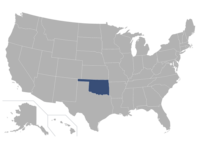
Oklahoma City, OK