Oklahoma City Black Lives Matter leader indicted on embezzlement, money laundering charges
Dec 12, 2025 | 3:10 pm ET
Description
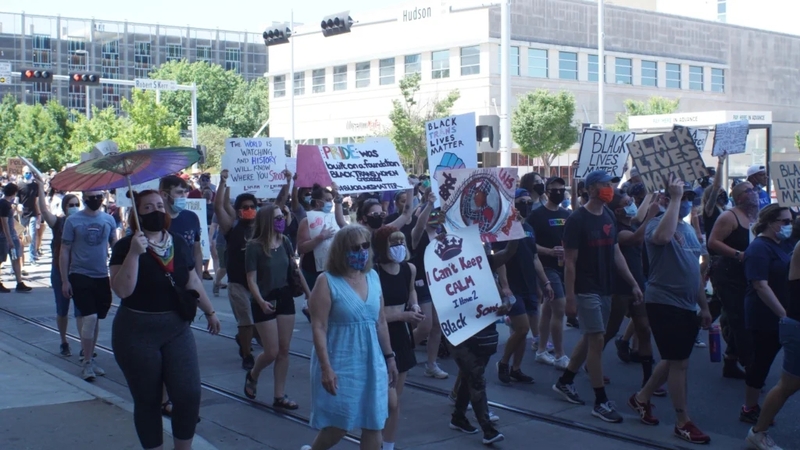
An Oklahoma City Black Lives Matter rally in June 2020 is pictured. (KOSU File Photo)
The executive director of Oklahoma City’s chapter of Black Lives Matter has been accused of embezzling more than $3 million meant to cover bail for Oklahomans detained in one of the country’s deadliest jails.
Prosecutors say BLM OKC executive director Tashella Sheri Amore Dickerson, 52, deposited at least $3.15 million in returned bail checks into her personal accounts.
Black Lives Matter had raised the funds to post pretrial bail for people arrested during racial justice protests in Oklahoma City after the 2020 murder of George Floyd. The indictment said much of the money was properly used at that time.
However, when a person’s case was adjudicated, and money was returned to BLM, instead of creating a revolving fund for people who couldn’t pay bail in the future, the U.S. Department of Justice alleges Dickerson deposited it into her personal accounts and into those of a company she controlled.
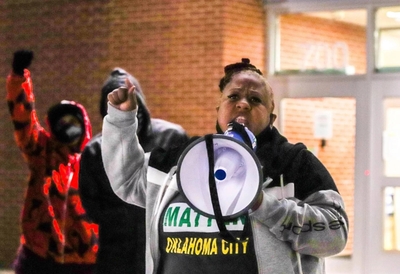
The jail in Oklahoma County, where the chapter is based, has long been cited for chronic understaffing, repeated health inspection failuresand a high number of deaths, including suicides.
“The Oklahoma County jail is known as a place that is totally inhumane,” Dickerson told The Oklahoman in 2020.
“The community has really stepped up and said, ‘We got you.’ Being able to support one another is epic,” she said to the newspaper.
The indictment said that support was not used to secure people’s release from jail, as donors intended. Instead, the money was used to pay for recreational travel to the Caribbean, a personal vehicle, six real estate purchases and tens of thousands of dollars in retail spending.
In a live video posted on her Facebook page Thursday afternoon, Dickerson reassured friends and family that she’s doing OK.
“This is not a formal comment,” she said. “I’m not giving a comment. All I am saying is that I’m letting my family and my friends and everyone that has been pouring into me know that I’m alright.”
“A lot of times when people come at you with these types of things … it’s evidence that you are doing the work,” she continued. “And so that is what I’m standing on.”
BLM OKC was not a registered 501(c)(3) organization under the Internal Revenue Code, which meant it could not accept donations from individuals or via grants, the indictment said. An Arizona-based nonprofit, Alliance for Global Justice, collected donations on its behalf.
In grant reports to the Alliance for Global Justice, Dickerson is accused of providing false information and failing to report her actions properly.
She faces 20 counts of wire fraud and five counts of money laundering, which, if convicted, could lead to decades in prison.
The Associated Press reported in October that the Department of Justice is investigating leaders in the BLM movement for defrauding the tens of millions of dollars it garnered during protests in 2020. A spokesperson for the Black Lives Matter Global Network Foundation did not comment on the allegations against Dickerson, but said the movement uses a decentralized leadership model.
“The Black Lives Matter Global Network Foundation operates independently from local chapters, and the local chapters operate independently of the Foundation,” the spokesperson said. “The Foundation remains committed to transparency and integrity, and disrupting what philanthropy looks like in service of Black people.”
This article was originally published by KOSU.
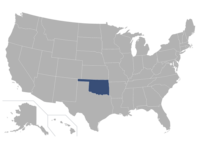
Oklahoma City, OK