Ohio has more than 1,000 reported cyclosporiasis cases, according to the state health department
Jul 17, 2026 | 11:00 am ET
Description
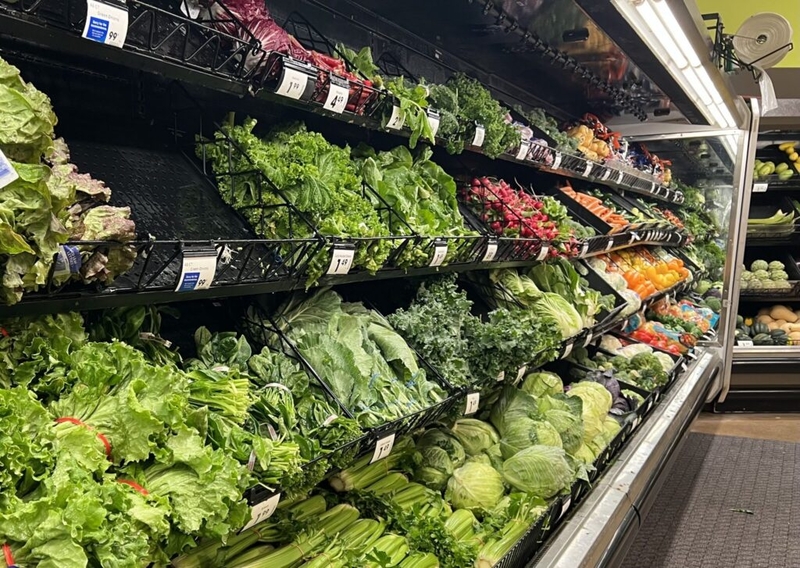
Vegetables and lettuces at a grocery store in Michigan. Michigan health officials say lettuces and salad greens are emerging as a likely source in the nationwide cyclosporiasis outbreak, which has sickened hundreds of people across 31 states. (Photo by Jon King/Michigan Advance)
Ohio has reported 1,316 cyclosporiasis cases as of Thursday, according to the Ohio Department of Health, as the parasite makes headlines around the country for causing gastrointestinal illness described by some as “explosive diarrhea.”
There have been 96 hospitalizations and Lucas County in Northwest Ohio has had the most cases with 278 as of Thursday, according to the state health department.
“Michigan seems to be leading much of the outbreak that we’re seeing here in the Midwest, and that’s just across the border,” said Ohio Department of Health Director Bruce Vanderhoff.
Michigan has reported 4,312 cases and 102 hospitalizations as of Thursday, according to their state health department.
Shredded iceberg lettuce from Taco Bells in Indiana, Kentucky, Michigan, Ohio, and West Virginia have been linked to the current cyclosporiasis outbreak, according to the CDC.
More than 1,644 people who have had cyclosporiasis reported eating at Taco Bell locations in the five states, and the CDC is recommending to not eat shredded iceberg lettuce from Taco Balls in those states.
Cyclosporiasis is an intestinal illness caused by the parasite Cyclospora cayetanensis, which is also known as Cyclospora.
People become infected by eating food or drinking water that contains the parasite, and folks can prevent cyclosporiasis by not eating food or drinking water contaminated with feces, according to the CDC.
People who have been sick reported symptoms starting either on or after June 22, according to the CDC.
“This organism is one that thrives in warm tropical or subtropical climates,” Vanderhoff said.
“Anytime we see an outbreak in Ohio or the broader Midwest, that outbreak is generally going to be traceable back to imported fresh produce, especially things like leafy greens, berries, fresh herbs that were contaminated at their original source.”
Cyclosporiasis is not typically life-threatening, but can cause severe watery diarrhea, Vanderhoff said.
Other symptoms include loss of appetite, bloating, weight loss, cramping, nausea, and fatigue, according to the CDC.
It can take anywhere from two days to up to two weeks to become sick after getting infected, and people can get infected more than once. Cyclosporiasis is generally not spread person-to-person.
“I would discourage people from avoiding the foods that are most likely to be at risk because they’re the kinds of foods that are really healthy and your body really needs fresh leafy greens, fruits, especially things like melons, raspberries, some herbs like cilantro and basil,” Vanderhoff said.
He recommends people wash their hands with soap and water before and after preparing fruits and vegetables.
“Thoroughly wash all of your fresh fruits and vegetables under running water,” Vanderhoff said.
“We don’t want you soaking them. We want you to scrub them (and) clean them under running water. … Once you’ve gotten them thoroughly cleaned, dry them, and then put them into your refrigerator promptly.”
Cyclosporiasis can be treated with certain antibiotics. Symptoms can last from a few days to more than a month without treatment, according to the CDC.
“We want people to seek medical attention because otherwise they can get very ill,” Vanderhoff said.
“They can become severely dehydrated, and can have a whole variety of problems related to that.”
Follow Ohio Capital Journal Reporter Megan Henry on X or on Bluesky.
Columbus, OH