NV tobacco taxes need to be reformed, reallocated, and raised, coalition says
Jul 10, 2026 | 8:00 am ET
Description
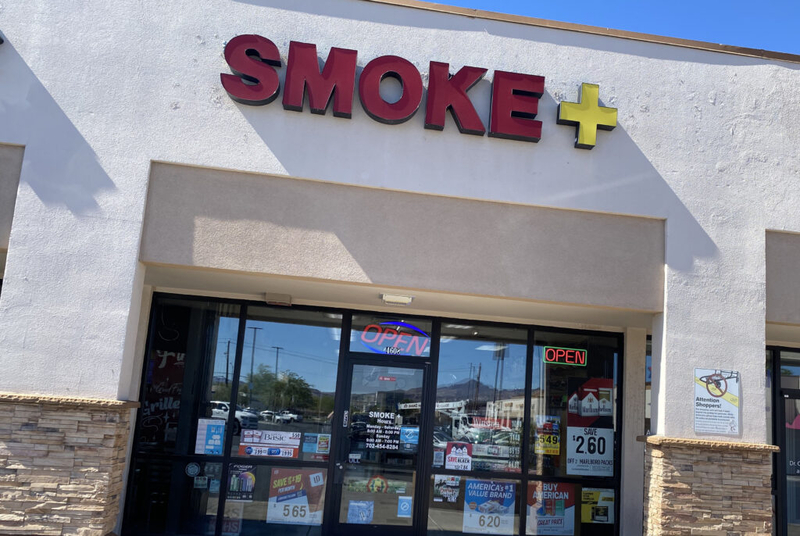
The coalition estimates a tax increase would result in a 12% decrease in youth smoking and prevent 4,000 children from becoming adult smokers. (Photo: Hugh Jackson/Nevada Current)
A coalition of health organizations are urging lawmakers to consider nearly doubling Nevada’s cigarette tax and dedicating some of that funding to tobacco prevention and cessation programs.
“Today we’re generating significant tobacco revenue but investing very little back into helping people quit or preventing youth from starting,” said Jennifer Atlas, the Nevada government relations director for the American Cancer Society Cancer Action Network.
ACS CAN is part of the Nevada Tobacco Control & Smoke-free Coalition, which presented policy recommendations to the Interim Legislative Committee on Revenue on Wednesday. The coalition also includes the Southern Nevada Health District and American Lung Association.
Nevada’s cigarette tax is currently set at $1.80 per pack, a rate last adjusted in 2015. The average rate nationally is $2.05 per pack.
The smoke-free coalition recommends raising Nevada’s cigarette tax by $1.75 per pack and raising the “other tobacco products” tax to 47% of wholesale price to achieve tax parity. Currently, OTPs — the category that captures e-cigarettes and vape products and some alternative nicotine products — are taxed at 30% of wholesale.
The coalition estimates these changes would bring in an additional $65.8 million annually, even after factoring in expected reductions in sales. It would also lead to a decrease in smoking, particularly among young smokers.
The coalition estimates a tax increase would result in a 12% decrease in youth smoking and prevent 4,000 children from becoming adult smokers.
“These are measurable health outcomes that translate into healthier families and lower long-term healthcare costs for Nevada,” said Atlas.
An estimated 4,100 Nevadans die each year from smoking-related diseases, according to the coalition, and smoking contributes to an estimated $160.1 million in annual Medicaid costs to the state.
Across Nevada’s entire healthcare system, smoking is associated with $1.25 billion in annual costs.
JoAnna Strother, with the American Lung Association, told lawmakers that research has shown youth and lower-income smokers are more likely to benefit because they are more likely to quit smoking because of tobacco tax increases.
“This is also where state cessation resources become really important and should be provided,” she added.
Using Nevada Department of Taxation data, the coalition found that only 0.5% of the state’s more than $205 million in annual tobacco revenue is allocated to tobacco control and prevention. That estimated $1.1 million in tobacco prevention funding comes from the state’s tobacco master settlement agreement, not from the state-collected cigarette or “other tobacco products” taxes.
The U.S. Centers for Disease Control and Prevention recommends Nevada spend $30 million per year on tobacco prevention. Nevada currently ranks 46th in state funding for tobacco prevention.
The smoke-free coalition also warned lawmakers against creating a separate tax structure for so-called “modified risk tobacco products,” like Zyn, that are pushing regulators to market themselves as lower-risk nicotine products. Such products are addictive and not approved as cessation products by the U.S. Food and Drug Administration.
“The industry is going to keep introducing new things to the market,” said Atlas. “They’re not going to stop.”
She added that Nevada needs a tax structure that treats new products the same — “so that it’s not this new product that all of a sudden is extremely cheaper than what they may have been using before.”
The ultimate goal is for people to stop using tobacco and nicotine products entirely.
Democratic state Sen. Dina Neal, who chairs the committee, raised the issue of declining tobacco use offsetting the bump in revenue provided by a tax increase. “What’s the replacement then?” she asked.
Atlas replied that every state that has enacted a similar tax increase has seen revenue increase.
“While it’s diminishing, it is predictable,” she said. “It’s not all at once.”
Data presented later in the meeting by the nonpartisan staff of the Legislature appeared to back that up, showing sharp increases in cigarette tax revenue collections in 2003 and 2015 after tax hikes, followed by slower declines in revenue.
The Interim Legislative Committee on Revenue will reconvene in August to determine which policy recommendations to sponsor as bills during the 2027 Legislative Session. Lawmakers on the committee gave no indication Wednesday whether they would support the coalition’s proposal.
Las Vegas, NV