NMDOJ seeks wide array of records related to federal drug agents’ fentanyl investigations in NM
Jul 02, 2026 | 2:13 pm ET
Description
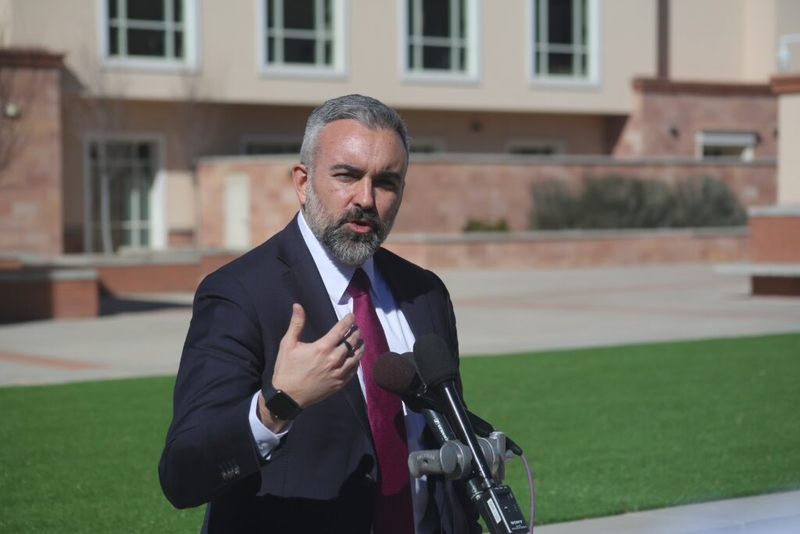
New Mexico Attorney General Raúl Torrez sent a letter on July 1, 2026, requesting a wide range of materials from federal law enforcement agencies that could shed light on federal agents’ practice of allowing shipments of fentanyl into New Mexico unseized. (Danielle Prokop/Source NM)
The New Mexico Department of Justice on Thursday announced it was demanding a wide array of records related to the U.S. Drug Enforcement Administration’s fentanyl investigations in New Mexico between 2022 and 2025, a period during which a whistleblower and media reports recently revealed agents allowed large quantities of the drug to enter communities without seizing them.
NMDOJ officials said the records request New Mexico Attorney General Raúl Torrez sent Wednesday to acting U.S. Attorney General Todd Blanche and acting DEA Administrator Robert Murphy marks an “important formal step” in the investigation Torrez announced June 26 following a request for one by Gov. Michelle Lujan Grisham.
“The people of New Mexico deserve a full accounting of the decisions that allowed deadly fentanyl to reach our communities,” Torrez said in a statement. “This records request is an important step in our investigation to determine what occurred, whether federal policies were followed, and whether anyone should be held accountable.”
The five-page demand for materials seeks the DEA’s policies, investigative reports, communications between agents and prosecutors, court filings, whistleblower complaints and an array of other materials that could shed light on an operation that the NMDOJ said allowed millions of pills to flow unseized through Albuquerque and other New Mexico communities.
The letter urges the federal agencies to produce the records by July 31 or, barring that, to produce a timeline by which it would provide them that reflects the “urgency and gravity of this matter.”
In statements to the Albuquerque Journal and Associated Press, which first reported on the DEA’s practice and a 2023 whistleblower complaint, the DEA has said its decisions were lawful and consistent with department guidance, and the administration defended the practice by saying agents allowed fentanyl to enter communities in hopes of catching high-level dealers and suppliers further down the line.
The revelations have prompted swift outcries from local, state and federal elected officials, as well as calls for congressional and other investigations. The officials have noted New Mexico has ongoing struggles with opioid addiction and overdoses. Lujan Grisham and other state officials on Monday called for the state to receive restitution from the federal government over the alleged activity.
The state’s drug overdose death rate has been one of the highest in the nation for most of the last two decades, and has more than tripled since 1990.
In such an environment, Torrez said in the statement that the NMDOJ expects the federal government to “cooperate fully so we can establish the facts and provide New Mexicans the answers they deserve.”
Santa Fe, NM