NJ Transit fares increase 3% again
Jul 01, 2026 | 6:00 am ET
Description
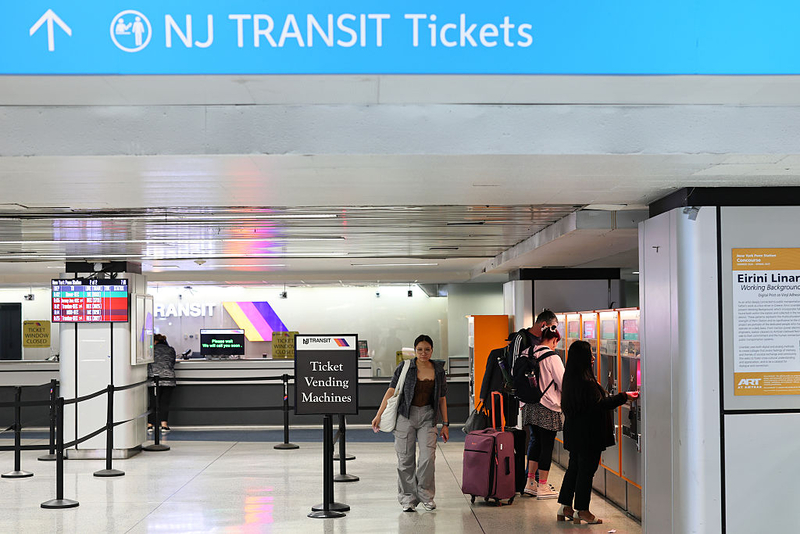
People purchase tickets at the NJ Transit section of Penn Station on May 20, 2025 in New York City. (Photo by Michael M. Santiago/Getty Images)
NJ Transit fares are rising 3% systemwide Wednesday, part of a plan implemented two years ago to hike bus, train, and light rail prices automatically every year.
That plan, which initially saw fare hikes of up to 15%, was intended to get NJ Transit riders used to regular increases in the cost of bus and rail tickets. The agency projects fares will bring in $980 million in revenue in the fiscal year that began Wednesday.
NJ Transit spokesman Jim Smith said riders expressed a preference for smaller, annual increases “rather than going multiple years without an increase and then implementing a steeper double-digit increase.” Prior to 2024, the agency had not hiked fares since 2015.
“This allows us to continue to operate full service while making necessary improvements to the customer experience and maintaining the ability to respond to evolving needs,” Smith said. “An example of that is what we were able to do when multiple private carriers abandoned dozens of bus routes with little notice over the last few years. NJ Transit was able to absorb those routes and provide thousands of customers, who depended on those routes, with uninterrupted bus service.”
The hikes come as NJ Transit faces serious budget challenges, with the agency projecting its costs are rising about 1% higher than its budget is growing. A big challenge for NJ Transit this year is the World Cup. The agency could face a multimillion-dollar budget hole because far fewer soccer fans are using NJ Transit to get to MetLife Stadium in East Rutherford than NJ Transit projected.
One regular NJ Transit rider, Adam Reich, has started a petition to force NJ Transit to conduct public hearings ahead of its annual fare hikes. Reich cites a law signed in 2018 by then-Gov. Phil Murphy that calls for 10 public hearings before any fare hikes are implemented.
“I think that’s fairly reasonable to expect fare increases on some level. But I think an automatic fare increase plan that offers riders no input, no promise that the board and managers will ever listen to them again on the topic of fares, is something that, from a moral standpoint, should not be happening,” said Reich, who commutes along the northeast corridor.
NJ Transit officials have said they held those 10 hearings before the 2024 plan went into effect and that, because the subsequent fare hikes were automatic, they did not go before NJ Transit’s board for approval.
Smith said NJ Transit is “in compliance with all statutory requirements.”
Reich’s petition has garnered over 600 signatures as of June 30. Reich said he hopes riders can use legislative races in 2027 to make their voices heard.
“Next year would be an election year for the Legislature, so if riders start to make enough noise with their state delegations, that might be the difference maker,” he said.
Trenton, NJ