NJ residents embrace some vaccines, but not universally, new Rutgers poll shows
Nov 24, 2026 | 5:34 pm ET
Description
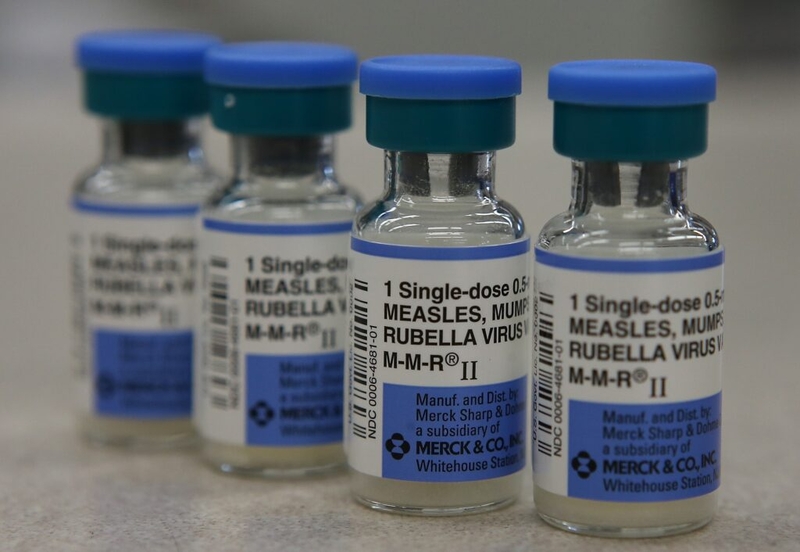
Most New Jerseyans are confident in the MMR and flu vaccines, but less so when it comes to COVID-19 shots, a new Rutgers poll found. (Photo Illustration by Justin Sullivan/Getty Images)
New Jerseyans have strong faith in several decades-old vaccines, but less when it comes to the COVID-19 shot — and politics seems to impact their feelings, according to a new poll from Rutgers University.
Some 86% of residents said they were confident in the safety of the MMR vaccine, which protects against measles, mumps, and rubella, and 77% felt the same way about influenza immunization, Rutgers found. But only 57% of respondents said they were very or somewhat sure COVID-19 shots were safe, while 20% voiced concerns about it, poll results say.
Commissioned by the Center for Health Equity and Wellbeing, New Jersey’s newly formed public health institute, the poll also showed Democrats are far more confident about vaccine safety than Republicans or independents. People with more education and higher incomes also were more likely to embrace immunization, it found.
“Confidence in long-standing vaccines like MMR and, to some extent, the flu is strong, but the COVID-19 vaccine remains a significant partisan flashpoint nearly six years after its rollout,” Ashley Koning, an assistant professor and director of the Rutgers’ Eagleton Center for Public Interest Polling, said in a press release.
The poll surveyed just over 1,000 adults over several days in late September.
The data was released a week after global health authorities announced that measles was officially endemic again in the United States, following a year of continuous outbreaks around the country, including in Pennsylvania and New York. New Jersey has had several reports of possible measles exposure and two reported cases, but no measles-related deaths in 2026.
Denise Anderson, executive director of the health equity center, said the loss of measles elimination status underscores the need to address misinformation around vaccines. Immunization rates have ebbed in New Jersey and nationwide, prompting concerns for healthcare leaders.
“Public health agencies, health care providers, and community partners must work together to build trust in science. That starts with listening to people’s questions and sharing clear, accurate information in ways that reach them, through channels they use and messengers they trust,” Anderson said in the release.
According to the poll, most New Jerseyans get vaccine information from their doctor or another healthcare expert, while some talk to a pharmacist. Half trust advice from family and friends, while half avoid talking about immunization with these sources.
Residents are also split fairly evenly on whether they trust the federal Centers for Disease Control and Prevention, long considered the leading source of guidance on communicable disease, until President Trump tapped vaccine-skeptic Robert F. Kennedy Jr. to lead the health agency that oversees it.
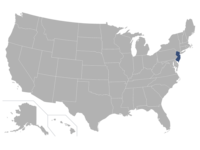
Trenton, NJ