NJ panel mulls giving state more control over energy generation — and utility bills
Oct 06, 2026 | 6:41 am ET
Description
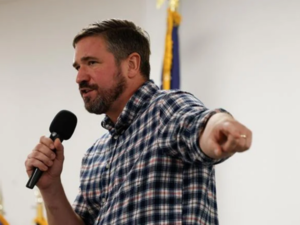
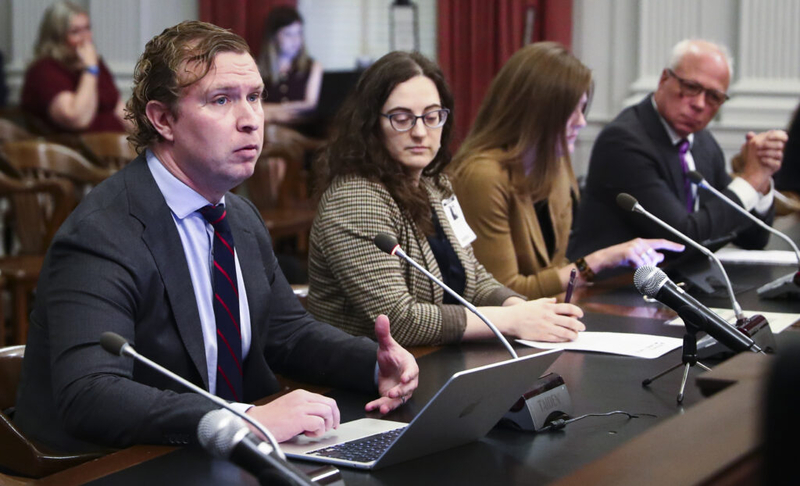
Eric Miller headed former Gov. Phil Murphy’s climate action and green energy office. He testified at the Statehouse in Trenton on Oct. 5, 2026, about legislation that would create a state agency to oversee energy programs. (Photo by Dana DiFilippo/New Jersey Monitor)
Some New Jersey legislators want to create a state agency to oversee energy programs, an effort intended to give the state more control to expand its energy capacity and ultimately cap soaring utility bills that have enraged residents statewide.
Members of the Assembly’s telecommunications and utilities committee heard more than two hours of testimony Monday on two bills now in the Statehouse pipeline that would create a new executive-branch department to focus solely on energy policy, procurement, and implementation to help the state expand its energy capacity. That’s a dire need, with the state now only generating two-thirds of the energy it uses and power-hungry data centers increasingly driving up demand, the bills’ supporters said.
The state Board of Public Utilities now is tasked with such work, as the only state agency overseeing energy. But its primary mission has been — and should remain — regulating electric, water, natural gas, telecommunications, and other utilities to protect residents from predatory rates, supporters said.
Safeguarding customers and expanding energy capacity are two goals that can sometimes conflict, said Assemblyman Robert Karabinchak (D-Middlesex), the chief sponsor of a bill that would create a state energy resource and development division. The other bill would establish a state Department of Energy with similar objectives. Both emphasize expanding renewable energies.
“No disrespect for BPU because I like BPU. I think they do an excellent job of protecting the ratepayers,” Karabinchak said. “However, I think there has to be some level of separation, because if your boss is saying, ‘I want you to protect the ratepayers’ at the same time he’s saying, ‘I want you to think out-of-the-box and tell me anything that you could do to increase our energy capacity that may not be cheap today, but in 10 years will be,’ I want that independence.”
New Jersey had a state department of energy until 1987, when former Gov. Tom Kean abolished it to save money and reduce bureaucracy.
While data centers were a common scapegoat at Monday’s hearing, advocates pushing for change also blamed skyrocketing utility costs on PJM Interconnection, the nation’s largest electricity grid operator. PJM serves New Jersey and a dozen other states, and electric prices have repeatedly risen during its annual auctions.
“That’s what we should be doing — trying to figure out how do we break our ties with PJM and get away from that circus,” said Assemblyman Kevin Egan (D-Middlesex).
Assemblyman Paul Kanitra (R-Ocean) grilled several speakers for “throwing PJM under the bus,” blamed Democratic lawmakers’ “ideology on climate change” for spiking costs, and blasted former Gov. Phil Murphy’s administration for what he regarded as policy failures.
Murphy officials issued an energy master plan in 2019 meant to expand renewable energy and lasso rising costs, and updated it last year. But Eric Miller, who headed Murphy’s climate action office, agreed Monday that “not all of it is actionable.”
“We were setting a broad blueprint for what we think the energy system could look like and how to get there, but it is not a deep integrative resource plan,” Miller testified. “We know what type of energy we need, where we need it, how much, when we need it. All of those questions are answered.”
But, Miller added, the Board of Public Utilities does not have the broad procurement authority required to take that plan to fruition.
While some witnesses on Monday, including industry experts, agreed policymakers should act to expand energy capacity and rein in runaway costs in New Jersey, some were uncertain that creating a separate state agency is the best strategy.
“Having a Department of Energy is probably the most expensive way of doing it,” said Ray Cantor of the New Jersey Business and Industry Association. “But it may also be the way of giving it the most highlight and importance within the administration.”
Brian Lipman, director of the state Division of Rate Counsel, warned lawmakers that the bills’ focus on renewable energy could be problematic because renewable energy development is expensive and the bills contain no guardrails to insulate ratepayers from those costs.
“It’s unclear where the prudency review of these projects will be done. It is unclear who is going to be looking to make sure that these projects are within the realm of affordability,” Lipman said.
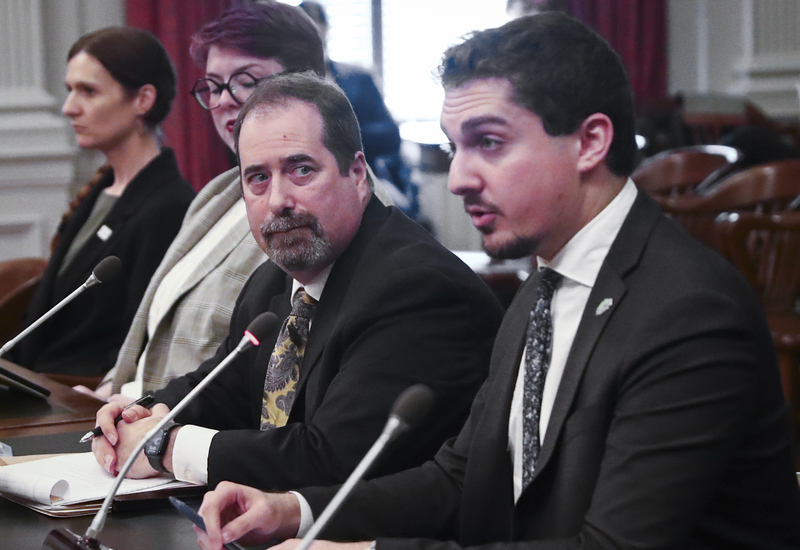
Katie Mettle of Advanced Energy United urged legislators to hire consultants to examine what other states do and prescribe the best way forward for New Jersey.
The panel did not vote on the bills. The hearing was meant to help shape the state’s next steps, said Assemblyman Wayne DeAngelo (D-Mercer), the committee’s chairman.
“Listen, I think the discussion and topic of the Department of Energy, whether it’s solely by itself, whether it’s a hybrid, whether it’s revamping of the Board of Public Utilities, something needs to be done because our communication and investment into energy generation was not there,” DeAngelo said. “We were very sporadic. We’ve been sporadic for the past 25 years, going back to when we started with solar.”
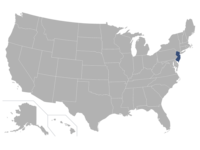
Trenton, NJ