NJ Transit summer train cancellations rose in 2026
Oct 07, 2026 | 7:01 am ET
Description
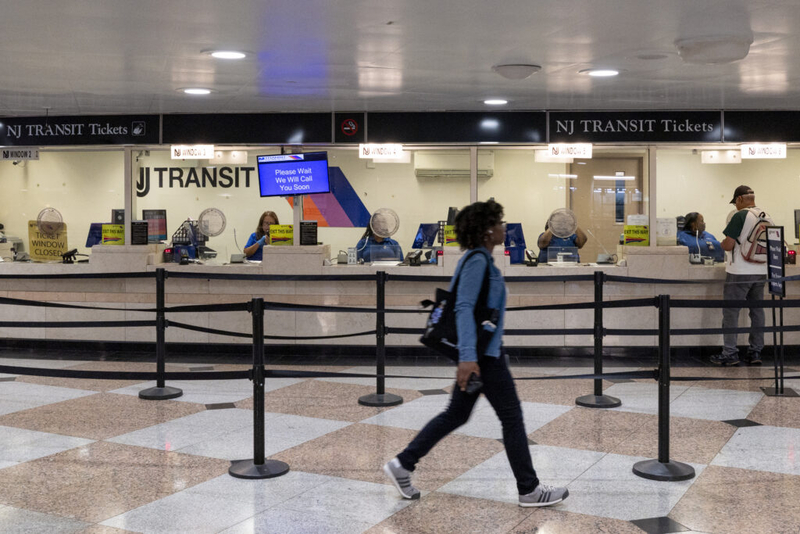
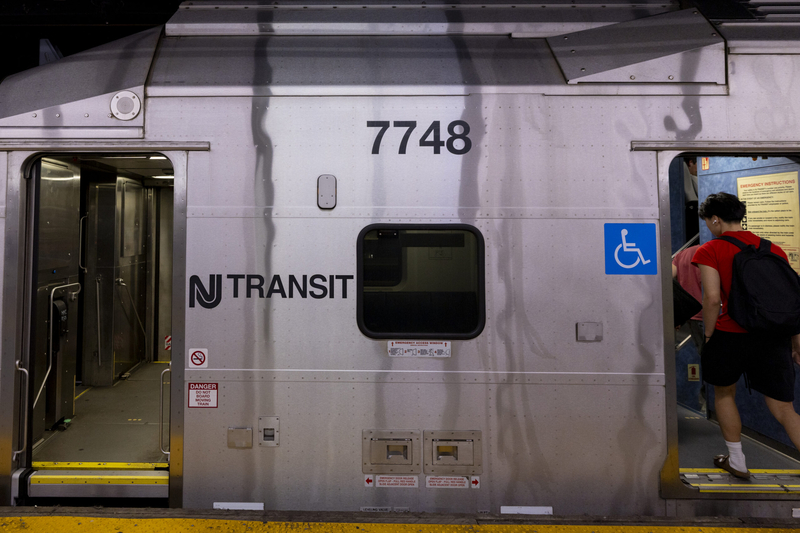
NJ Transit canceled 1,715 trains between June and August, a slight increase from the summer of 2025. The agency blames intense heat and severe storms. (Photo by Anne-Marie Caruso/New Jersey Monitor)
New Jersy Transit’s summer train cancellations edged up to 1,715 this year amid aging equipment, inclement weather, some staffing issues, and recurrent disruptions from Amtrak.
The 1,715 trains canceled between June 1 and Aug. 31 mark a slight increase from the 1,646 canceled over the same period last year. The difference was driven entirely by intense heath and severe storms that caused a surge of weather-related cancellations in July.
“There was major unprecedented heat in July along with extreme storms that took down trees throughout the system,” said Jim Smith, a spokesperson for NJ Transit.
Smith said the agency’s Morris and Essex line was especially hard hit, seeing more than 50 trees toppled during just one severe storm.
Summer has often been a difficult season for NJ Transit over the last decade as heat degrades the performance of some rail infrastructure, adding to other performance woes at an agency that was underfunded for much of this millennium.
The agency reported 657 cancellations due to unpreventable issues, the category that captures weather-related incidents.
NJ Transit reported only 288 unpreventable cancellations last year, and this year’s total is the highest since 2020, when a tropical storm stopped trains across multiple NJ Transit lines, sometimes for days.
Mechanical issues from New Jersey’s aging fleet of trains were the second leading cause of cancellations. Those prevented 459 trains from running over the three-month period, down from 634 the prior year. They numbered just 174 in 2019.
Tom Haas, chair of the NJ Transit Brotherhood of Locomotive Engineers and Trainmen, said degrading performance was to be expected of trains that have been in service for decades, including some that have been on the tracks for about half a century.
“Simply put, it’s getting old,” Haas said. “Just like a car that had 300,000 miles on it, it may still be a good car that’s normally reliable, but that advancing age is going to start to take its toll, and maintenance issues are going to become more and more frequent.”
The age of the agency’s existing rolling stock can add other wrinkles. Some of the trains’ manufacturers have gone out of business or stopped producing certain parts, making repairs harder, Haas said.
NJ Transit is in the process of replacing its entire rail fleet through the purchase of 374 new multilevel train cars, the first of which are expected to arrive and be put into service sometime this year.
For NJ Transit commuter Assemblyman Andrew Macurdy (D-Union), those train cars can’t come soon enough, and repeated delays to their delivery have become something of an irritation.
New Jersey ordered the first of its new Multilevel III rail cars in 2018, but pandemic supply chain disruptions pushed back their original 2023 delivery date. A later timeline that would have put the first of the new cars into service in mid-2025 was also missed.
“NJ Transit has made a big investment in addressing this one piece of the problem, so let’s bring that investment to fruition. Looking at past experience, the trains are very, very late in terms of being completed and delivered,” said Macurdy.
Smith, the NJ Transit spokesperson, said the agency still expects the first of the new trains to come into service this year.
Amtrak-related cancellations surged back to 164 this summer after plummeting into the low double-digits last year. The quasi-public corporation owns tracks and other infrastructure used by some NJ Transit train lines, most notably the northeast corridor, the nation’s busiest commuter rail line.
Problems with the catenary wires from which trains draw power were the main cause of issues, Smith said. Those wires can sag and malfunction during extreme heat. Still, Amtrak performance far exceeded some past years. Amtrak was responsible for 527 cancellations in the summer of 2024.
Crew- and engineer-related cancellations — a leading source of disruptions early in former Gov. Phil Murphy’s tenure — declined slightly to 231 but remained significantly elevated over levels seen in summers between 2021 and 2024.
Haas, the engineers’ union president, said retirements had thinned the ranks of NJ Transit’s locomotive engineers some, adding that while the agency had moved to restore their ranks, engineers’ 20-month training regimen meant progress took time.
“We just do not have that reserve right now. That’s in large part because of how long it takes for a candidate, a trainee, to go through the training program to become a fully qualified locomotive engineer,” he said. “It’s almost two years.”
Though World Cup service restricted outgoing commuter rail at some specific stations on some days, the event did not affect NJ Transit train performance overall, Smith said.
Trenton, NJ