NJ man granted clemency walks free with plan to fight for prison justice
Dec 05, 2025 | 6:52 am ET

Description
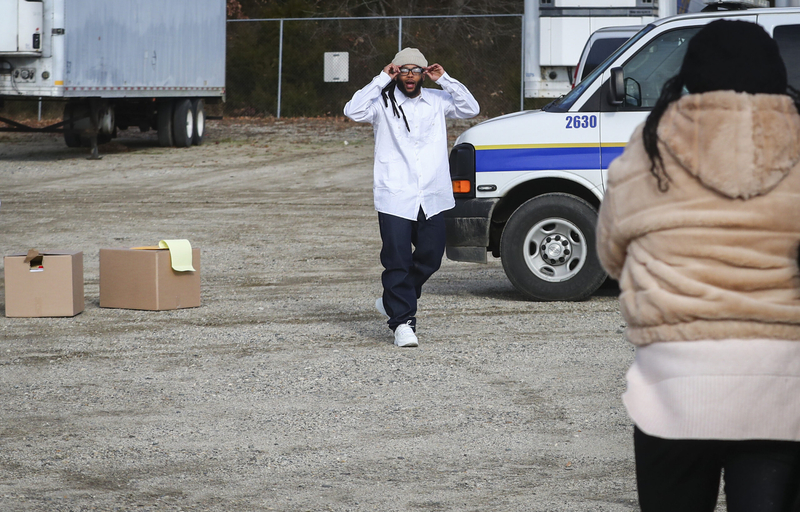
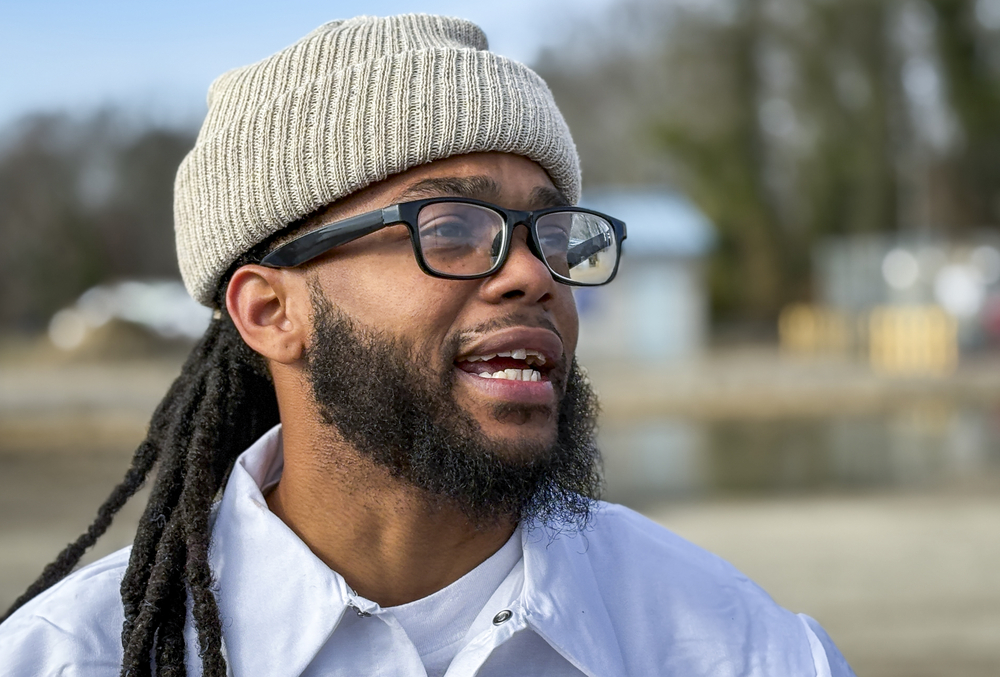
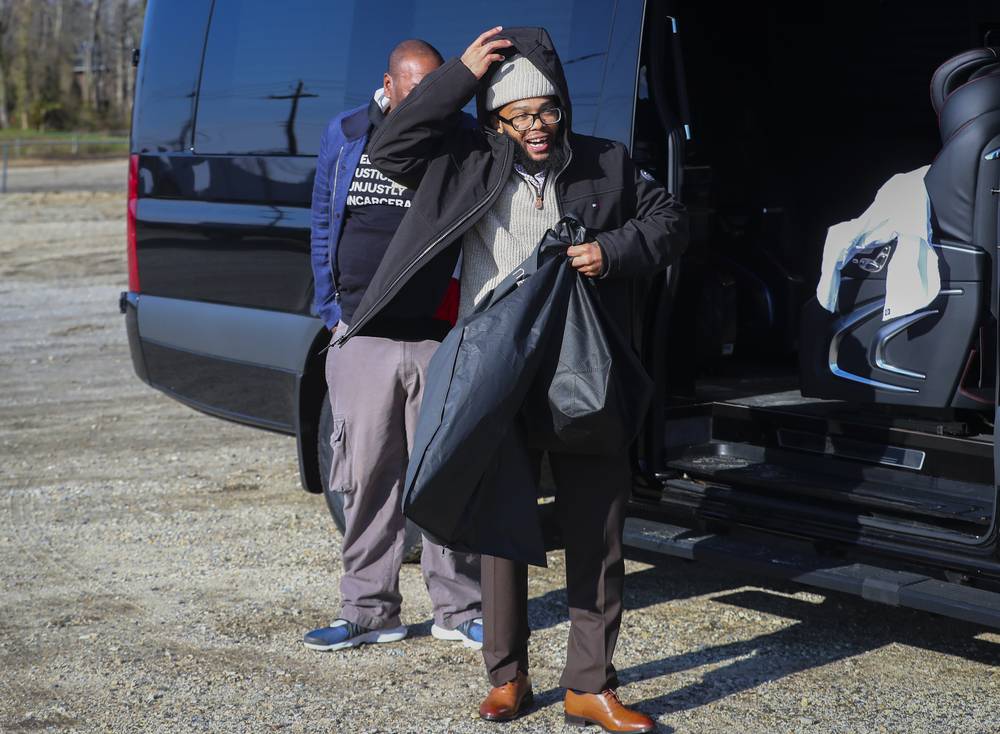
LaShawn Fitch was so excited to FaceTime friends after he was released from prison that he did so before even leaving the prison grounds on Dec. 4, 2025. (Photo by Dana DiFilippo/New Jersey Monitor)
BRIDGETON — For 17 years, LaShawn Fitch has fought for his freedom, saying he never participated in the 2008 murder in Eatontown that landed him behind bars on a 40-year prison term.
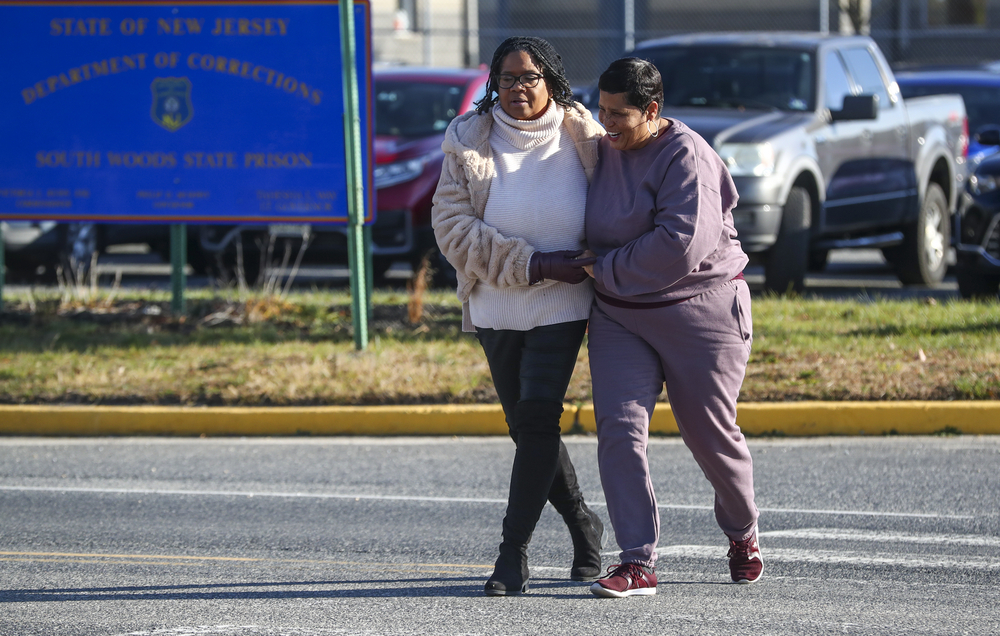
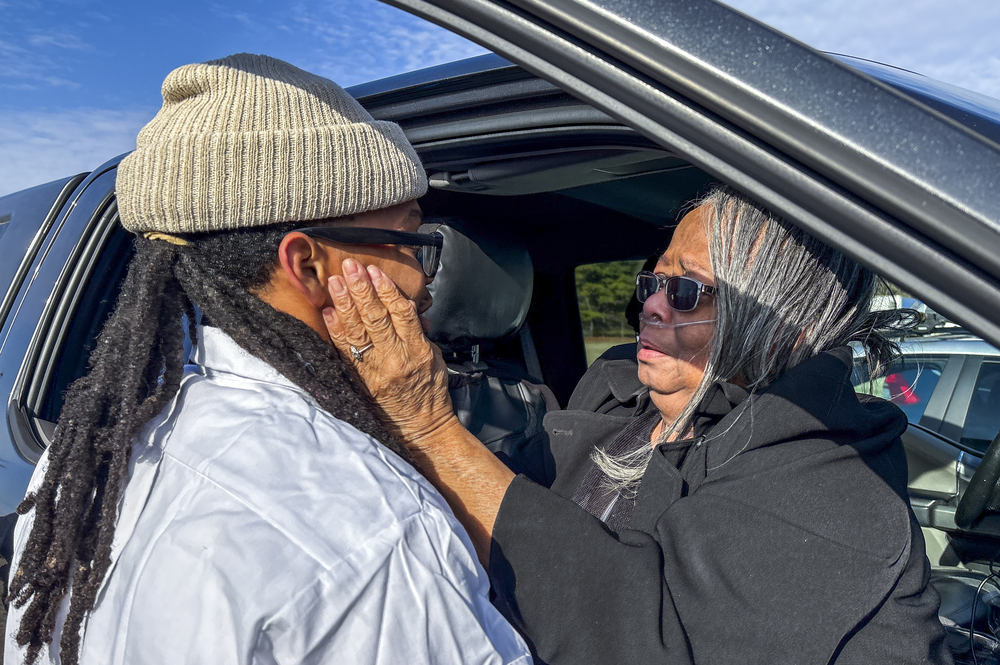
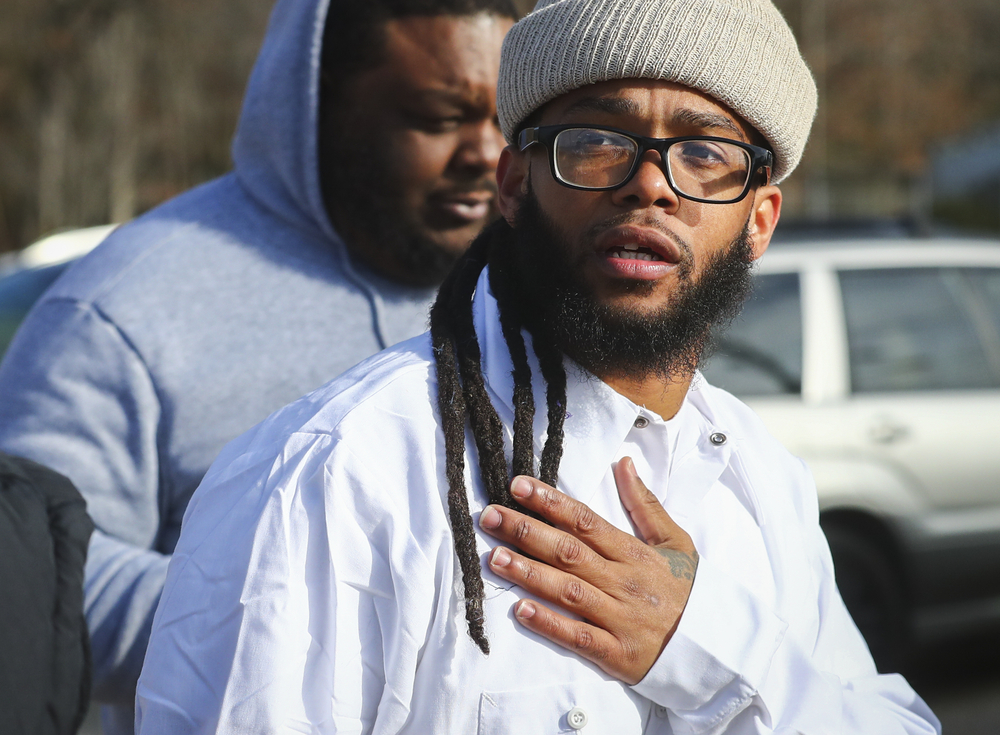
Thursday, he was released from South Woods State Prison to an impatient, joyful crowd of family and other supporters, after Gov. Phil Murphy commuted his sentence last month. He was one of 283 people to get clemency so far under a sweeping initiative Murphy began last year.
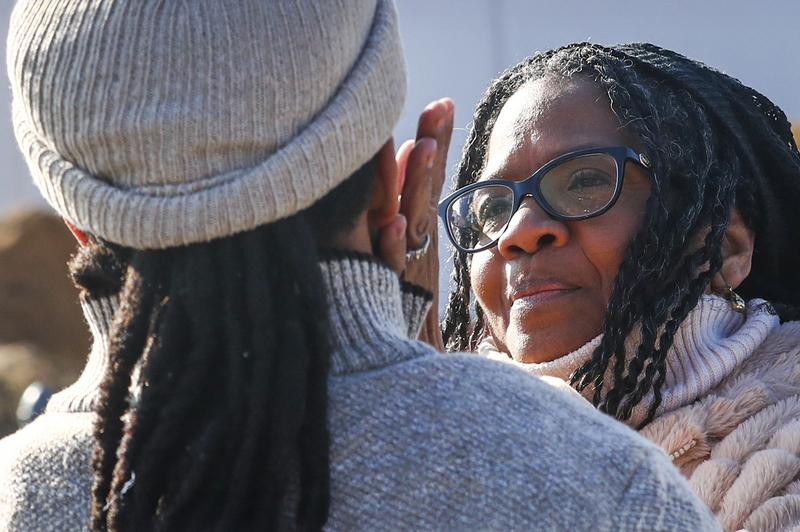
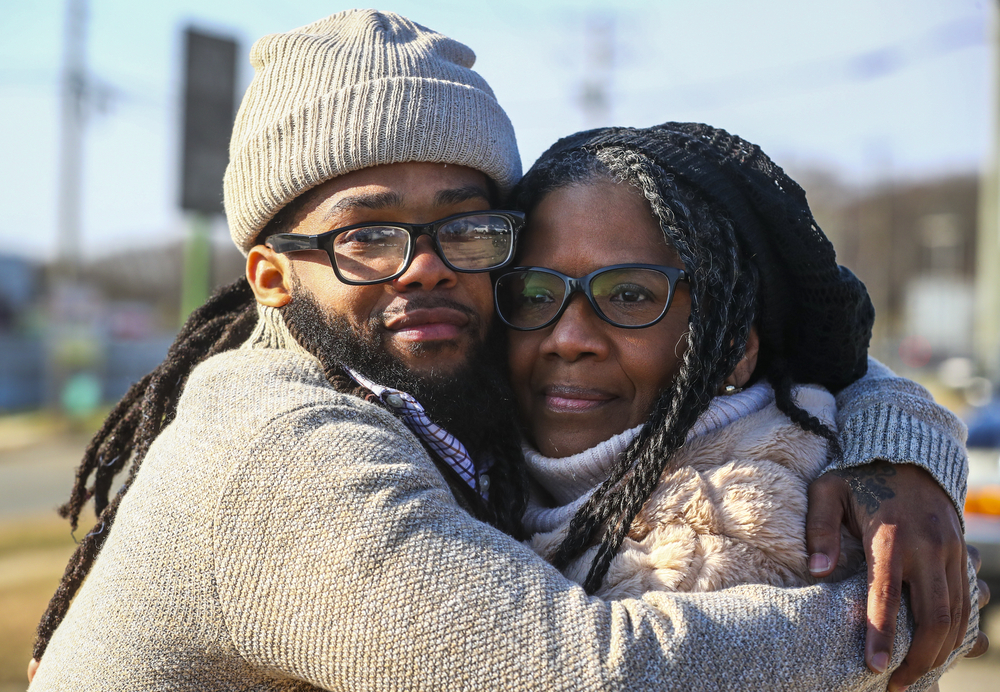
Although he walked out the prison doors two hours later than scheduled, he loitered in the cold sunshine across the street to hug loved ones, FaceTime friends, give a speech, change into an outfit his mom brought, make sure boxes of legal paperwork got into the right car, muse about his future, and do any other number of things besides leave.
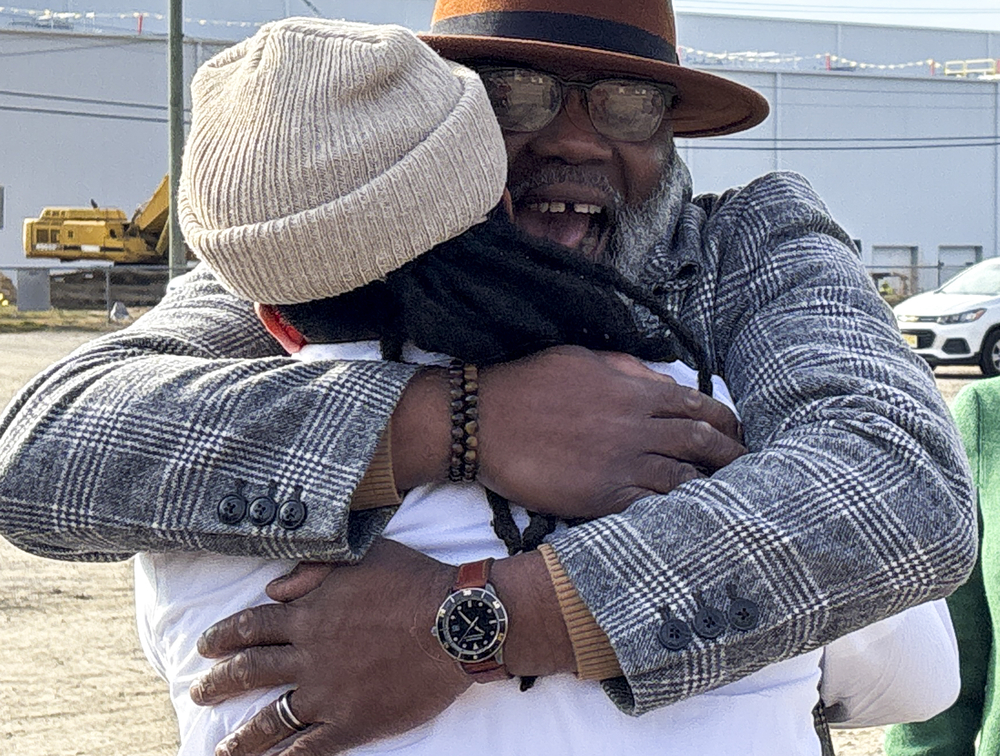
“C’mon, you got to get off of these prison grounds,” supporter Derrick Hamilton told him after about 40 minutes. “You’ve been here long enough.”
So everyone hit the road home. But Fitch said he’s far from done with the prison system.
“I’m not going to stop until my name is exonerated,” he said. “I’ve been helping brothers with lawsuits. I still got three, four pending lawsuits against prisons right now … So just know this: This is just being written. We still going. We moving forward.”
Fitch’s fervor is unsurprising to anyone who knows him.
At New Jersey State Prison in Trenton, he became a paralegal and eventually director of the inmate legal association, a prisoner-run group in some prisons that helps incarcerated people with court filings. He has filed grievances, sued the state, and spoken out publicly over everything from better computer access for incarcerated people to solitary confinement to pandemic restrictions that lingered long after the crisis ended. He suspects he was transferred from Trenton, where he’d spent most of his time incarcerated, to South Woods, the state’s largest lockup, as retaliation for his prison activism, so he sued over that too.
Thursday, he took advantage of the moment to continue agitating for change. He thanked Murphy for his “courage and boldness” in granting more than twice as many clemencies as previous governors combined in the past 30 years — and then he called on Gov.-elect Mikie Sherrill to carry on the work.
“There’s so many deserving brothers and sisters that need the opportunity that I get today,” he said.
He also blasted New Jersey’s worst-in-the-nation racial disparities in its prison population and urged lawmakers to act on Murphy’s stalled plan to stop sending technical parole violators back to prison. Those are people who break the conditions of their parole, rather than get charged with new crimes.
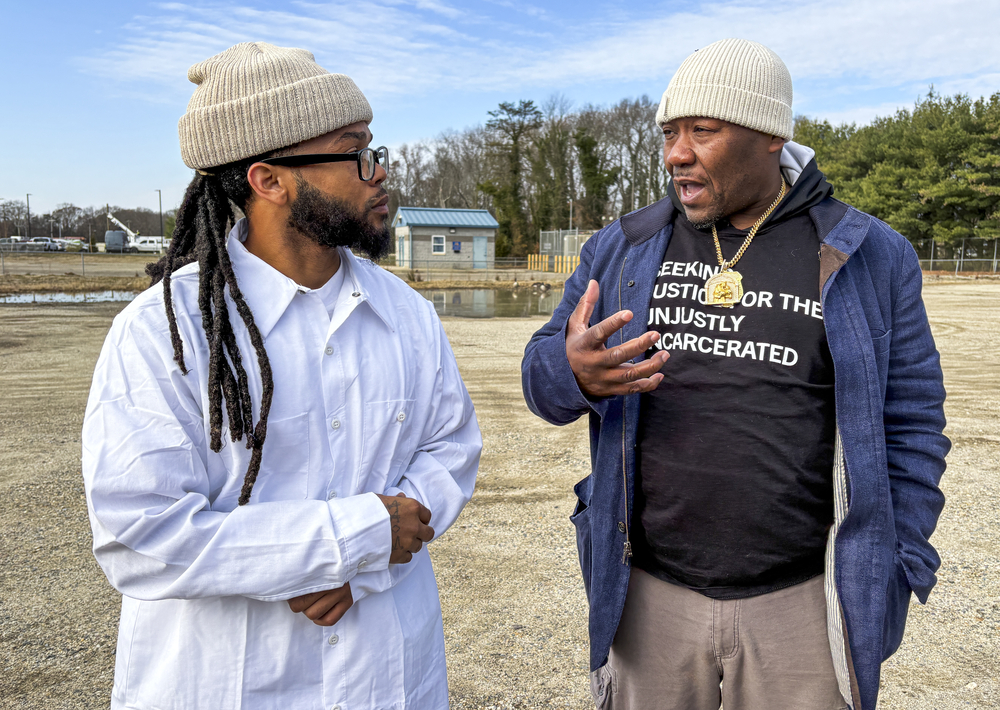
Two exonerees joined Fitch’s family outside the prison to cheer his release — Hamilton, who left prison 14 years ago after his wrongful conviction in a New York case, and Sean Washington, who was exonerated in 2020 in a Camden case and befriended Fitch when both were incarcerated in Trenton.
Both men beamed at Fitch as he flitted among his relatives for hugs and high-fives, remembering well the days they finally saw freedom.
“I like to say we left in the Flintstone era and came back in the Jetsons era. Everything is so fast, these phones, this technology, you know, everything’s changed over the years. It’s a rough transition,” Washington said.
Hamilton thinks Fitch will be just fine. Hamilton is now the deputy director of Cardozo School of Law’s Perlmutter Center for Legal Justice, and his center has been investigating Fitch’s case for two years with the goal of clearing his name.
“We going to do everything we can to find the evidence that we can to exonerate him,” Hamilton said. “We take our time. We want to make sure we get it right.”
Murphy has taken a categorical approach to clemency to make it fairer, expediting for consideration cases that fit certain categories, including those with excessive trial penalties. That’s when a defendant refuses a pretrial plea bargain and exercises their right to trial, only to get a much longer sentence after conviction. Prosecutors had offered Fitch a 20-year plea deal, but he opted to go to trial because of his innocence claim — and then got 40 years.
The state has also increasingly trended toward leniency for juveniles in criminal trouble. Fitch was 17 — just one year older than his son is now — when the murder that derailed his life occurred.
He’s now 35. Soon, he will join father Anthony Robinson’s remodeling business until he can resume his legal work. He aims to be a lawyer — though that is not news to his family. He represented himself at his 2014 trial after he lost faith in his assigned counsel. He also wrote a book, titled “A Prisoner’s Plight,” that he hopes to get published, and he plans to start a nonprofit called Justice for Jersey and a podcast to feature the stories of those granted clemency.
“I carry full and wholeheartedly the spirit of a fighter. I’m going to continue to fight,” Fitch said.
But first, sweet potato pie.
His aunt Tereasa Robinson was up at 4 a.m. making several pies, and his mother, Barbara Robinson, said the family planned a belated Thanksgiving celebration at her Jersey Shore home with collard greens, macaroni and cheese, fried chicken, and more of Fitch’s favorite foods.
“Today is an amazing day. I’m just so overjoyed,” his mother said. “This is surreal. It’s surreal. I don’t have many words other than this is just surreal.”



Trenton, NJ