NJ lawmakers advance bill to make basic emergency services ‘essential’
May 29, 2026 | 4:29 pm ET
Description
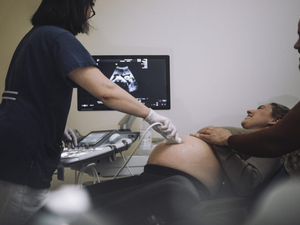
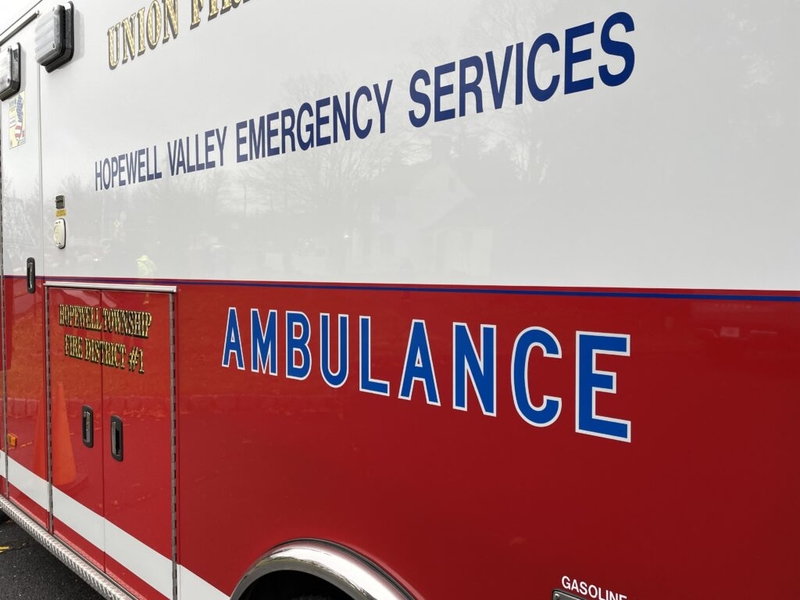
Lawmakers in New Jersey advance a measure that would require towns to ensure residents have access to basic life-support services, just as they do with police and firefighting. (Photo/New Jersey Monitor.)
Legislation to require all towns in New Jersey to provide basic emergency services — the same way they must now ensure residents have police, firefighting and sanitation services — is moving forward in the State Legislature.
The Assembly Public Safety and Preparedness Committee on Friday approved the bill which defines basic life support as care provided by a state-licensed entity that includes stabilizing a patient, transporting that person to a hospital, providing cardiopulmonary resuscitation or CPR, controlling bleeding, stabilizing fractures or wounds and other techniques.
“This bill simply makes the law match what common sense already tells every taxpayer and every parent who has ever dialed 911,” said Chief Kevin Beyrouty, a leader with the New Jersey Firefighters Mutual Benevolent Association, which represents firefighters, emergency medical technicians and emergency dispatchers and supports the proposal.
The legislation, first introduced by Assemblywoman Carol Murphy (D-Burlington) last fall, passed with three yes votes and two abstentions from the Republican members of the committee. Antwan McClellan (Cape May) and Paul Kanitra (Ocean) cited concerns raised by EMS volunteers that the legislation, as drafted, would make it hard for their teams to continue to serve their communities.
Murphy, a member of the committee, said she wants volunteers included in the scope of the legislation and said she was working with various stakeholders on amendments, but wanted to advance the bill Thursday so it can be done before lawmakers break for the summer. A companion version, with bipartisan sponsorship, is also undergoing changes in the Senate, she said, where it cleared one committee in March.
“It is the idea of being able to ensure that people have access to healthcare, access to medical care and EMS service as well. And the best way to do that is to make sure our volunteers are part of that,” Murphy said.
Murphy’s bill now moves to the Assembly Oversight, Reform and Federal Relations Committee.
Advocates for the measure said it is needed to strengthen an increasingly fragile emergency response system, a patchwork of volunteer and paid squads associated with fire departments, hospitals and private companies. There were around 400 volunteer rescue squads in the early 2000s, Beyrouty said, and less than half that many today.
To meet the bill requirements, municipalities could contract with a licensed company or non-profit entity, enter an agreement with a hospital of fire department, or create a mutual aid pact with another town or with other communities in a region.
The Public Safety Committee also approved a bill calling for the state Department of Health to create a statewide emergency medical services plan. The proposal calls for the state to assess the level of EMS services available in each community and create a coordinated statewide plan with goals for improvement, performance metrics and timelines for reporting data.
There was no debate and the measure passed with unanimous support. The bill, which was approved by the Health Infrastructure Committee in January, now heads to the Assembly Appropriations Committee.

Trenton, NJ