NJ hospitals gave $7.8 billion in free care, services, report says
Oct 29, 2026 | 6:32 am ET
Description
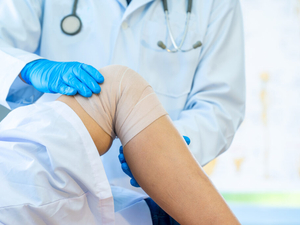
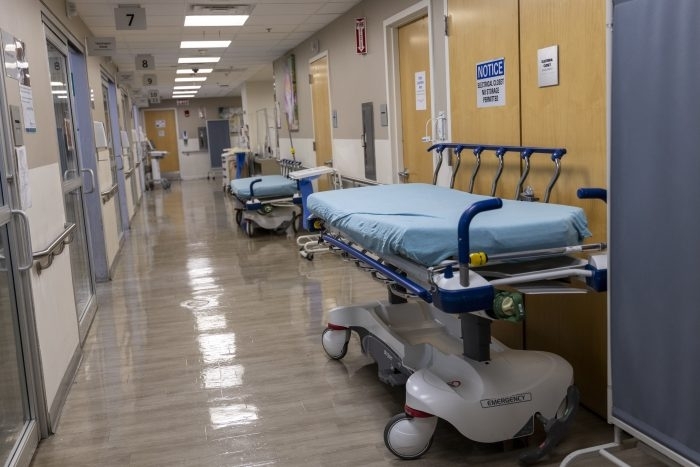
Hospitals in New Jersey provided $7.8 billion in community services in 2024, a new report shows, things like free care, donated time, and community screenings. (Photo by Anne-Marie Caruso/New Jersey Monitor.)
Hospitals in New Jersey provided $7.8 billion in free care, no-cost screenings, research, and other community benefits in 2024, according to the latest annual report released by their trade group.
The New Jersey Hospital Association’s community benefit report, which covered 59 nonprofit acute care facilities, shows these providers committed 21% of every dollar spent to programs like free mammograms, heart-disease screenings, mental health clinics, healthy food, and more. In all, they funded more than 90,000 community events and 42 million individual interactions with New Jerseyans.
Cathy Bennett, the group’s president and CEO, said the real measure of the benefit is the lives that were improved.
“This commitment is demonstrated every single day – in a free health screening that identifies a serious health condition before it becomes a crisis; in school-based programming that sparks a career pathway for students; in research that provides new hope for current and future patients; and free and discounted healthcare services for those in need,” she said.
New Jersey is home to some 70 hospitals that received more than $3.2 billion in public funding in the current state budget. According to the new report, the 59 facilities surveyed generated $37.4 billion in economic impact overall and employed some 172,000 residents. That’s up from $31.4 billion and 160,000 jobs in 2023, per their previous report.
In 2024, community benefit spending included more than $5 billion in unpaid care and nearly $1.5 billion in subsidized health services, or care provided at a loss to the hospital, the report notes. Nearly $602 million went to educating health professionals— for scholarships, internships, and training — and more than $100 million was spent on community health programs, like blood-pressure clinics. Another $472 million was allocated for supplies, equipment, or donated staff time, it says.
The work includes a program run by Hackensack Meridian Health to help people identify and lower their heart-disease risk. RWJ Barnabas runs a healthy communities program that uses community health workers to connect people to services. Atlantic Health hosts a free mental health program for veterans, University Hospital in Newark operates a mobile mammogram clinic, and Inspira works with local pharmacies to provide free meds to people who can’t afford their prescriptions.
“Each of these contributions is an investment in good health, with the potential to change the lives of the individual and strengthen health across New Jersey,” the report notes.
Trenton, NJ