New Mexico bacterial outbreak spreads in unhoused population
Nov 13, 2026 | 6:00 pm ET

Description
As of the end of October 2026, the New Mexico Department of Health reports 102 shigellosis cases centered in Bernalillo County, with nearly half among people experiencing homelessness. (Medical illustration of shigella bacteria by Stephanie Rossow and courtesy of the Centers for Disease Control and Prevention)
A strain of a highly infectious intestinal infection in Bernalillo County has spread among unhoused people, who make up close to half the cases, according to the latest data from the New Mexico Department of Health.
As of Oct. 28, the health department had identified 102 shigellosis cases since March 2025, 46 among people experiencing homelessness, Sarah Shrum Davis, NMDOH infectious disease epidemiology supervisor, told Source NM. Multiple outbreaks in recent years have contributed to rising shigellosis rates, she added.
Shigellosis, a highly infectious gastrointestinal infection, spreads through contact with the shigella bacteria, which is found in feces. It can spread through contact with surfaces; contaminated food or water; or person-to-person contact. Symptoms include diarrhea, abdominal pain, severe cramping and vomiting. Antibiotics are commonly prescribed to treat severe cases.
That current case number is likely an undercount, Shrum Davis said.
“Not everybody that has diarrhea ends up going to the hospital and seeking care,” she noted, adding that of those who do go for treatment, “not all of them have the proper testing to diagnose the disease.”
Albuquerque Healthcare for the Homeless, which operates a medical clinic in the city to serve homeless populations, partners with NMDOH to tackle the issue, Kate Morton, the clinic’s chief clinical officer, told Source NM.
“Our prevention efforts focus on promoting handwashing and hygiene, as well as early identification of symptoms,” she said. The clinic provides rapid access to antibiotic treatment and also assists local shelters with infection prevention efforts to “ensure that people experiencing homelessness have access to timely, compassionate health care without losing access to shelter or other essential services.”
It isn’t the first time the area has experienced a shigellosis outbreak. Between 2021 and 2025, the NMDOH reported more than 300 cases, also centered in Bernalillo County, including more than half in people experiencing homelessness. One person died from the infection.
The particular strain of shigella in the previous outbreak was resistant to antibiotic treatment, but Shrum Davis said NMDOH has “not seen any indication of antibiotic resistance” in the current strain. The department has “some evidence” that the current strain may persist in the environment longer, but won’t know definitively until further investigation is completed, Shrum Davis said, adding that getting in front of shigellosis cases is difficult.
“Shigella can be really tough to beat” from a public health standpoint “because there’s not a vaccine, so you can’t vaccinate your way out of it,” she said.
Shrum Davis urged people to wash their hands thoroughly and seek care from a healthcare provider if they show symptoms of shigellosis: “We really want people to make sure they’re receiving appropriate care so they can recover,” she said.
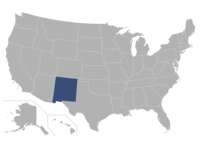
Santa Fe, NM