Montana seeing increased hospitalizations, deaths from influenza
Nov 13, 2026 | 2:30 pm ET
Description
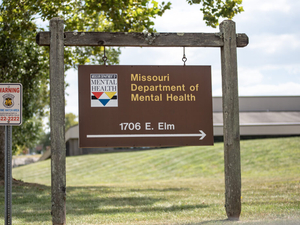
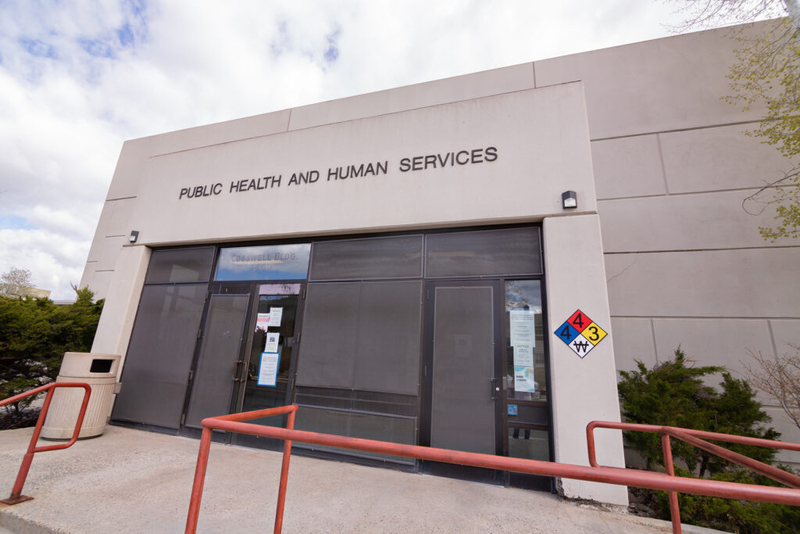
Montana Department of Public Health and Human Services (Photo by Eric Seidle for the Daily Montanan).
Influenza has killed three Montanans this year and resulted in 96 hospitalizations, a significant increase over last year, according to state health officials.
Officials with the Department of Health and Human Services announced on Friday that last year, just four Montanans had been hospitalized from influenza and the state had recorded no deaths.
All three flu-related deaths occurred this month and health officials are urging Montanans to take precautions to protect themselves and their families.
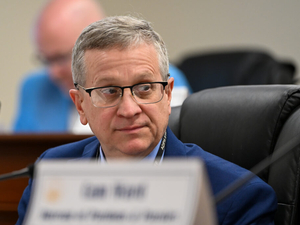
“The same precautions that protect against flu also protect against COVID-19, pneumonia, and RSV,” said DPHHS Director Douglas Harrington in a statement. “Prioritize your immunizations, wash your hands, clean frequently touched surfaces, stay home when sick, and seek testing and treatment early.”
Between October 2025 and May 2026, Montana reported more than 15,400 flu cases, 760 hospitalizations, and 32 deaths. Of those hospitalized, 75% had not received a flu vaccine or flu vaccine status was unknown. COVID-19 accounted for more than 5,300 cases, more than 350 hospitalizations, and 28 deaths.
Montanans can track respiratory illnesses cases in the state through the Respiratory Virus Illness Dashboard, maintained by DPHHS, which provides weekly data updates on flu, COVID-19, and RSV (Respiratory Syncytial Virus) activity statewide during respiratory illness season.
The department also recommends speaking with a doctor about getting vaccinated.
Effective vaccines are widely available through local health departments, pharmacies, and providers.
- Influenza: Recommended every season for everyone 6 months and older. One dose protects through the entire season (October to May).
- COVID-19 (2026-27): Recommended for all adults 18 and older and for children 6 months to 17 years with weakened immune systems. Other children may be vaccinated based on shared decision-making between parents and their provider.
- Pneumococcal: Protects against a deadly form of bacterial pneumonia. Recommended for children under 5, adults 50 and older, and anyone at increased risk.
- RSV: Adults 50 and older may be vaccinated after talking with their provider. Pregnant women at 32 to 36 weeks during RSV season may be vaccinated to protect their infants.
- RSV antibodies: During RSV season, recommended for infants under 8 months whose mothers were not vaccinated during pregnancy, and for children 8 to 19 months with certain health conditions.
Symptoms of COVID-19, flu, RSV, and other respiratory illnesses are similar and include fever, cough, sore throat, headache, body aches, and fatigue. Anyone with symptoms or a positive test should stay home and limit contact with others while sick.
Health officials also recommend washing hands with soap and water often, covering coughs and sneezes, testing for disease before being around others, especially those at risk of severe illness, and wearing a mask in close settings if you cannot stay home.
Helena, MT