New drug-resistant fungal disease increases among vulnerable patients
Aug 10, 2026 | 4:08 pm ET
Description
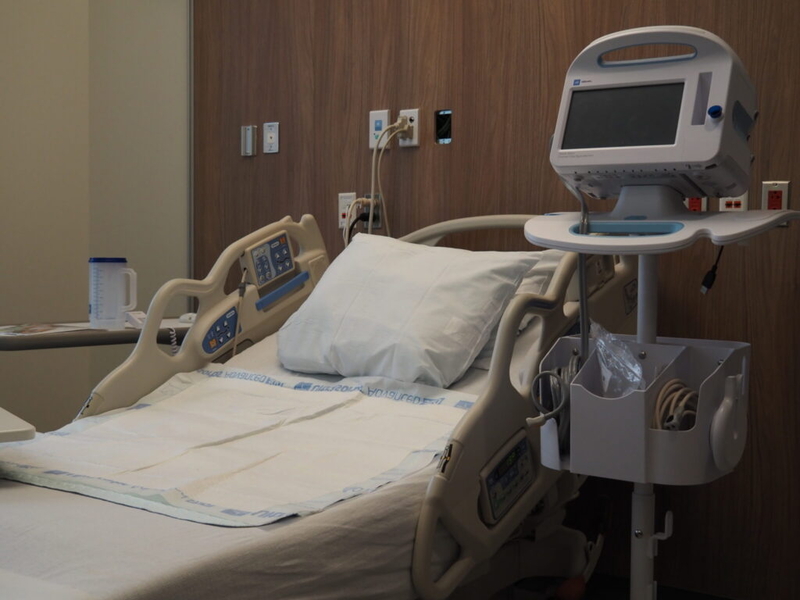
More than half the states have reported cases this year of people sick with candida auris, a drug-resistant fungus. (Photo by Whitney Downard/Indiana Capital Chronicle)
Twenty-eight states this year have reported over 3,500 cases of patients sick with the drug-resistant yeast candida auris, which can cause severe illness and is often reported in healthcare facilities.
As of Aug. 1, 3,544 clinical cases of candida auris, or C. auris, have been reported to the U.S. Centers for Disease Control and Prevention, compared with 4,262 the same time last year, according to the latest round of numbers from the agency’s National Notifiable Diseases Surveillance System.
Cases had risen from 2022 to 2024, and seen a slight decline since then. But experts are still concerned, as Candida auris can be difficult to treat because it’s resistant to multiple antifungal drugs.
The first U.S. case was first reported in 2016. Between 2019 and 2021, 17 states identified their first-ever candida auris case, according to federal reports, with experts calling the yeast an emerging, urgent threat for hospitalized patients. It was first described in Japan in 2009.
People without risk factors generally don’t get infected, the CDC says. Risk factors include severe underlying medical conditions and people undergoing complex medical care. Candida auris symptoms can vary depending on the location of the infection — such as a superficial skin infection or widespread bloodstream infection — and its severity. While there isn’t a specific set of symptoms, people can experience fever or chills.
Tuberculosis cases have been rising as public health agencies struggle to keep up
The infection spreads more easily in healthcare or long-term care facilities among people who are already very sick with complex health conditions. Patients with breathing or feeding tubes or catheters have a higher risk.
The CDC identifies detections via two separate reports: clinical detections in people who are ill with candida auris, and screenings — public health investigation tests that detect fungal colonizations in patients who haven’t developed illness. As of Aug. 1, the nation has seen 3,325 screening detections, compared with 3,724 last year, in addition to the 3,500 clinical cases. People who have screened for colonizations can spread the fungus to other people and surfaces.
California reported the most clinical cases of any state this year, at 887.
States across the South have seen over 1,400 clinical cases, with Texas reporting the highest number in that region at 437 diagnoses, followed by Tennessee (293) and Georgia (193).
In the Northeast, only New Jersey and Pennsylvania reported cases — 55 and 131, respectively.
Mountain states have seen 200 clinical cases — with the majority in Arizona, which has reported 171 clinical cases.
Illinois, Indiana, Michigan, Ohio and Wisconsin have collectively reported 751 clinical cases, according to the CDC.
Stateline reporter Nada Hassanein can be reached at [email protected].