NC needs an e-bike safety law, NC task force members say
Nov 18, 2026 | 5:46 pm ET
Description
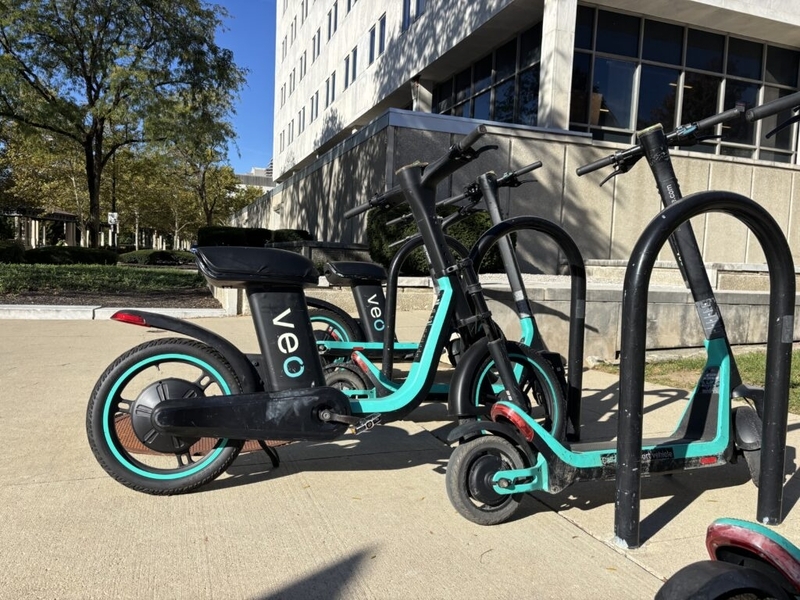
Electric bikes and electric scooters parked on a street in Columbus, Ohio. Lawmakers in Ohio and many other states have enacted or are considering tougher regulations for e-bikes and e-scooters as their popularity – and safety concerns – grow. (Photo by Megan Henry/Ohio Capital Journal).
A push for a stronger safety law for e-bikes may be coming in response to the rapid increase in serious accidents in North Carolina.
A committee of the N.C. Child Fatality Task Force on Wednesday voted to push ahead on recommendations for age restrictions, helmet requirements and other safety measures aimed at expanding on a new law set to take effect next month.
The rate of e-bike injuries in people 17 and younger increased 890% between 2024 and 2026, according to research shared with the committee on Wednesday. People 17 and younger represented 36% of e-bike-related visits to emergency rooms between 2022 and 2026, although they are only 21% of the population, according to preliminary data. Some e-bike accident victims had broken legs, internal injuries, or skull fractures.
On Dec. 1, a new state law takes effect that divides e-bikes into three classes, and requires riders or passengers 18 and under to wear helmets when on the class 3 bikes, which are the most powerful. Those can reach a speed of 28 miles per hour when the rider is pedaling.
Cities and counties can set speed limits, restrict use of some e-bike classes, and regulate riding on sidewalks or walking paths. But counties cannot set rules for state-maintained roads, said Kella Hatcher, executive director of the Child Fatality Task Force. “What we end up with is a gap,” she said.
The law expands the definition of e-bikes and essentially loosens existing requirements on the fastest bikes, she explained.
E-bikes, delivery robots to get new rules in fast-moving NC transportation bill
“What used to be called a moped in North Carolina is now called a class 3 e-bike,” Hatcher said.
Mopeds must be registered and owners must have liability insurance. Riders must be at least 16 years old.
But the law for class 3 e-bikes does not have an age limit for riders, or insurance and registration requirements.
“So 12-year-olds, as of December 1, can ride what is essentially a moped,” Hatcher said.
The committee voted to recommend to the task force a proposed law with age requirements, equipment labeling requirements, a prohibition on alterations that make the bikes go faster, a requirement for upgraded helmets, and some form of parental accountability.
The full task force must approve the recommendation to make an e-bike safety law a goal it will pursue in the General Assembly. A legislator would have to agree to sponsor a bill with the suggested provisions.
Raleigh, NC