NC budget sets $22M aside for new PFAS study, but moves to keep its results confidential
Jul 01, 2026 | 5:26 pm ET
Description
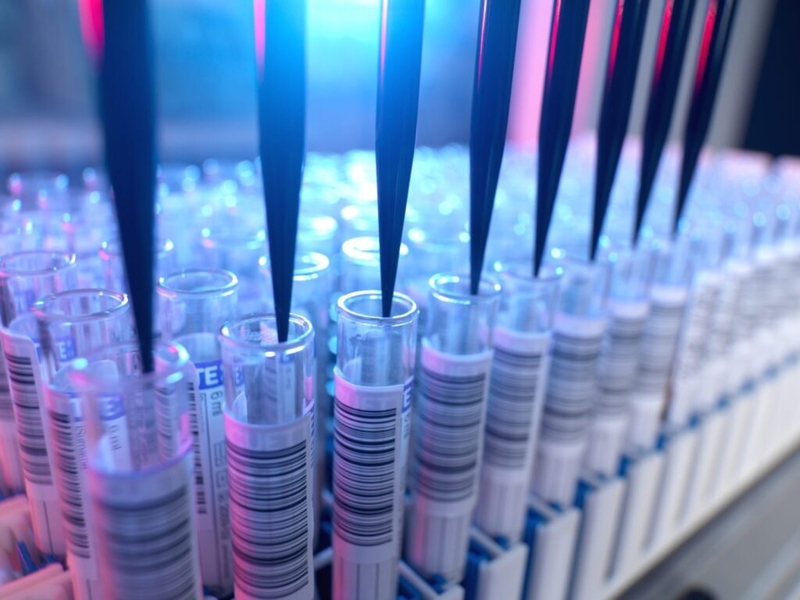
PFAS exposure can lead to a myriad of serious health conditions. (Photo by TEK IMAGE/SCIENCE PHOTO LIBRARY via Getty Images)
North Carolina lawmakers are proposing another study of “forever chemicals” in the new state budget. However, the project would sidestep a state regulatory agency in favor of an agency under legislative control, and critics say it’s a stalling tactic.
Released Tuesday, the budget allocates a total of $22 million to the North Carolina Collaboratory at UNC-Chapel Hill for research related to PFAS, or per- and polyfluoroalkyl substances known as “forever chemicals.” They don’t break down easily and have been linked to health risks like cancer.
The budget would also classify the staff of the Collaboratory as legislative employees, exempt from public records requests. Established by the General Assembly in 2016, the Collaboratory relies on direct funding from the legislature to operate.
In the past, such an analysis would have been conducted by the N.C. Department of Environmental Quality, and the results would be public record. But this new study would be confidential unless legislative leaders choose to release its results to the public.
Collaboratory spokesperson Blair Rhoades told NC Newsline that the “legislative employee” provision in the budget also applies to employees at the UNC School of Government who provide training and support to the General Assembly.
“The NC Collaboratory serves a similar role in supporting the legislature with research and technical expertise,” Rhoades said in a message, “so the provision treats the Collaboratory similarly.”
Southern Environmental Law Center senior attorney Jean Zhuang said the designation would help keep the Collaboratory’s work out of the public eye.
“This is a deliberate delay and concealment strategy that absolutely prioritizes polluters of our public health,” she said.
Since the state already has plenty of health data on the effect of PFAS, Zhuang said the new study would be duplicative and “unnecessary.”
“It’s a way to look like they are doing something on PFAS, while not actually holding the industrial polluters accountable,” she said.
Zhuang said the funds should have gone to the Department of Environmental Quality for staff or equipment to remediate PFAS pollution in communities that are already suffering from contamination.
Last week, Fayetteville retired teacher Carroll Olinger told lawmakers she’s on dialysis due to water pollution through PFAS.
“It’s a serious thing. It’s in our drinking water,” Olinger said. “My grandchildren’s future is the real cost. Yours too.”
In June, SELC filed a lawsuit against Robeson County to stop a landfill from contaminating drinking water with PFAS.
Lawmakers are also reining in DEQ’s ability to issue National Pollutant Discharge Elimination System permits, a license required under the Clean Water Act for facilities that discharge pollutants directly into U.S. waters.
Zhuang called the NPDES permit the state’s “most powerful tool” for controlling PFAS pollution from industries throughout the state, as well as industrial pollution flowing through wastewater treatment plants.
“It’s clear that our General Assembly’s goal here is to slow the process and to delay action to stop PFAS in drinking water sources, and hide critical information from the public, and they’re trying to tie the agency’s hands and ability to act on this pollution,” she said.
EPA ‘strategy’ proposes to strike enforceable PFAS standards
During the House budget debate Wednesday, Rep. Pricey Harrison (D-Guilford) thanked Republican lawmakers for funding the PFAS study, but chided them for their lack of action.
“We haven’t done anything to pass any legislation that limits our exposure to these known carcinogens and toxicants,” Harrison said.
$15 million of the $22 million appropriation would pay for a Collaboratory study of how PFAS affects firefighters. Their protective gear and firefighting foam can contain the toxic chemicals.
The provision directs the Collaboratory to research PFAS contamination in drinking water wells at the homes of firefighters and locations formerly used as fire stations. It also earmarks some of the money for a pilot program by the State Fire Marshal’s office and North Carolina State University to test deep cleaning of firefighters’ protective gear to lessen PFAS exposure.
Raleigh, NC