More than 25K SC teens committed crimes last year. Legislators are looking for solutions.
Nov 05, 2025 | 5:39 pm ET
Description
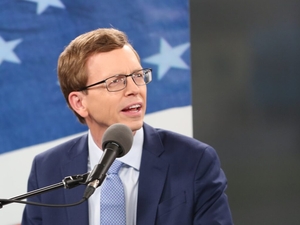
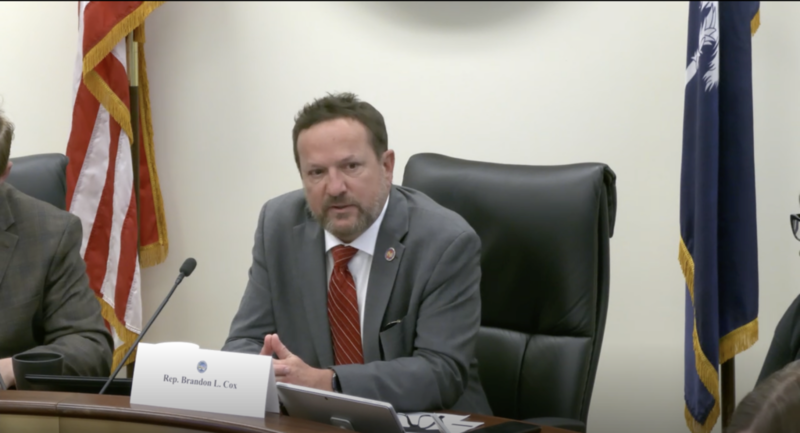
Rep. Brandon Cox, R-Goose Creek, speaks to the Juvenile Crime Assessment and Strategic Reform Ad Hoc Committee during a meeting in Columbia, S.C., on Wednesday, Nov. 5, 2025. (Screenshot of SCETV legislative livestream)
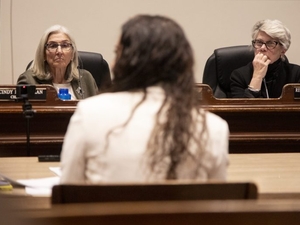
COLUMBIA — After a recent spate of shootings involving teenagers, a panel of South Carolina legislators is looking at ways to reduce the amount of gun violence involving children and teens.
Violence among children and problems in the system meant to help them is not a new issue. For years, the Department of Juvenile Justice has grappled with overcrowding, understaffing and the resulting violence among children at the state’s detention centers.
The first meeting of the newly formed six-member House committee examining juvenile justice issues came days after a shooting in Blythewood at a Halloween night bonfire injured three teenagers. It was the latest in a string of teenage gatherings that ended in gunfire over the past several years.
“They were simply being teenagers, and gunshots erupted,” said Rep. Kambrell Garvin, a Columbia Democrat whose district includes the area of the weekend shooting.
Rep. Brandon Cox, R-Goose Creek, began looking at juvenile crime issues in August at House Speaker Murrell Smith’s request, he said. No specific incident served as the starting point, but a high rate of crime involving teenagers created cause for concern, Cox said.
In total, nearly 25,500 people under the age of 18 were charged with crimes last year, according to data from the State Law Enforcement Division the committee presented Wednesday.
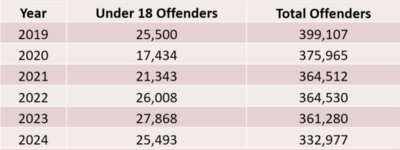
More than 1,600 of those were teens charged with weapons law violations, such as illegally owning or carrying a gun. Another 57 teens faced murder charges last year, according to committee data.
State law makes it illegal for a teenager younger than 18 to buy or carry a gun, and there are plenty of laws about juvenile delinquency and rehabilitation. That is clearly not enough to stop teenage crime, Cox said.
Over the next two weeks, the committee intends to come up with legislation to try and get guns out of teenagers’ hands as quickly as possible.
That could mean filing a new bill based on input the committee receives from agency heads and members of the public. Or, it could mean revisiting some legislation in the works for years, such as bills meant to address overcrowding at juvenile jails, Cox said.
“It’s a heavy task, but it’s going to be worthwhile for sure,” Cox said.
Once it has legislation for the coming year drafted, the committee will continue to meet and attempt to come up with solutions to more complex issues that lead teens down violent paths, Cox said.
SC juvenile justice changeups add capacity to reduce overcrowding, violence
The ultimate goal is to create a “pipeline from birth to 18 that keeps these children that we want to love on from entering that system,” Cox said, without giving any specifics.
Among the questions legislators want to answer are how children as young as 10 are getting access to guns and what role teachers might play in identifying at-risk students, legislators said. Also of common concern was how to address backlogs in the Family Court system, said Rep. Heath Sessions.
“This issue seems to have a lot of those tentacles,” the Rock Hill Republican said.
Earlier this year, the Legislature funded three additional Family Court judges, bringing the total to 66 statewide, at the request of state Supreme Court Chief Justice John Kittredge.
Kittredge told House budget writers in February that the need was much greater for a court system in “crisis.” But to keep costs down, he said, he focused this year’s request on three judges in the fastest-growing areas.
Columbia