Missouri’s literacy gains inspired me to postpone retirement
Sep 18, 2026 | 6:40 am ET
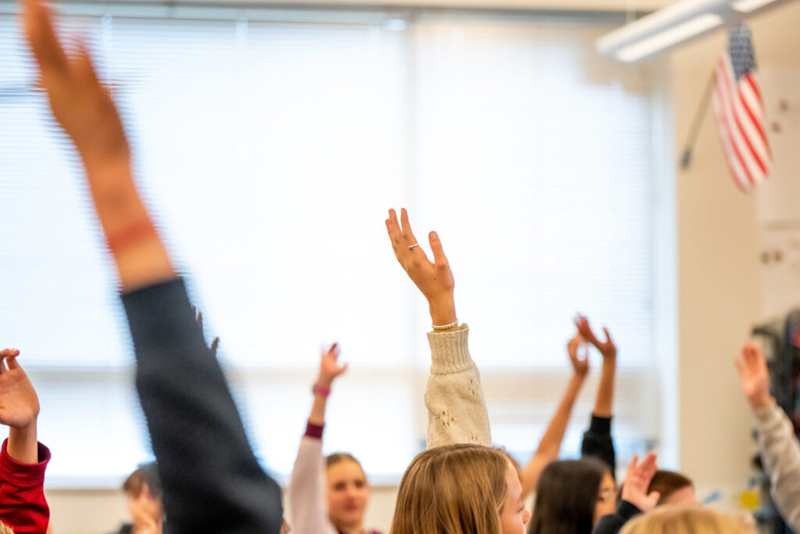
Description
(Spenser Heaps for Utah News Dispatch)
I’ve worked in education for 30 years, which means I can now retire and receive my full benefits.
But I’m not writing this from my favorite spot on my patio with my dogs beside me and my feet up; instead, I’m writing from my office as an elementary school principal in Phelps County, where I’ve returned for my 31st year in education.
I delayed retirement because my school is on a roll. I know it sounds crazy. So many headlines are about teacher shortages and learning recessions and other problems plaguing public schools. But my small school in rural Newburg is achieving hard-earned progress through a program that’s expanding across Missouri, and I’m not ready to go.
Where does our momentum come from? The stars aligned. That’s what it feels like. Over the last few years, Newburg recruited another educator with more than 30 years of experience to serve as superintendent. She installed me as principal of the elementary school. My school was chosen to participate in the Rural Schools Early Literacy Collaborative, a philanthropy-backed initiative to increase reading skills in Phelps County.
Being a part of the Early Literacy Collaborative means our grade K-1 teachers receive intensive support from national experts. These experts are former teachers who have taught the same grades and implemented the same curriculum they’re coaching my teachers on. And they’ve flown to Missouri once a month for the last two years to visit our classrooms, ask about our students, and help us improve our instruction.
The difference has been transformative. After the first year of the Collaborative, 100% of our kindergarten and first-grade students demonstrated growth on reading tests, and on average those students made gains that more than doubled our typical annual growth. The official data hasn’t been released yet for the second year, but the number of students who need improvement and are on Reading Success Plans has gone way down – they’re meeting their goals and moving on. Now we have students who are scoring Advanced Proficient. That just wasn’t happening before.
Like a lot of schools across Missouri and across the country, we struggled with building our students’ foundational reading, writing, and math skills. As a rural school serving low-income students, it’s harder to recruit and retain teachers. That means we have more teachers with less experience. Some were still working their way through college while they were trying to learn how to manage a classroom. Others didn’t have research-backed curriculum for teaching kids how to read. In other words, our teachers weren’t set up to succeed, and — not surprisingly — our students weren’t having lots of success.
Being a part of the Early Literacy Collaborative has made all the difference. Over the last two years, we’ve purchased and implemented materials and lesson plans that build on each other and support both teachers and students. Our teachers have received consistent, actionable feedback from fellow educators who have experience with their grade-level dynamics and instructional materials. We’ve received training, both as an individual school and as a part of the Collaborative, on how to set up systems to make this work sustainable.
I believe we’re almost at a tipping point, and that’s why I’m still here. This year we’re prioritizing data – helping our teachers learn how to keep track of each students’ progress with different skills and adjust their instruction accordingly. This is really hard work, but after seeing what we’ve been able to accomplish over the last few years, I know we can handle it.
I’m not the only one who knows we have a good thing going. The state sees something special happening in Phelps County, and aspects of the support we’ve received through the Early Literacy Collaborative are now being put into practice across the state. I’m thrilled that more schools have access to this same type of coaching.
So yes, I could be sleeping in on weekday mornings and not stressing about the wellbeing of dozens of educators and hundreds of students. But I’ve worked in education long enough to know that these moments when everything falls into place – with experienced administrators overseeing prepared teachers using effective materials and receiving constructive feedback – are few and far between. They’re moments I want to be here to experience.
And when I do retire, it’s going to be a good feeling. What a way to go out.
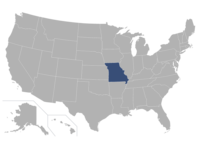
Jefferson City, MO