Missouri wants AI data centers. Communities want answers
Sep 01, 2026 | 6:45 am ET

Description
Interior of a modern data center (Getty Images).
Missouri has good reasons to want a share of the artificial intelligence boom. Billions of dollars in proposed data center investments could bring construction jobs, new tax revenue and economic growth. They could also help position Missouri for an economy increasingly shaped by AI and cloud computing.
But these projects come with costs and unanswered questions. Across Missouri, communities are raising concerns about electricity use, water, infrastructure, noise and local control. There are also broader questions about data privacy, cybersecurity, who will operate these facilities, and how their enormous computing capacity will ultimately be used.
They are all part of a basic question Missouri needs to answer: Who benefits from these projects, who pays for them, and what protections should communities expect in return?
Communities are already responding differently. St. Charles has effectively banned large-scale data centers, while St. Charles County adopted a six-month ban on new developments to give officials time to study their potential impacts. St. Louis is taking a different approach: allowing data centers, but setting conditions intended to protect the community.
St. Louis Mayor Cara Spencer summed it up by saying the city wants to be “open for business, but business on our terms.” On Aug. 28, the Board of Aldermen advanced a new regulatory framework addressing where and how data centers can operate, including energy use, noise, light and impacts on surrounding communities. Yet the conflict is far from settled. Opponents have filed a lawsuit seeking to halt the proposed $3 billion data center near the Armory.
These different responses point to three choices for Missouri: ban large data centers, pause their development, or allow them under stronger rules intended to protect communities. But frameworks and promises alone will not settle the debate. What matters is whether developers are held to their commitments and whether communities are actually protected from the costs and risks these projects create.
Missouri has several advantages in the race for data center investment, including available land, relatively affordable electricity and a central location. Large projects can bring billions of dollars in investment and additional tax revenue. But a multibillion-dollar investment does not automatically mean a multibillion-dollar benefit to the community.
Consider the scale of some recent projects. Meta’s Kansas City data center represents more than $1 billion in investment and employed about 1,500 skilled-trade workers at peak construction, but supports just over 100 permanent operational jobs. A recently announced $1.4 billion data center in Liberty is expected to create at least 30 permanent jobs.
At the same time, the infrastructure demands can be enormous. Data centers require large amounts of electricity, and some also use significant amounts of water for cooling. For example, Google’s planned $15 billion investment in its New Florence, Missouri, data center comes with enormous energy needs. Google says it has committed to supporting more than 1 gigawatt of new power generation in Missouri, including more than 500 megawatts of additional capacity through its agreement with Ameren.
These numbers alone do not tell us whether a particular data center will ultimately be a good or bad deal for Missouri. But they help explain why communities are looking beyond the headline investment figures and asking harder questions about long-term benefits, infrastructure demands and who ultimately bears the costs.
As public opposition has grown and communities have pushed back against proposed projects, state and local officials are facing increasing pressure to provide stronger protections.
Against this backdrop, the bipartisan Missouri House Future Caucus released the AI Infrastructure Community Evaluation Framework (AICEF) in August, a guide designed to help cities and counties evaluate proposed data center projects.
The framework reflects a shift in the conversation, from simply attracting investment to asking harder questions about who benefits, who pays and who bears the risk. Whether it leads to a real shift in practice will depend on what state and local officials actually require from developers.
Money and resources are only part of the issue. Communities are also raising questions about who is behind these major projects and how they will ultimately be used.
St. Charles provides a warning. A proposed hyperscale data center generated strong opposition after city staff signed nondisclosure agreements and the identity of the end user was not publicly disclosed. Documents later obtained by St. Louis Public Radio connected the project to Google. The secrecy surrounding the proposal helped fuel community opposition.
Companies may have legitimate reasons to protect confidential business information. But when projects require enormous amounts of electricity and water, affect surrounding communities, or receive public incentives, questions about who is behind them are likely to become part of the public debate.
AICEF requires developers to disclose ownership, affiliates, and key project parties. But the questions being raised go beyond ownership. As these facilities become more powerful and more important to the AI economy, concerns are also emerging about cybersecurity, data privacy, who will operate them, and how their computing capacity will ultimately be used.
The experience in St. Charles suggests that when communities feel they do not have enough information about what they are being asked to host, distrust can grow quickly.
Missouri clearly wants a share of the AI investment boom. But growing opposition across the state shows that being open for business is becoming more complicated than simply attracting the next big project.
New frameworks and proposed safeguards may change the conversation, but the real test will come when the next major data center project is proposed: how much information is made public, who bears the costs and risks, what benefits are actually delivered, and whether the protections now being discussed are actually enforced.
The debate is no longer simply about “How do we bring these projects to Missouri?” Increasingly, communities are asking a different question: “Will these projects actually be good for Missouri?”
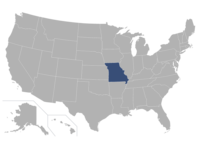
Jefferson City, MO