Maui Mayor Election: Sugimura Tops Bissen In Campaign Fundraising
Jul 14, 2026 | 6:01 am ET
Description
Photo courtesy of Honolulu Civil Beat
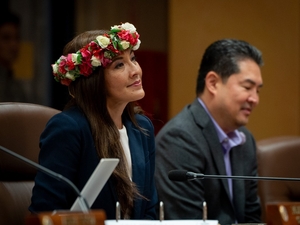
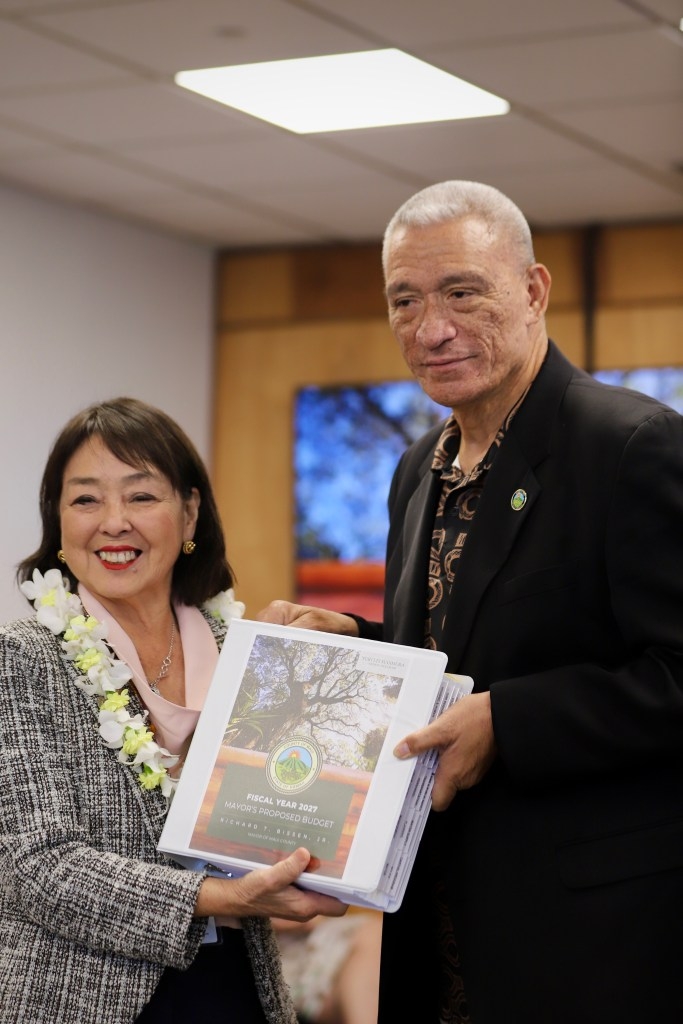
Maui County Council member Yuki Lei Sugimura is raising and spending thousands of dollars more than Mayor Richard Bissen in her bid to unseat him this election, state campaign finance records show.
She had a $44,000 advantage in cash on hand at the end of June after spending nearly $284,000 during the first six months of this year and almost $308,000 so far this election. That far outpaces the roughly $187,000 Bissen spent during the first half of this year and $238,000 overall.
It's often hard for a candidate to raise enough money to present a serious challenge to an incumbent, particularly in the executive branch. Bissen was a relatively rare exception four years ago when he handily defeated then-Mayor Mike Victorino. Now, Sugimura is trying to do the same.
Bissen has brought in about $293,000, compared to the $335,000 raised by Sugimura, according to the candidates’ most recent campaign finance reports filed with the state Campaign Spending Commission. The contributions raised by Sugimura, who also accepted $20,000 from her husband, surpass those raised by every other candidate in a state or county election this year except Gov. Josh Green.
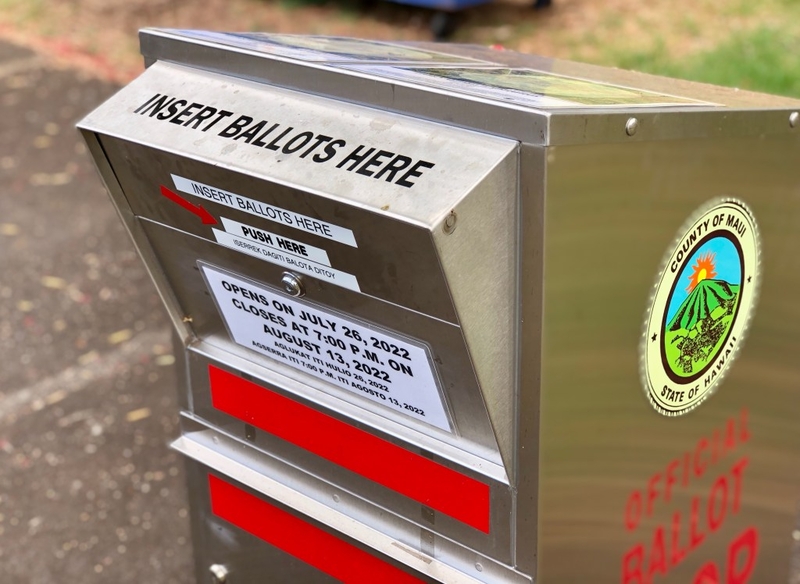
With less than a month remaining until the Aug. 8 primary election — mail-in ballots go out next week — Sugimura has $114,240 cash on hand compared to Bissen's $69,654. None of the other eight candidates are close in terms of fundraising, though P. Denise La Costa has loaned herself a significant amount of money to get her campaign message out. The top two candidates advance to the Nov. 3 general election.
At least some of Sugimura’s support is likely tied to her longstanding criticism of Bill 9, the legislation that lays out Bissen’s plan to create more long-term housing by phasing out thousands of the island’s short-term vacation rentals. She received notable contributions from individuals and organizations with financial interest in the local real estate and tourism industries, including Maui-based and out-of-state real estate companies, luxury property developers, the Hawaii Realtors PAC and a group funded by the vacation rental platform Airbnb.
Bissen garnered support from local labor groups like ILWU Local 142 and the HGEA Political Contribution Account, as well as from members of his administration, prominent figures associated with luxury residential developments in South Maui, and people associated with post-wildfire recovery efforts on the island.
Seven of the other candidates indicated they had both raised and spent less than $1,000 throughout their campaigns and were therefore not required to file campaign finance reports due last week with the Campaign Spending Commission.
La Costa, a Launiupoko resident and real estate broker who has attracted some attention due to her aggressive social media campaigning and online advertisements, filed her campaign finance report on Monday. She raised $103,115, including $76,615 in loans that she made to herself, and she spent just under $93,400, according to campaign finance records.
Bissen and Sugimura are considered by political analysts to be the most likely candidates to proceed to the general election this fall, a race that is shaping up to be among the most closely watched in the state. The results of the Nov. 3 election are likely to be regarded as a referendum on the Bissen administration’s handling of the deadly 2023 Maui wildfires, as well as an indicator of how willing the public — in Maui County and across the state — is to embrace progressive housing reform.
Since Bissen first introduced Bill 9 in May 2024 and as part of an effort to free up housing for those displaced by the 2023 disaster, the legislation has divided the community. Supporters — including many wildfire survivors and long-time residents — said Bill 9 was an important step toward addressing the island’s longstanding housing crisis and offered an opportunity to diversify the tourism-dependent local economy. Opponents — including many vacation rental owners and representatives of businesses that rely on tourism — argued that it would result in widespread financial ruin and infringe on individuals’ property rights.
Sugimura, who has held the council’s Upcountry seat since 2016, has consistently been one of the council’s most vocal critics of Bill 9. When council members ultimately passed the legislation this past December, hers was one of three dissenting votes. The council has since carved out an exception, with Bissen's support, that creates a path for more than half of the roughly 7,000 units affected to continue operating as vacation rentals.
Top Donors
Bissen and Sugimura received numerous contributions from prominent local business owners, developers, contractors, labor unions and groups associated with other politicians. Some donors contributed to both campaigns, including: Friends of Esther Kiaʻāina, a Honolulu City Council member; IBEW 1186 PAC, which represents electrical workers; Stephen Goodfellow, chairman of the construction company Goodfellow Bros; and Hawaii Medical Service Association CEO Mark Mugiishi.
Bissen received multiple donations between $2,000 and $4,000, including from: Operating Engineers 3 District 17, which represents construction workers; Ledcor Development, which developed the luxury resort community Wailea Lands; Bert Kobayashi Jr., the CEO of the real estate investment firm Blacksand Capital; and ATC Makena Management Services Corporation, the developer behind Makena Golf & Beach Club. He also received $4,000 donations — the max allowed — from four employees of Nan Inc., the construction company that Maui County officials agreed to pay $4 million in exchange for land to expand the Central Maui Landfill.
Some of the donors who contributed between $2,000 and $4,000 to Sugimura’s campaign include: the Committee to Expand the Middle Class Candidate Committee, a California-based organization that is funded by Airbnb; Turo Inc., the online car rental marketplace; Robert Rakusin, a partner at the industrial real estate development company Rak Equities; Nelson Okumura, president of Valley Isle Produce; David Ward, president of development company Frampton and Ward Land Company; Hawaii Carpenters PAC; Masons Local 630 PAC; Hawaii Laborers PAC; the Plumbers & Pipefitters PAC Fund; and Matson Navigation Company. She also received donations from campaigns associated with other Hawai’i politicians such as state Sen. Troy Hashimoto, Rep. Mark Hashem, Rep. Kyle Yamashita, Rep. Gregg Takayama and former state Rep. Richard Onishi.
Honolulu, HI