Maryland can’t wish its way out of an energy crisis
Jul 24, 2026 | 5:53 am ET
Description
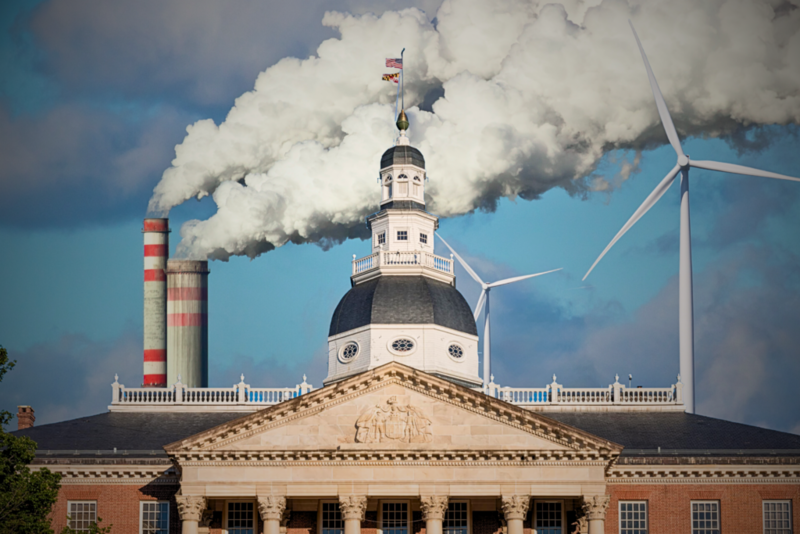
Maryland policymakers need to adopt a true all-of-the-above energy strategy, writes Bill Valentine, that embraces traditional generators as well as new renewable sources of energy. (Photo illustration by Danielle E. Gaines/Stock.adobe.com images from esbobeldijk, martin33, and vasanth)
As Maryland families face the record summer heat and another month of soaring summer electricity bills, they are paying the price for years of decisions that put politics ahead of reliable energy.
Maryland is facing an energy crisis of its own making, and it’s time for our leaders in Annapolis to stop pretending otherwise.
For years, policymakers have made decisions that reduced Maryland’s ability to generate its own electricity while increasing our dependence on power imported from other states. Today, Maryland imports nearly half of the electricity it consumes. The result is predictable: rising costs, growing reliability concerns and increasing vulnerability to decisions made beyond our borders.
Families and small businesses are already feeling the consequences. Electric bills continue to climb. Employers looking to invest and grow are questioning whether Maryland can provide the reliable and affordable energy they need.
Meanwhile, demand for electricity is only increasing as our economy becomes more dependent on technology, electrification and data infrastructure.
Having spent years in public service and working closely with communities across Western Maryland, I find it increasingly frustrating that so many of our state’s leaders continue to approach energy policy with wishful thinking rather than practical solutions. We cannot power a modern economy with aspirations alone. Maryland needs electricity — not slogans.
The conversation should begin with a simple acknowledgment: Reliable power generation is not the enemy. It is the foundation of economic growth, public safety and affordability. So, we should also acknowledge that trusted and reliable power generation can come from trusted and reliable partners already operating in our state.
Maintaining and modernizing Maryland’s grid requires long-term investment with calculated precision, not best guesses, or hopeful assumptions. Experience should not be dismissed at the very moment Maryland needs more grid investment, not less.
Maryland needs a true all-of-the-above energy strategy that welcomes every responsible source of generation capable of strengthening reliability and lowering costs, and every partner. That includes solar, wind, nuclear, natural gas, battery storage, emerging technologies and utility-owned generation. If a project can safely and responsibly produce dependable electricity for Maryland homes and businesses, state leaders should be asking how to make it happen — not how to stop it.
Achieving that goal will require utilities to play a meaningful role alongside independent power producers, renewable developers and other energy providers. Utilities already operate and maintain the infrastructure that Marylanders rely on every day. They bring decades of operational expertise, long-term planning capabilities and accountability that can help address our growing energy needs.
Unfortunately, too many policymakers have spent years treating utilities as political targets rather than recognizing them as essential partners in maintaining reliability and expanding our energy supply. At a time when Maryland faces some of the highest electricity price pressures in the country and growing concerns about future reliability, sidelining experienced energy providers is not just shortsighted, it is irresponsible.
If we are serious about lowering costs and improving reliability, every responsible partner willing to invest in Maryland’s energy future should have a seat at the table. Maryland’s energy challenges are too serious to allow ideology to stand in the way of practical solutions.
The people paying the bills understand this. It’s time for Annapolis to catch up.
Annapolis, MD