Maine saw a sharp drop in overdose deaths, but Gov. Mills warns of new threats
Jul 11, 2025 | 5:00 am ET
Description
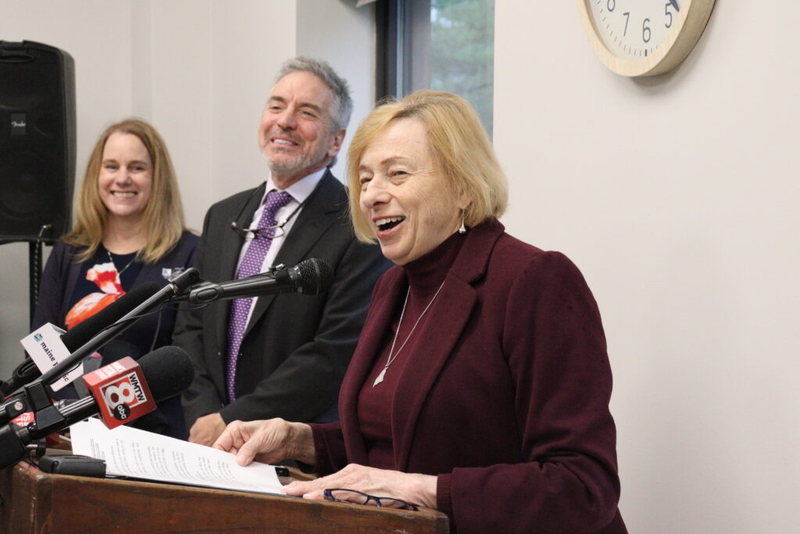
Gov. Janet Mills (right) joins Milestone Recovery Executive Director Thomas Doherty (center) at the celebration of Milestone’s expanded substance use disorder treatment program on May 2, 2024. (Emma Davis/ Maine Morning Star)
Gov. Janet Mills delivered an optimistic yet cautious update on Maine’s efforts to combat the opioid epidemic at the state’s seventh Opioid Response Summit Thursday, highlighting the state’s largest decrease in drug overdose deaths in seven years.
Fatal overdoses dropped by more than 21% from January to June this year, and the total number of non-fatal overdoses has also decreased by more than 18%, the governor said.
“Of course that’s welcome news, but we can’t feel complacent,” she said. “Every overdose, fatal and non-fatal, every one of them is a tragic, I believe, preventable loss or diminishment of a valued life.”
At the same time, Mills also mentioned two areas of concern: the rising use of methamphetamine, a non-opioid stimulant that has been known to cause violent behavior, and the cuts to Medicaid signed into law by President Donald Trump’s “big beautiful bill” that will leave people without access to substance use disorder treatment.
Meth use has been spiking in Maine and across the country recently, according to New York Times reporting and Maine Drug Enforcement Agency enforcement data that Mills cited. This year, meth was identified in combination with fentanyl as a cause of death in 44% of confirmed fatal overdoses, marking a sharp increase in meth being present in fatal overdoses compared with 2024.
Unlike fentanyl overdoses which can be reversed by a drug called naloxone, there are no drugs to reverse meth, and no medications approved for treating addiction to it either. Part of why opioid overdose deaths are declining also has to do with an increase in meth use (which is not an opioid), said Nabarun Dasgupta, a scientist who studies drugs and infectious diseases and keynote speaker at the summit.
There has also been a demographic shift in the people who are dying of overdoses, with fewer young people using opioids. Finally, more people are learning how to keep themselves safe, and “naloxone is a really important part of that,” Dasgupta said.
From 2020 to 2024, Maine has widely expanded access to the lifesaving overdose reversal medication, distributing 155,000 doses just last year, Mills said.
In Lewiston, 300 7th and 8th grade students chose to participate in trainings on administering naloxone last year, Mills said.
“The reality is, this epidemic has touched many, many lives across Maine, and many of those lives have been saved by Naloxone, sometimes administered by young family members,” she said.
Some other strategies the governor highlighted include expanding access to more stable housing for people with chronic substance use disorder by creating more than 140 new housing units, adding treatment beds to recovery centers and hiring more staff for recovery residences, including recovery coaches, who offer peer support for people in these centers.
But access to opioid use disorder treatment using Maine’s Medicaid program, MaineCare, is now under threat. The Mills administration expanded MaineCare to cover more than 31,000 people receiving treatment for substance use. But with cuts to Medicaid because of the “big, beautiful bill,” Mills warned once again that Maine can’t sustain its progress in opioid use disorder treatment without federal support.
“The mega bill [Trump] signed into law last week, I believe, will decimate the very health care coverage that people in recovery rely on every day,” she said.
In the coming weeks, her administration will review the bill to determine the full scope of the damage from the bill, Mills said, including long term impacts on MaineCare.
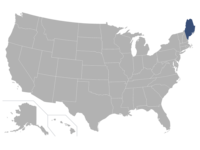
Augusta, ME