Maine House advances data center moratorium
Apr 06, 2026 | 5:27 pm ET

Description
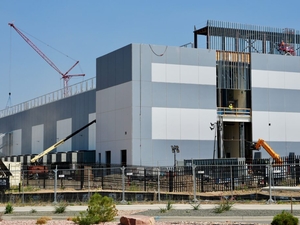
Construction proceeds at a data center in Eagle Mountain, Utah, in 2021. Across the country, some state lawmakers are concerned that the growing data center industry is creating a surge in demand for new electricity and grid infrastructure. (Photo by George Frey/Getty Images)
The Maine House of Representatives has given initial approval to a bill that would ban most data centers until November 2027.
The bill, LD 307, places a moratorium on data centers with a load of 20 megawatts or more. House lawmakers passed the bill by a vote of 82-62 Monday, advancing it to the Senate.
“This is not a bill against innovation, nor is it a rejection of economic development,” said Rep. Melanie Sachs (D-Freeport) on the floor last month. “Maine has always been a place that embraces new industries and new ideas, but we are also a state that understands the value of stewardship of our land, our water, our communities and our long-term future.”
The bill also creates the Maine Data Center Coordination Council, and instructs the council to provide strategic input, facilitate planning considerations and evaluate policy tools to address data center opportunities.
Rep. Steven Foster (R-Dexter) said in March that any data centers are already subject to environmental and local regulations.
Amid mounting concerns, Maine considers excluding data centers from tax breaks
“This moratorium is not needed here in the state of Maine,” Foster said. “A lot of fear has been stoked up about an AI data center being built anywhere in Maine, which is contrary to reality. We would not see the facilities here the size of those being built in other states.”
Rep. William Tuell (R-East Machias) said in the same floor discussion, that he had an “odyssey” on the whole issue, and ultimately came to support the moratorium.
“The more we learn, the more I do think a pause is in order,” he said.
Despite the extensive discussion in March, the House ultimately tabled the bill, and finally returned to the issue Monday. Lawmakers considered a floor amendment that would have added an exemption process to the moratorium — seemingly aimed at a proposed data center in Jay — but ultimately rejected the amendment.
The House also gave initial approval Monday to LD 713, which would exclude data centers from certain tax breaks under the Business Equipment Tax Exemption Program and the Dirigo Business Incentives Programs.
Rep. Daniel Sayre (D-Kennebunk) said data centers don’t align with the goals of the two tax incentive programs.
“The primary argument for those kinds of business incentives are for job creation,” he said. “Data centers, once in operation, really create very few jobs.”
But Rep. Shelley Rudnicki (R-Fairfield) questioned why the data centers should be singled out.
“I have a problem with that simply because we’re picking and choosing,” she said. “Instead of using the same tax credit for everyone, we’re picking and choosing, and basically this just disallows data centers from using those two tax credits.”
LD 713 passed 75-61 in the House, and went before the Senate Monday evening.
Sen. James Libby (R-Cumberland) echoed Rudnicki’s concerns about excluding data centers.
“So when we talk about excluding opportunity like this, which is really — it’s a part of our future, it’s going to end up somewhere — so no matter how you look at it, it’s a part of our future,” Libby said. “When we talk about excluding that from already existing programs that are economic development incentives, all we are doing is continuing to put Maine behind the eight ball.”
But Sen. Tim Nangle (D-Cumberland) countered that the tech companies using data centers don’t need these incentives, especially in a tight budget year with other competing priorities.
“I’m just astounded at what I just heard a couple of minutes ago,” Nangle said. “We can’t afford health care for our constituents. School funding is a nightmare. School construction is entirely underfunded, but we can afford … $2 million out of the general fund for the richest — the richest corporations in the world, Amazon, Google, you name them — we’re going to give them money.”
The bill passed in the Senate 19-13, and now heads to both chambers for final votes.
- 7:46 pmThis story was updated to include the Senate vote on LD 713.
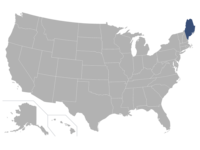
Augusta, ME