Louisiana’s orphan well debacle shows why industry needs accountability
Aug 14, 2025 | 4:40 pm ET

Description
Getty Images
While nearly 5,000 orphan oil and gas wells pose environmental risks throughout the state, Louisiana is suing the entity it created – then killed – to remedy the problem.
It’s more evidence that relying on the fossil fuel industry to address a problem after the fact – rather than preventing it in the first place – continues to prove pointless. In this latest instance, a framework set up with the direct input of oil and gas interests appears to have collapsed under the weight of self-dealing and shoddy bookkeeping.
A lawsuit filed Friday in a state court in Baton Rouge asks a judge to issue a temporary restraining order to prevent the Louisiana Oilfield Restoration Association from tossing any business records, The Advocate reported. Louisiana parted ways with LORA after an audit last year showed it was failing to keep pace with abandoned and neglected wells. A separate review raised questions about the association’s financial practices.
Among the allegations state officials have lobbed at LORA is that it helped arrange a $780,000 home loan for Johnny Adams, the former assistant commissioner for the state Office of Conservation. Adams helped establish LORA in 2019 and fashioned its cooperative endeavor agreement with the state, according to the lawsuit. It set up a fee schedule for oil and gas exploration companies that LORA collected to pay for orphan well remediation.
Adams’ attorney told The Advocate his client’s home loan was arranged with Chromos Wealth Services – and not LORA. The state included Chromos as one of the defendants in its lawsuit, claiming it’s among the companies that received investment fees from the association and benefited from its tight-knit relationships.
It’s arguable that close-kin business ties were inevitable from the start when LORA was established as a for-profit entity with minimal oversight from the state. Last year’s audit noted that while the Office of Conservation allowed the association to increase the fee it collected for administrative costs, there was no way to review LORA’s spending to see if it was justifiable.
LORA stands by its work. In a statement to The Advocate, spokesman David LaPlante said “the current administration has different plans for addressing orphan wells,” and that LORA will address the state’s allegations in court.
The audit counted 976 plugged orphaned wells during fiscal years 2020-23 based on numbers from LORA and the state’s Oilfield Site Restoration Program. But during that same period, nearly 1,700 new orphaned wells were reported.
The Office of Conservation gave the association its official kiss of death in May, saying it no longer recognized LORA as an “acceptable financial institution” to help drillers meet financial security requirements in Louisiana. Six years ago, it was created to provide what amounts to insurance for exploration projects, then given authority to collect fees for abandoned and spent well cleanup.
The writing on the wall for LORA came in spring 2024 when the Louisiana Legislature approved the creation of the Natural Resources Trust Authority, a subdivision of the state Department of Energy and Natural Resources. It was pitched as an opportunity to bring oversight of orphan well remediation in house and find a more reliable funding source for the work.
There’s skepticism over whether the state will make appreciable progress in addressing its orphan well issues. Last year’s audit estimated it would cost more than $500 million to cap and clean the number of wells needing attention at the time, which was nearly 4,800. Furthermore, the number of inactive wells — ones with a high risk of becoming orphaned — exceeded 21,600.
Gov. Jeff Landry has reconfigured his Department of Energy and Natural Resources (he added “Energy” to its name) with a decided lean toward fossil fuel interests. Its secretary, Tyler Gray, was hired away from one of the state’s leading oil and gas lobbying groups with a $60,000 salary increase compared with the person who previously held the department’s top job.
Certainly, LORA’s inadequacies leave lots of room for improvement for a state-led effort to plug orphan wells. But it remains to be seen whether Landry and legislators — and their eventual successors, given the scope of the problem – can fund a long-term solution.
Until they are willing to require the oil and gas industry to take financial responsibility for the mess it’s left behind in Louisiana, there’s little hope conditions will improve – leaving Louisianians to face the risk and cost.
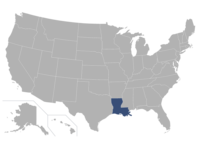
Baton Rouge, LA