Louisiana eases restrictions for managing fatal deer disease
Jun 02, 2026 | 1:00 am ET
Description
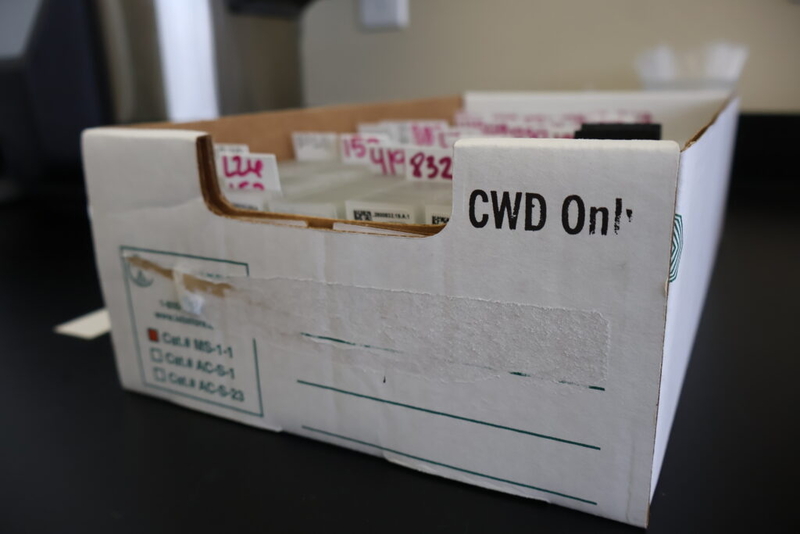
A box containing microscope slide samples from deer tested for chronic wasting disease at the Louisiana Animal Disease Diagnostic Laboratory. (Elise Plunk/Louisiana Illuminator)
Louisiana wildlife regulators have approved a new plan for how to handle a fatal disease that’s spread to the state’s deer population, following the lead of state lawmakers who rolled back restrictions on how they manage the malady.
The Louisiana Legislature recently approved legislation requiring the state Department of Wildlife and Fisheries to change its policy for chronic wasting disease prevention, easing restrictions on hunters who use bait to attract deer in the parishes where disease prevention measures are in place.
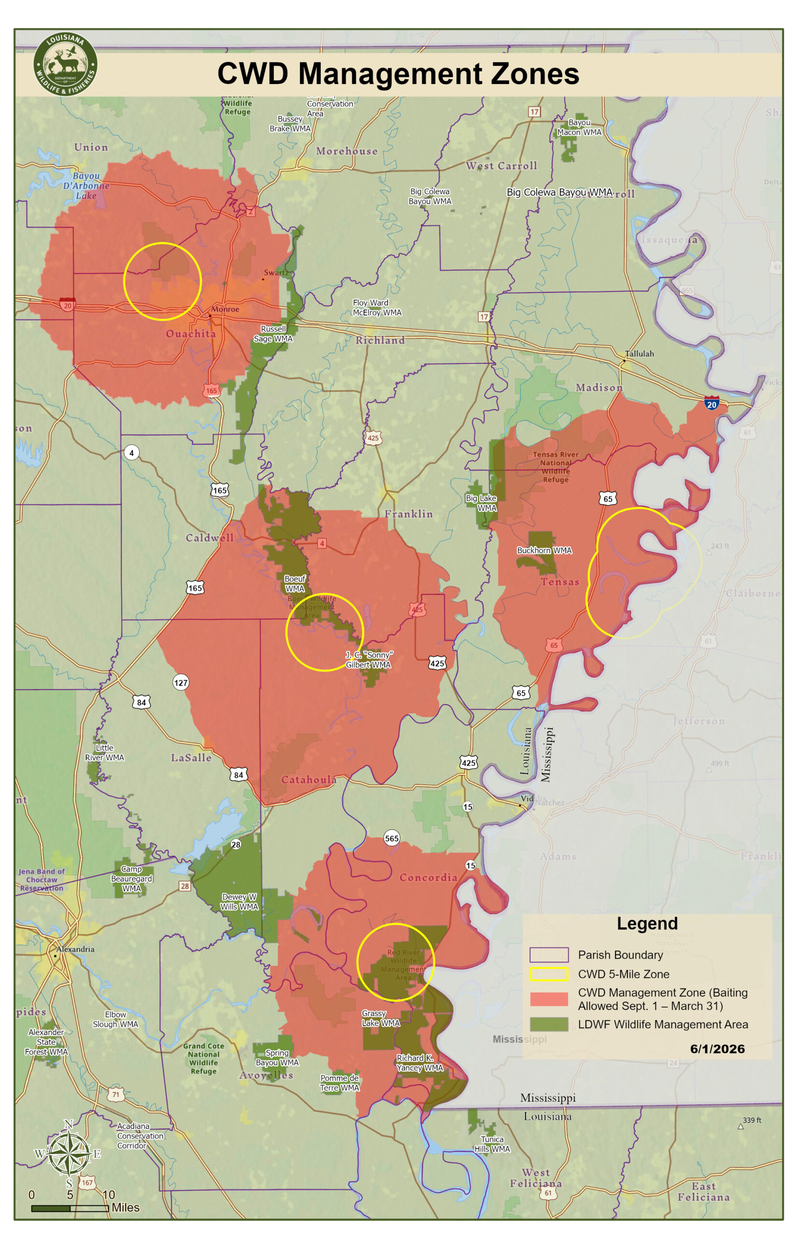
State officials have created disease management zones, extending a radius of around 15 miles from where cases have been confirmed. The largest portions of the zones are in Catahoula, Concordia, Ouachita and Tensas parishes, with portions of neighboring parishes also included.
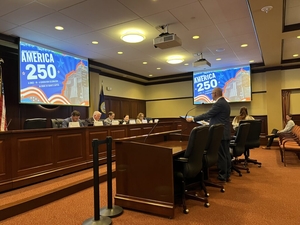
The state Wildlife and Fisheries Commission voted Tuesday to allow baiting for deer within the disease management zones from Sept. 1 to March 31. Areas where the zones previously intersected have had their restrictions lifted.
The commission approved an emergency declaration to change the map of chronic wasting disease restrictions, effective immediately. There are now just four zones.
The spots closely mimic the old map’s enhanced mitigation zones, following visible boundary lines such as roadways and water bodies, with portions largely from the same parishes in the northeast of the state. The exact boundaries of the zones will be updated and shared on the department’s Outdoor Explorer interactive map.
Chronic wasting disease affects the brains and nervous systems of deer, causing dizziness, disorientation and a starved appearance. The disease is always fatal, with no current cure or treatment. It has spread into 36 states, including northern parishes of Louisiana, and five Canadian provinces since it was first detected in captive deer in the 1960s and in the wild in the 1980s.
Deer spread the disease through their saliva, urine and droppings. The misfolded proteins responsible for the disease remain in soil and water for an extremely long time, where they can infect healthy deer that pass through even when no other sick deer is around.
Louisiana state Sen. Glen Womack, R-Harrisonburg, and Rep. Danny McCormick, R-Oil City, sponsored legislation to remove or roll back restrictions on baiting and feeding deer in areas where chronic wasting disease control measures were in place. McCormick’s legislation to suspend all restrictions failed, while Womack’s now acts as the new basis for the department’s chronic wasting disease policy.
Ted Nugent, ‘70s rockstar turned conservative activist, testified via recorded video at legislative committee hearings against chronic wasting disease control measures, calling them “scare tactics” that harmed hunters’ “ lifestyle and heritage.”
Starting July 1, the Wildlife and Fisheries will collect samples from dead deer for a year to check for the disease, with the goal of testing up to 300 deer.
The legislature also approved new baiting and feeding rules based now on how saturated an area has become with chronic wasting disease.
If sampling points to disease levels in less than 2.5% of an area’s population, baiting and feeding will be allowed. If the rate is higher than 2.5%, state officials can restrict baiting and feeding within 5- and 15-mile zones for future surveillance.
If the disease prevalence is higher than 20% of the projected population, baiting and feeding will be allowed. Disease control is significantly harder when larger percentages of the population are infected.
The Wildlife and Commission was required to change its chronic wasting disease protocols in accordance with the new legislation. Different proposals to remove all restrictions related to the season failed to gain approval, but wildlife advocacy groups still warn the new measures could impact how widely the disease spreads.
“While it does have an umbrella of still being science-based management, we feel the prevalence rate of 2.5% has gone too far,” Rick Owens, advocacy manager for the Louisiana Wildlife Federation, said during Tuesday’s meeting.
The sampling sizes the legislature approved create “a very small window” to get the disease under control before it spreads exponentially faster, he said.
Baton Rouge, LA