Looking at West Virginia’s unemployment rate and healthcare rankings
Sep 14, 2026 | 5:55 am ET

Description
As of June, there were 32,792 unemployed adults in West Virginia. (Stock photo by Catherine McQueen via Getty Images)
Recently, I have seen various studies which have analyzed West Virginia as to employment and healthcare. I am interested in both areas.
I have been a SCORE volunteer for 15 years, mentoring small businesses. SCORE is a 501(c)(3) affiliated with the U.S. Small Business Administration. My professional career (government and corporate) was in healthcare, both in West Virginia and nationwide. I am still heavily involved, being on various local, state and national boards.
In June 2026, West Virginia’s non-farm employment went down by 1.2% or 9,100 jobs. The June 2025 unemployment rate was high at 4%.
As of June 2026, it is even higher, 4.2%, which is also the national average.
There are now 32,792 unemployed adults in the state.
Of equal concern is the fact that the state has the fifth lowest earnings per hour at $30.01 per the Bureau of Labor Statistics. For comparative purposes, neighboring Virginia is at $36.62.
The best analysis of state healthcare status was by a non-profit group called Americas Health Rankings. When examining healthcare, the results are generally negative with West Virginia ranking 49th of 50 states on health outcomes. In a few areas, like limiting excessive drinking, the state does well. But in many others, like drugs, the state has a long way to go. Specifically, West Virginia had more drug deaths per capita than any other state. It ranked 47th regarding both mental distress and non-medical drug use with 19% of residents reporting frequent mental distress and 22% drug use (12% being opioids). With 21% of residents smoking tobacco, West Virginia ranked 49th. At the same time, the state ranked 46th in the number of mental health providers.
The study defines chronic physical health conditions as “arthritis, asthma, chronic kidney disease, chronic obstructive pulmonary disease, cardiovascular disease (heart disease, heart attack or stroke), cancer (excluding non-melanoma skin cancer), depression or diabetes.” It indicates that West Virginia ranks 49th. Likewise, the state ranks poorly for three closely related factors: 49th for obesity, 48th for high cholesterol and 47th for high blood pressure.
The report also rated West Virginia poorly regarding exercise and physical activity (48th) and fruit and vegetable consumption, factors which also contribute to the above.
The bottom line is that there is a lot of room for improvement. State government must promote policies that lead to higher paying industries permanently locating to the state. Likewise, as hard as it is to acknowledge healthcare shortfalls, state leaders must analyze why West Virginia’s rankings are so poor when compared to other states. And then propose specific actions that will help alleviate the problems. For example, training and recruiting more mental health professionals.
For the state’s voters, I ask that you consider electing officials who are willing to acknowledge these issues and deal with them. Complaining about made up problems like transgender athletes playing high school sports has helped to get politicians elected in the past but solves nothing.
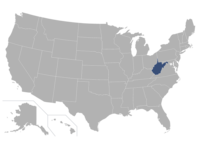
Charleston, WV