Legislation would abolish ‘antiquated’ county constables
May 19, 2023 | 10:37 am ET
Description
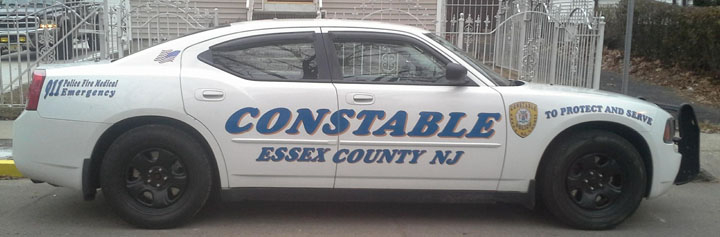
Critics say county constables are “antiquated and potentially dangerous" and have no oversight. (Photo courtesy of the State Commission of Investigation)
New Jersey moved closer to abolishing county constables Thursday when an Assembly panel advanced a bill to get rid of a centuries-old position critics call “antiquated and potentially dangerous.”
The measure comes nearly two years after the State Commission of Investigation issued a report that says county constables often misrepresent themselves as sworn law enforcement officers, engage in policing activities beyond their authority, and use their position for personal profit.
Assemblywoman Annette Chaparro (D-Hudson), a bill sponsor, is vice chair of the Assembly’s law committee, whose members agreed Thursday to advance the measure. New Jersey’s patchwork system of constables causes confusion and disruption, Chaparro said.
Rob Nixon, testifying on behalf of the New Jersey State Policemen’s Benevolent Association, called the lack of oversight over constables “extraordinarily concerning.” Many wear uniforms and drive cars that make them appear like police officers, even though they have “zero police power — zero,” Nixon said.
“This isn’t Barney Fife in some sleepy town in make-believe,” Nixon said. “It’s very important that we take this antiquated and potentially dangerous position off the books and leave law enforcement to the professionals.”
State laws dating to the 1600s allow municipalities to appoint constables. In some towns, constable is just a ceremonial title, while other towns direct constables to assist police by handling low-level duties like enforcing noise and litter ordinances and delivering court notices.
But some carry firearms and impersonate police at emergencies, despite a lack of training and authority, the State Commission of Investigation found.
The Senate’s law committee advanced the bill last May, but it has not yet been scheduled for a vote before either full legislative body.
Trenton, NJ