Lawmakers reach compromise on what to do with Sununu Center sale proceeds
May 27, 2026 | 1:51 pm ET

Description
The Sununu Youth Services Center in Manchester. (Courtesy of Jeffrey Hastings via Manchester Ink Link)
A group of state lawmakers have decided the proceeds from selling the Sununu Youth Services Center should go to the state’s general fund, rather than directly into a settlement fund for victims of abuse at that facility. The move doesn’t preclude the state from using that money to compensate victims, but it doesn’t guarantee it.
The committee of conference agreement on Senate Bill 481 will need to be approved by the full Senate before it is finalized and sent to the governor. The Sununu Youth Services Center in Manchester (formerly known as the Youth Detention Center) is a juvenile detention facility that has been plagued by years of abuse and neglect allegations that have resulted in millions of dollars of legal settlements paid to victims. More allegations have emerged recently. The state plans to close the center and sell the property.
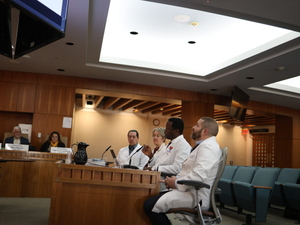
In January, the Senate passed legislation stipulating that if the building was sold after June 30, 2027, the proceeds would go into a state fund created to pay future settlements to victims of abuse at the facility; if it was sold before then, the proceeds of the sale would go into the state’s General Fund. Sens. Cindy Rosenwald and James Gray said those dates were established because lawmakers initially anticipated the sale happening before July 2027 and, during the budget process last year, appropriated money accordingly. House lawmakers amended the bill so that the proceeds would go into the General Fund regardless of when the sale happens. On Friday, negotiators from both chambers met for a committee of conference to work toward an agreement.
“This is a very unique property,” Rep. Dan McGuire said. “Seems like it’s very valuable. It’s a big chunk of land in a nice area of Manchester on the Merrimack River, but it has … some number of buildings that were built for a special purpose to be the Youth Detention Center. And who knows if someone will be able to come along to use some of those or they’re just gonna have to raze them. It’s gonna take the right buyer to come along at the right time. We don’t know how much money is involved. We don’t know when it’s coming.”
McGuire, an Epsom Republican, argued this ambiguity means the state should decide where the money goes after the sale occurs. Senators acceded to the position and will now take the bill back to the full Senate. If the full Senate also accedes, the bill will go to Gov. Kelly Ayotte for final approval. Otherwise, the bill dies.

Concord, NH