Lawmakers propose oversight for state, local agencies using AI
Sep 03, 2026 | 7:55 am ET
Description
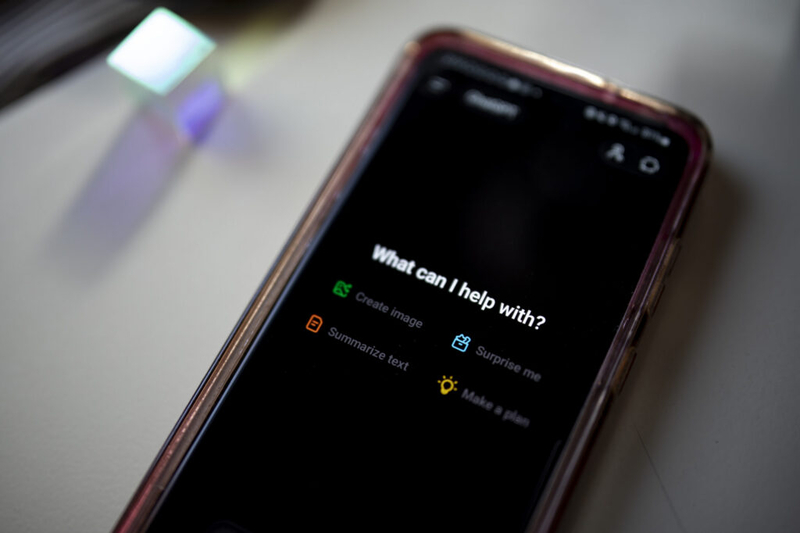
A smartphone displays the ChatGPT app. (Photo by Alexander Castro/Rhode Island Current)
Concerned that Nevada agencies have relied on artificial intelligence without much oversight, state lawmakers are proposing legislation to establish basic standards on how the technology is used by state and local government entities.
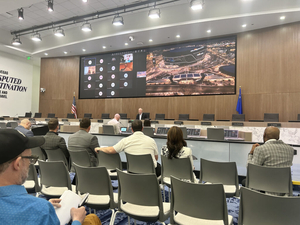
Proposed legislation that would require transparency around AI and prevent bias in automated decision making was among the nine bill draft requests approved at the Aug. 27 the interim Government Affairs Committee meeting.
Democratic state Sen. Dina Neal, who recommended the committee pursue the AI legislation, said a variety of government departments integrated AI systems into their agencies “without statutory action.”
“I think that it’s high time that although folks see that there is a benefit to make work more efficient, there is also some risk that I think we need to evaluate,” Neal said.
The proposal will be taken up in the 2027 Legislative Session, which begins Feb. 1.
Agencies, including the Nevada Department of Employment, Training, and Rehabilitation and the Department of Motor Vehicles, have implemented AI to aid with the work flow. DETR began using the technology to help with the appeals process for unemployment benefits.
There are questions around its use, said Democratic state Sen. Edgar Flores, who chairs the committee.
“We want to make sure that there is a human that ultimately is making these decisions,” Flores said. He added that lawmakers have heard of situations where people were denied benefits, sought to speak to an actual person during the appeals process, but couldn’t.
“It shuts you down,” he said.
There hasn’t been a review of instances where the system has failed or automation bias may have occurred, and the state needs to determine “how many errors occurred where there was a need for a human response, but the human response did not occur,” Neal said.
Lawmakers anticipate a robust response from state and local agencies when the bill comes up for the discussion.
“When they say ‘everything’s fine,’ then I’m going to say there needs to be an audit to make sure that what you said is fine,” Neal said.
In 2025, 38 states adopted some type of artificial intelligence related policy, according to a National Conference of State Legislatures database.
Neal introduced legislation in 2025 that sought to establish broad guardrails around artificial intelligence companies that sought to set up shop in Nevada as well as the use of the technology in various sectors.
Senate Bill 199 sought to prohibit law enforcement from using AI to generate police reports and teachers from using software to create lesson plans.
It received a wide range of opposition from business industry, law enforcement, and school district employees. The bill didn’t make it out of committee.
President Donald Trump has sought to limit states from regulating AI.
The massive tax and spending legislation passed in July 2025, called the “One Big Beautiful Bill” originally included a provision preventing states from pursuing AI regulations for a decade.
The provision was stripped out of the legislation before its final passage.
Trump signed an executive order in December 2025 seeking, again, to limit states from taking regulatory actions.
Republican Assemblymember Lisa Cole was worried about the state running afoul of Trump’s order.
“I’m just a little concerned that inside of the recommendations language, we’ve got protections against bias in automated decision making,” she said.
However, Neal said she has already looked into “how far the state needed to usurp its own position under 10th Amendment,” which protects states from federal overreach.
“An executive order, although it may state its suggestions, might not necessarily tie the hands specifically of a state,” Neal said.
Las Vegas, NV