Kentucky is getting major money from Meta settlement. How should the state spend it?
Sep 09, 2026 | 5:30 am ET

Description
The Meta settlement will send $358 million to Kentucky for children's programs. (Getty Images)
Kentucky is about to get an influx of funds from a major settlement with Meta, and lawmakers and advocates want to see the money invested in children’s wellbeing.
The state’s slice of the $17.1 billion settlement is $358 million, with payments expected to start flowing in early fall.
The settlement came in late August after Kentucky Attorney General Russell Coleman — along with California, Colorado and New Jersey — sued Meta, accusing the social media company of using harmful features to drive compulsive use by children and teens while also claiming the platforms were safe for young users.
The payout will be split between nearly every state in the country. The settlement will also include new limits on Facebook and Instagram for minors.
Coleman previously said in a statement that “while Meta is certainly paying for its conduct, this was never just about the money.”
“Kids deserve a childhood that isn’t measured in likes and followers,” Coleman said. “The online protections delivered by this settlement will bring a generational change that will make social media platforms safer for Kentucky families.”
Rep. Kimberly Moser, R-Taylor Mill, meanwhile, plans to revive a bill that was unsuccessful in the 2026 session next year, which would funnel social media settlement money like the Meta dollars into youth development programs around Kentucky.
“I feel strongly about keeping this in the realm of funding positive youth development programming,” she told the Kentucky Lantern.
House Bill 686 passed the House of Representatives this past session but didn’t make it through the Senate side. Moser said she was not aware of any particular opposition to the bill and believes it didn’t pass because of timing.
“There wasn’t a real sense of urgency for a lot of people who really weren’t paying attention to these lawsuits and didn’t know what was going on,” Moser said. “Hopefully there is now. I have talked to a few colleagues who are fully on board and want to see this move.”
2027 comeback legislation
Rep. Matt Lockett, R-Nicholasville, said he fully supports Moser’s bill and believes much of his caucus wants to see the settlement funds help children.
“I think it’s important that that money goes to the reason for the settlement, and that’s kids,” Lockett told the Lantern. “I would be very disappointed if the money was used elsewhere; if it was used for other things, or if it just got soaked up … in the general fund. I think if that happens, we would be missing an opportunity to really put these funds to good use for the kids in our state.”
Meta settles with Kentucky, other states, including changes for kids’ safety
Lockett is also bringing back his House Bill 227 next year, which proposes a series of regulations on social media. He previously blamed Meta lobbying for the bill not passing. He plans to compare his bill with the Meta settlement and see what changes, if any, he needs to make ahead of the 2027 regular session.
Moser is still looking at HB 686 as well and may make some edits ahead of next year’s legislative session, but said “largely, the structure and framework that I intend to put in place is pretty much the same.”
HB 686 would set up a trust fund to hold settlement funds, which a state commission would then disburse to programming for local communities based on what the community needs.
Communities would have to apply for grants and demonstrate positive outcomes as well. The money could also go to programming that “better support families and the family unit,” Moser said, such as parental education around social media.
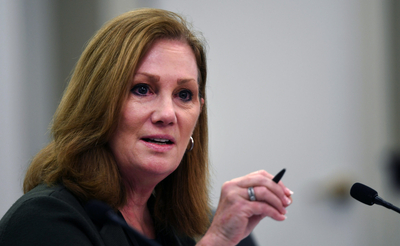
“The whole point is that social media and its addictive qualities have been shown to put young minds at risk of potentially grave danger,” Moser said. “And so, if we can find programming that gives kids alternatives to that need to connect, but connecting in a positive way and not on social media.”
Meta changes and parental responsibility
In addition to financial retribution, Meta must implement a series of changes to its platform, which include:
- Time limits and “Productive Pauses” for children: for its two platforms, Instagram and Facebook, a combined two-hour daily time limit with mandatory pauses after 15 minutes of continuous use and again at 60 and 90 minutes to interrupt endless scrolling.
- “Nighttime blocks” restricting children’s access from 12:00 a.m. to 6:00 a.m.
- Limited school-time access for children, eliminating push notifications on weekdays from 8:00 a.m. to 3:00 p.m. during the school year.
- Robust age assurance measures to more effectively verify the age of young users.
- Safer, age-appropriate content controls, including stronger safeguards against bullying, content promoting eating disorders, and content related to suicide and self-harm. The National Suicide Prevention Lifeline is 988.
- Stronger, more user-friendly parental controls.
Shannon Moody, the executive director of Kentucky Youth Advocates, said such changes need to happen on other platforms too.
“With it being Meta in particular having to put those programmatic changes in place, we also need to see the other social media companies doing the same, because we don’t want to drive young people from Instagram or Facebook over to other platforms that don’t have these types of restrictions,” she said. “But I think with the investment and the restrictions, we’re going to see better outcomes and less usage, and hopefully less addiction and more young people spending time with each other off screen.”
Meta previously called on TikTok and YouTube to make similar changes for youth on their platforms.
“While this is an important step, the fact is that teens move fluidly between dozens of apps a day,” a Meta statement said when the company settled. “All platforms should empower parents and support teens by putting the same measures in place, because we know that when teens are restricted on one app, they simply move to another.”
Parental responsibility
Even with changes from Meta, parents still need to be vigilant about their children’s social media usage, Moody said.
“It’s just like being aware of what they’re eating and making sure they’re getting a nutritious meal, making sure that they’re consuming content that is good for them, that is additive or positive, is really important too,” she said.
Parents should also be mindful of how much time they spend on their phones around their children, Moody said, which can also influence young people.
“If everyone’s sitting around the dinner table on their device, whether it’s a phone or tablet, that’s going to be normalized, and their kids are going to habituate that,” Moody said. “So it’s just as important for parents to be cognizant of how much time they are on their phones or on their devices because it’s certainly going to set a precedent for their kids.”
Frankfort