Judge sides with NV Energy but peak demand case ‘far from over,’ says Ford
May 26, 2026 | 8:30 pm ET
Description
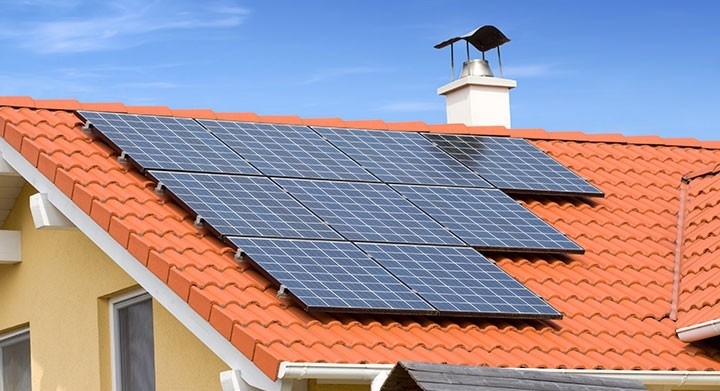
In 2024, NV Energy served roughly 505,000 non-solar residential customers and 105,000 rooftop solar customers, according to a federal regulatory filing. (Photo: NVEnergy.com solar and energy website).
The legal battle between utility regulators and Attorney General Aaron Ford’s Bureau of Consumer Protection is likely headed for the Nevada Supreme Court following Clark County Judge Mary Kay Holthus’ decision Tuesday in favor of the Public Utilities Commission and NV Energy.
The utility intends to add a 14-cent per kilowatt charge for electricity consumption during the 15-minute period of the day with the highest usage for Southern Nevada customers. The charge is intended to reduce what NV Energy says is a $50 million a year subsidy that full service electricity customers pay on behalf of rooftop solar ratepayers.
“In the middle of a cost-of-living crisis, it is outrageous for big utility companies to drop yet another expense on Nevadans’ shoulders in the form of the unlawful demand charge,” Ford said in a statement Tuesday. “This price hike would force hundreds of dollars in new costs onto families who are already stretched thin. The court got it wrong, and I will be appealing its ruling to the Nevada Supreme Court. This case is far from over.”
Ford is engaged in a Democratic primary race for governor and hopes to face Republican Gov. Joe Lombardo in the general election. The ultimate outcome of the case could influence the election, say some experts.
Attorneys for the PUC and NV Energy contend the cost shift to rooftop solar customers will save money across the board.
“This case has received a lot of public attention,” noted PUC General Counsel Garrett Weir, who said reports that the peak demand charge will “harm or increase bills for all Nevadans” are “just not accurate.”
The peak demand charge “will make most customers’ rates go down,” attorney Leif Reid said on behalf of NV Energy.
“I am not going to substitute my interpretation of technical ratemaking and policy decisions for that of the commission absent the appropriate evidence, which I have not seen,” Holthus said from the bench, adding she was “not saying who I agree with or disagree with.”
Holthus, however, said she kept “coming back to that at the end, it’s like people are going to have better rates,” citing the PUC and NV Energy’s argument that 90% of customers are subsidizing power bills for 10% – those who have rooftop solar systems – and that the demand charge will lower costs across the board.
Power bills for the 10% “are going to be higher than they would have been without this, but they’re still going to be lower than the 90%,” the judge said.
NV Energy also intends to change the way net metering is calculated for new rooftop solar customers in Northern Nevada.
The Bureau of Consumer Protection argued that the Nevada Legislature first granted the PUC authority to regulate net metering in 2015, but reversed course in 2017, declaring that rooftop solar customers could not be treated differently than full-service ratepayers.
The PUC, the BCP contends, is attempting to turn back time.
“If the commission can do today the same thing that it could do in 2015 why did the Legislature repeal Senate Bill 374?” Deputy Attorney General Paige Magaster asked Holthus. “Why did it adopt Assembly Bill 405 and say ‘you must treat NEM (net metering) rate payers the same. You cannot establish different rate classes. You have to implement net metering how we say.’ That is what is required under Nevada law.”
Magaster added that “no amount of evidence can reimbue the commission with authority that it lacks – that the Legislature explicitly, purposely, took back. That is at the heart of this case.”
Holthus anticipates an appeal and invited the attorneys to “make your record for where you’re all going next.”
A hearing is scheduled Wednesday in a related case brought by Vote Solar in Northern Nevada.
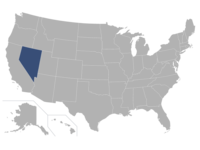
Las Vegas, NV