IRS delays filing, paying of taxes for residents in 22 Nebraska counties after wildfires and storms
Aug 27, 2026 | 3:18 pm ET
Description
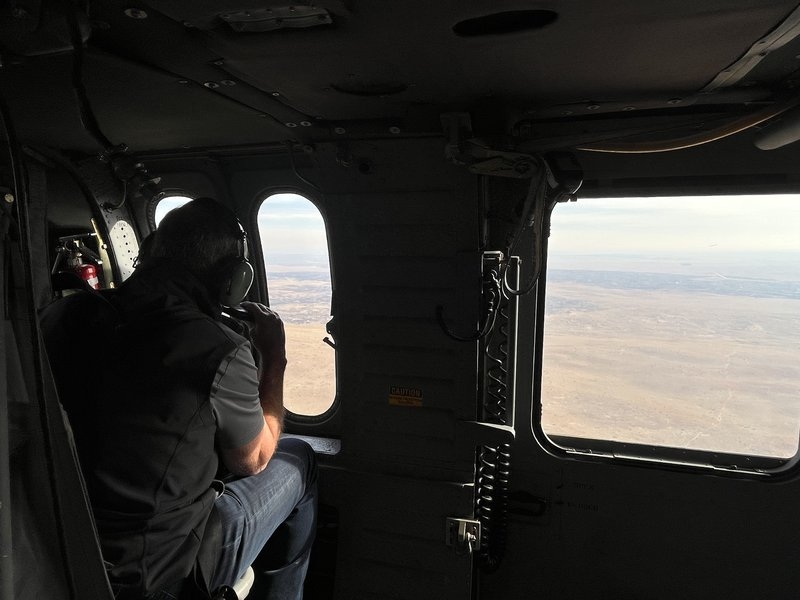
Gov. Jim Pillen surveys burned land in Nebraska on Saturday, March 14, 2026. One person died as four major fires continued to burn in western and central Nebraska. (Photo courtesy of the Governor's Office)
LINCOLN — The U.S. Internal Revenue Service is postponing the filing and paying of 2026 taxes for affected Nebraskans and businesses in 22 counties due to wildfires and storms this year.
Nebraska Gov. Jim Pillen announced the delay Thursday as a result of five separate state disaster declarations. Affected taxpayers now have until Feb. 1, 2027, to file their tax returns and pay any taxes originally due during the disaster periods. Four of the five disasters are due to wildfires between March and June. The fifth is due to severe storms in May.
“When a disaster strikes, surviving the immediate aftermath takes priority,” Pillen said in a statement.
The counties with the approved delay: Arthur, Buffalo, Custer, Dawes, Dawson, Fillmore, Frontier, Gage, Garden, Grant, Howard, Jefferson, Keith, Lincoln, Morrill, Nemaha, Red Willow, Richardson, Saunders, Sioux, Thayer and Thurston.
Federal legislation now allows the IRS to grant a governor’s request for delay based on a governor-declared disaster or emergency. Before, a federal declaration, which can take longer, was needed.
This is the first time Nebraska has requested the relief under the new law.
Pillen said this year has “undoubtedly” weighed heavily on those who experienced losses and/or damage from the fires and storms just months ago.
Said the governor: “This determination from the IRS will hopefully provide a little respite to Nebraskans in those counties who were affected by allowing them the time to meet their tax obligations without incurring additional penalties.”
Additional counties could be added to the previously declared disaster areas. Residents and businesses in those counties would also be eligible for postponement. Individuals who receive late filing or payment notices during the postponement can call the IRS to have the agency abate the penalty.
More information on each disaster is available from the IRS at https://www.irs.gov/newsroom/around-the-nation-nebraska.
Lincoln, NE