Iowa now meets federal nursing home inspection requirements, audit finds
Aug 03, 2026 | 5:58 pm ET
Description
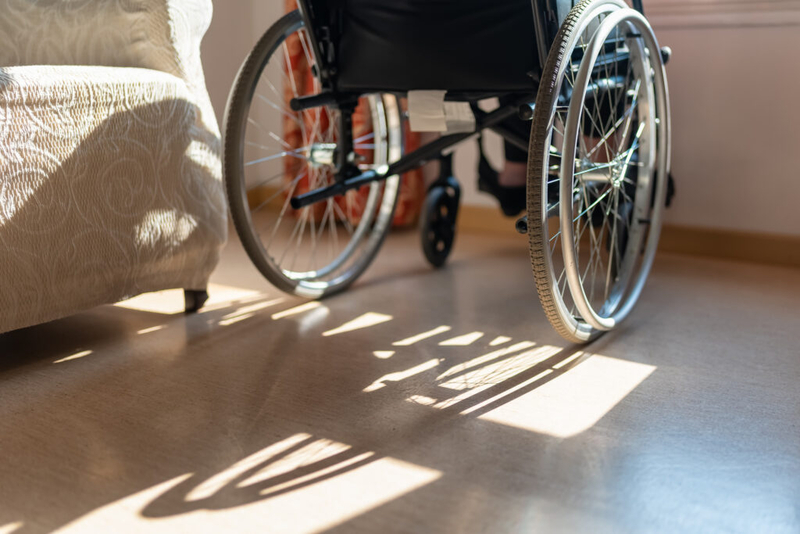
Iowa's nursing homes are now being inspected on average every 12 months, bringing the state into compliance with federal requirements, state Auditor Rob Sand said. (Photo by Jose Miguel Sanchez/Getty Images)
An audit released Monday shows the state has made “substantial improvements” in efforts to inspect nursing homes and now meets federal requirements, state Auditor Rob Sand said.
In 2024, the state auditor’s office found certified nursing homes in Iowa were inspected by the Iowa Department of Inspections, Appeals and Licensing on average every 17.1 months — four months beyond the federal mandate requiring homes to be inspected on a 12.9 month average. This requirement was set by the Centers for Medicare and Medicaid Services (CMS), the federal entity that pays for states to inspect nursing homes for compliance with federal regulations.
But according to data released June 1, 2026, Sand said Iowa’s nursing homes are now being inspected on average every 12 months, bringing the state into compliance with CMS requirements.
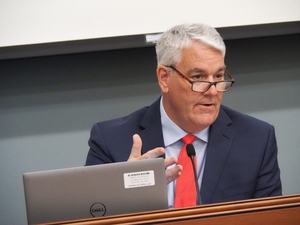
“I believe it demonstrates what happens when government agencies are held accountable and have proper oversight — always good to have a little bit of encouragement to make sure that improvements are getting made.” Sand told reporters Monday.
Additionally, Iowa has made progress in meeting the requirement for each individual care facility to be inspected at least once every 15.9 months. In 2024, 85.4% of Iowa’s 403 nursing homes had not been inspected within this deadline at least once during the past three inspection cycles, the auditor’s report found. But the new report found as of 2026, only 2.8% of Iowa’s 389 certified nursing homes had missed the 15.9 month deadline in the past three inspection cycles, representing a nearly 83-percentage point decrease in overdue inspections.
Sand, the only Democrat to hold statewide elected office in Iowa and the Democratic nominee for Iowa governor in 2026, credited the GOP-led state Legislature and current Republican administration for investing in the issue, and for increasing the number of DIAL staff dedicated to nursing home inspections.
“Because there’s more people doing it, because they’ve made that investment, that means that we are increasing the number of inspections that are getting done, and we’re increasing how frequently they’re getting done,” Sand said. “Obviously, any parent who has told their kids or expected to have a clean room, and is able to take a look every now and then, can understand why that level of inspections and that level of oversight is important. Because as the number of staff go up, then nursing homes themselves can count on someone coming in to actually check their work, and make sure they’re doing what they’re supposed to do, at least as frequently as they are supposed to be looking into it.”
Sand said he believed the major improvements in these inspection rates should “largely be credited to staffing improvements — the number of individuals who are inspectors as state employees, has been increased.” While inspection staffing has improved, he said other workforce shortages remain.
Sand: Care facilities still struggle with nursing staff levels
“More people can get more inspections done. Pretty simple,” Sand said. “We also still face some challenges when it comes to staffing levels, and this is important to note, we do rank 47th nationally in the number of nursing staff per resident in nursing homes.”
In addition to having a low number of licensed nursing staff per resident in compared to other states, Iowa has also seen a high annual turnover rate, at 44% for nursing home staff. Though the report found this rate is an improvement from the previous report, when the state had a turnover rate of 54%, the report stated this still means “more than 9 out of 20 nurses who worked at a certified nursing home in the previous year are no longer employed by the facility.”
An Iowa Capital Dispatch review of 2025 federal data found 15% of Iowa nursing homes were cited for insufficient staffing.
There are also 17 fewer nursing homes in the state as well as roughly 2,000 fewer beds available for residents in Iowa compared to 2024. Sand said this reduction especially impacts Iowans in rural areas.
“They’re typically closing in rural areas where the population density is even lower to begin with,” he said. “That can make it harder for folks in rural areas who need to be in a nursing home to have access to one in their community or close to their family.”
Des Moines, IA