If you care about affordability, vote with climate in mind
Oct 30, 2026 | 5:30 am ET

Description
(Photo by Kevin Mohatt for Colorado Newsline)
Like many Americans, the issue that is top of mind for me as we approach the midterms is affordability, or rather, a lack thereof. That’s why I’m disappointed to see how few voters, and even candidates, are focused on climate change this election.
Wait — really? Yes.
Whether we talk about it or not, climate change is fueling America’s affordability crisis, and Colorado is no exception. However, with the right climate policies, we can lower energy costs, pay less for groceries, and save money on healthcare. But we need state and local leaders who understand these critical connections and prioritize climate action as a result.
As a renter without central air conditioning, I am all too aware of how often I turned on my window unit this summer to try and keep up with Colorado’s record-breaking temperatures. Across the U.S., higher temperatures are driving up energy bills as the need for air conditioning grows. Since 1970, Denver has seen a 56% increase in demand for home cooling that is exacerbated by shifting seasons and lingering summer heat, which has been on full display this October.
Climate-fueled extreme weather is also driving up utility prices. In the western U.S., regulators have raised customers’ electricity rates to cover costs related to wildfire mitigation and damages, something that will presumably continue as climate change feeds into increasingly exceptional drought conditions and greater fire danger across our state.
Coloradans need forward-thinking candidates who prioritize reliable, sustainable and cost-effective energy. Forcing outdated technology like coal plants to keep running is expensive, and these rising costs hit us, consumers, the hardest. Alternatively, the vast majority of newly commissioned renewable energy is cheaper than fossil fuels (and less affected by volatile oil prices), a key reality for our policymakers to understand as energy demand only continues to grow. In regards to domestic oil and gas production, Colorado is the first state to implement methane policies that are in line with the EPA’s 2024 methane standards, which is projected to prevent enough natural gas waste to meet the heating and cooking needs of over 20,000 homes. This election is a key moment for maintaining this positive momentum.
In addition to utility statements, I have dreaded seeing my grocery receipts lately. There are, of course, many factors that contribute to rising food costs, but we should not dismiss the role that climate change plays in raising our food bills.
More erratic weather, from severe droughts to unprecedented floods, impacts soil health, affects crop yield, and makes for an overall vulnerable supply chain. Warming temperatures can also increase the abundance and virality of plant pathogens on crops. What is more, unseasonable temperatures and changing planting zones have the potential to cost farmers an entire harvest, as we saw for Colorado growers earlier this year. On a global level, climate change is expected to raise the price of staples like potatoes, olive oil and chocolate.
The good news is that — as with energy — we have climate-smart solutions that save farmers money, lower carbon emissions and increase yield while making crops more resilient to extreme weather events. As more farmers adopt these practices, we need policies that prioritize supporting beneficial, practical solutions that are good for our wallets and the environment.
No discussion of affordability in the U.S. would be complete without addressing the cost of healthcare. According to the American Medical Association, healthcare spending saw an increase of 7.2% in 2024, the highest growth rate since 2003. How does this relate to climate change? Simply put, climate change is making us sicker. Extreme heat leads to more ER visits. Wildfire smoke exacerbates asthma. Ground ozone — one of the most common pollutants in Denver that increases alongside temperatures — raises the risk of respiratory infections and pulmonary inflammation. It’s no wonder The Lancet medical journal called climate change “the greatest global health threat facing the world in the 21st century.”
You don’t have to care about melting glaciers or species extinction to care about climate change. You simply need to care about your health and what it’s costing you. But there are solutions. New research from Columbia University links policies that promote cleaner air to improved early childhood development. Pollution safeguards — like the ones I mentioned addressing methane waste and leaks — have the power to save Americans billions in avoided health costs and even prevent pollution-related illness and death.
I’m voting with climate in mind this election, because I care about affordability. If you, too, are feeling the high costs of living, join me in speaking out about the impacts of climate change and supporting candidates who understand the need for pragmatic and commonsense climate solutions here in Colorado.
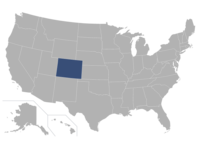
Denver, CO