Idaho Power’s 20-year energy plan predicts large increase in customer growth and peak energy load
Aug 06, 2025 | 6:30 am ET
Description
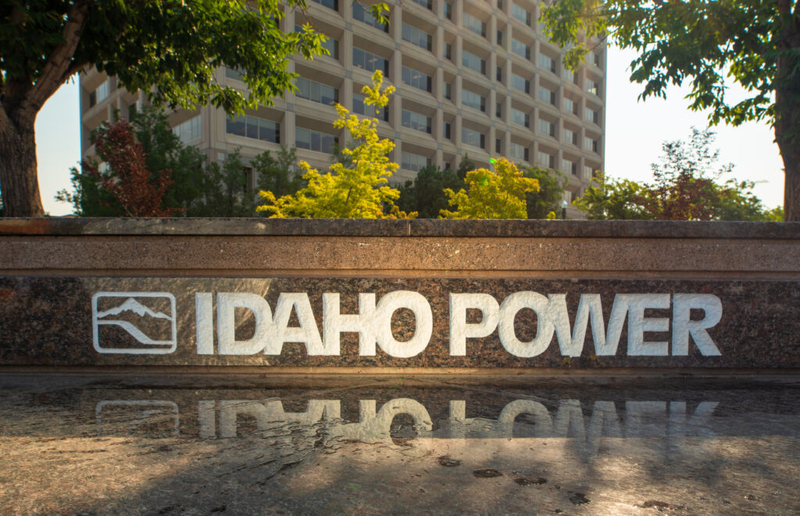
Idaho Power officials are forecasting a large increase in customers and peak energy loads over the next 20 years. (File photo courtesy of Idaho Power)
The Boise-based electric company Idaho Power is forecasting large increases in customer growth and peak energy loads, according to documents filed this summer with state regulators.
The findings were included in Idaho Power’s 2025 Integrated Resource Plan, which includes forecasts for the 20-year period from 2026 through 2045.
“We are seeing unprecedented levels of growth right now,” Idaho Power Resource Planning Leader Jared Hansen said in a phone interview Friday.
Idaho Power expects the average number of customers to increase from 648,000 to 867,000 by 2045, according to the energy plan.
The growth is coming in all sectors – residential, commercial and industrial growth, Hansen said.
On the industrial side, a new Meta data center in Kuna and Micron’s expansion in Boise are driving a new level of growth.
“We’ve seen a lot of interest in data centers and other industrial expansions or new industrial customers, and so that’s led to this spot where we just need to expand like crazy,” Hansen said.
To meet the growth and the demand that comes with it, Idaho Power’s plan calls for buying additional energy and adding new transmission lines, including the Boardman to Hemingway transmission line that will connect Idaho and the Pacific Northwest.
Hasen said Idaho Power officials had been working on the Boardman to Hemingway transmission line for about 20 years and just broke ground on it. Officials hope for the line to be in service by the end of 2027.
Electricity rates could rise 13%, under proposal submitted to Idaho Public Utilities Commission
Officials said they are focused on reliability and keeping prices fair as they meet the demands that come with growth. But they said customers’ rates will continue to increase as the company invests in and expands its infrastructure.
“While we work very hard to keep rates low, they are likely to continue to go up because costs are increasing on things like labor and aging infrastructure,” Hansen said.
In May, Idaho Power filed a rate case with the Idaho Public Utilities Commission asking for an overall rate increase of $199.1 million, or about 13%. The rate increase is subject to approval by the Idaho Public Utilities Commission and would not take effect until at least January. If approved, an average Idaho residential customer could expect to see their monthly bill increase by about $21.66, the company said in materials mailed to customers this summer.
Idaho Power expects large increase in peak energy loads during summer
Headquartered in Boise, Idaho Power is an energy company that serves more than 650,000 customers across a 24,000 square mile service area. About 84% of Idaho Power’s customers are residential, while 12.5% are commercial or industrial customers and another 3% are irrigation customers, according to the company.
Officials use the term megawatt, or MW, to describe energy. One megawatt is equal to 1 million watts. As an approximate rule of thumb, 1 megawatt could power 300 homes in the summer when it is hot, or one big box type store, Hansen said.
Idaho Power officials expect their peak load to grow by 1,700 MW over the next 20 years, including 1,000 MW over the next five years.
Idaho doesn’t produce energy like it used to. How drought, renewables are changing our landscape.
To meet the increased demand for energy, the Idaho Power plan calls for adding large amounts of energy from a variety of sources, including wind, solar, battery storage capacity, natural gas and coal converted to gas.
The plan specifically calls for adding 700 MW of wind energy over the next five years, Hansen said.
“When we look at clean energy, we’re not mandated, like some other states, to add clean energy at a specific percentage,” Hansen said. “But we’re adding a lot of it anyway, and the reason is it’s cost effective. Solar and wind are pretty inexpensive. And when you add battery storage to those things, you can kind of shift that energy around to when you need it, and that ends up being a pretty good pairing.”
About 60% of Idaho Power’s energy mix is clean energy today, Communications Specialist Brad Bowlin said. As a company, Idaho Power has a goal to have 100% clean energy by 2045. The company defines clean energy as non-carbon emitting at the point of electricity generation.
Idaho Power officials submit the plans to the state every two years.
“Our plan really highlights the work we are doing to identify resources that will provide safe, reliable energy for our customers at the lowest cost over the long term,” Mitch Colburn, Idaho Power vice president of planning, engineering and construction, said in a written statement. “We look at a wide range of potential resources that will serve all of our customers well into the future.”
Boise, ID