Idaho election officials randomly pick eight counties for primary election audits
May 29, 2026 | 6:55 pm ET
Description
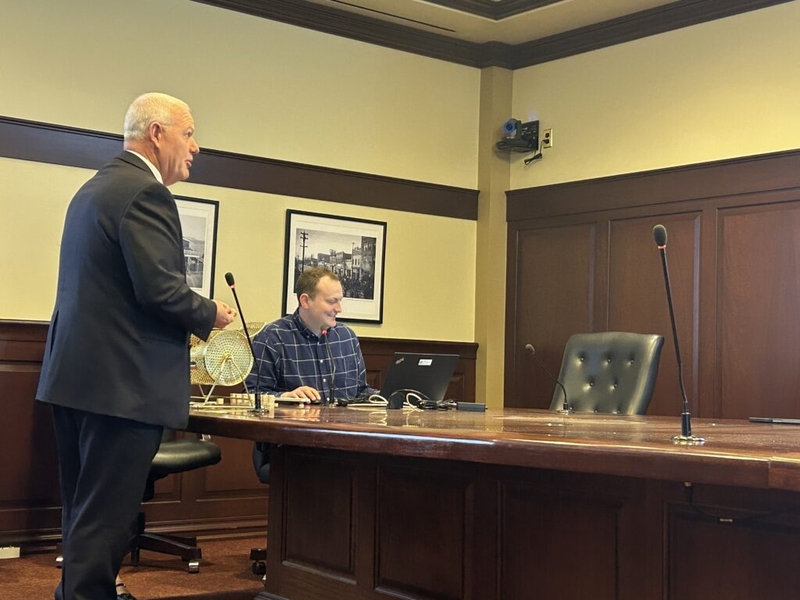
Idaho State Controller Brandon Woolf picks numbered tiles representing counties to be audited following the primary election at a meeting on Friday, May 29, 2026. (Photo by Kyle Pfannenstiel/Idaho Capital Sun)
Idaho election officials on Friday randomly selected eight counties — including rural counties and two in the state’s population center — to undergo audits of paper ballots after the May primary election.
Plucking numbered tiles that were jumbled inside a metal tumbler, Idaho State Controller Brandon Woolf picked each county that is slated to be audited, including the state’s two most populated counties, which are in the Treasure Valley. Officials chose to audit ballots in Ada, Butte, Canyon, Franklin, Gooding, Lemhi, Owyhee and Power counties.
Idaho Secretary of State Phil McGrane, the state’s top election official, said the audits are meant to verify the accuracy of election results reported by counties.
“It will confirm that counties are in compliance with Idaho law and the practices, the directives issued by our office,” McGrane said at the meeting. “And most notably, it’s for Idaho voters — just to ensure that when voters … go to the polls and they cast their ballot, that they can have confidence that their vote does count.”
In Caribou County in East Idaho, a Republican primary race for county commissioner was so close — a tie — that the race was decided by coin toss, as required by state law, Local News 8 reported. McGrane mentioned that race as an example of why voting matters.
“In the elections business, it’s one of the most common questions we get. ‘Why should I vote? It doesn’t really matter,’” McGrane said. “Well, these audits will show that it does matter, and that every vote really does make a difference.”
Audits are required by the Legislature. Costs are unclear.
The audits are required by a 2022 law passed unanimously by the Idaho Legislature through Senate Bill 1274.
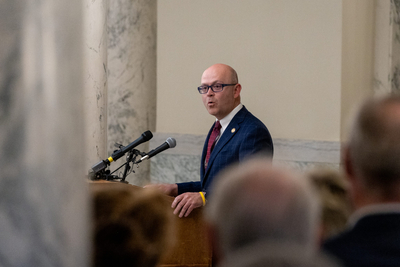
In an interview, McGrane said he wasn’t sure how much these audits would cost — because much of the costs are in his staff’s travel to each of these counties. He anticipated his staffers would use the state’s plane to travel to the far-flung counties in the tight timeline required for the audits.
“Between Butte County and Lemhi County, we will be flying the state plane to get the auditors out there. Just, it’s the most practical. Especially, one of the hardest things is that the window of time to conduct the audits is very narrow,” McGrane told the Idaho Capital Sun.
The fiscal note of the law that requires the audits estimated they would likely not cost more than $50,000 in each election. Under the law, the Secretary of State’s Office must pay the costs for audits, including costs that county clerks incur to organize them.
The Idaho State Board of Canvassers is scheduled to meet June 9 to certify the election results.
How Idaho’s post-election ballot audits work
As part of the audits, officials with the Idaho Secretary of State’s Office will hand count a random selection of thousands of ballots in each county to compare that to results publicly reported by county clerks.
In the counties selected, officials are slated to audit at least 2,100 ballots, or 5% of precincts.
The audits will be for individual races in each county, such as for federal congressional offices, statewide offices such as the governor, or state legislative seats. McGrane gets to decide which races will be audited, said Daniel Lee, an election system specialist with the Secretary of State’s Office.
McGrane said his office will soon announce the dates of each audit. The audits are open to the public to observe.
Idaho election officials didn’t include in the random draw counties that were audited in recent elections, like Bear Lake, or counties that are likely to receive an audit because of close races, like Caribou County.
Boise, ID