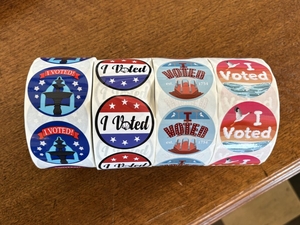
Getting ready to vote? Compare candidates with the 2026 Alaska Voter Guide
Aug 03, 2026 | 8:15 pm ET

The Alaska Beacon, Alaska Public Media, KTOO and the Anchorage Daily News worked together this year and have created a voter guide to help Alaskans make informed choices when they vote.
The 2026 Alaska Voter Guide won’t replace debates, forums and public statements. Instead, it’s something extra, aimed at informing voters about what candidates believe and providing a tool to hold them accountable once elected.
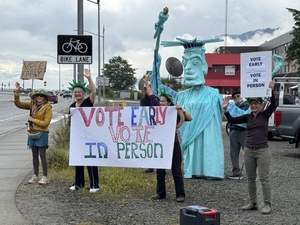
We’ve been working for months on this and are pleased to present it to you today, on the opening day of early in-person voting.
Each news organization asked its readers, viewers and listeners a basic question: What do you want candidates to talk about?
That’s what’s called the “citizens agenda” — where election reporting is less about determining who’s ahead, and more about what a candidate’s positions are and how they would affect things if elected.
We sent emails to every candidate in the first week of July and followed up by phone calls in the second week. We continued reaching out, by email, text message and phone call, throughout July.
In the end, 107 of 132 state legislative candidates responded — 81% of everyone running for the Legislature. That’s a huge improvement over two years ago, when 78 of 115 candidates answered a survey from the Beacon alone, or 67.8%. Four years ago, the Beacon’s rate was below 60%.
For the governor’s race, 14 of 17 candidates responded. For the U.S. House race, we received responses from 11 of 15 candidates, including Democratic candidate Matt Schultz, who has suspended his campaign but is still on the ballot. In the U.S. Senate race, we have answers from 11 of 16 candidates.
While it isn’t everyone — and we’ll continue pursuing answers — we’re proud to say that this questionnaire is the most complete one that you can find anywhere in Alaska.
When it comes to the Legislative races, the Beacon had the lead role and was in charge of questions. Here’s what we asked candidates and why:
Would you be willing to serve in a coalition majority where members of the other party are in leadership? Why or why not?
Whoever is in the majority controls the agenda and decides which bills advance and which bills fail. Alaska is the only state in the country with coalitions in both the House and Senate. The difference between a Republican-led majority and a coalition one is a big one in terms of what the Legislature does over the next two years.
What’s the biggest need in your district, and how would you address it?
This is an opportunity for candidates to show how much they know about local needs; it’s also a chance for them to talk about any issues we didn’t bring up.
What do you think should be done to improve public education in the state?
You, our readers, wanted candidates to talk about education more than anything else. This gave candidates a chance to talk about their platform.
How should the Alaska Legislature handle the Permanent Fund dividend?
This was probably the No. 2 issue that you brought up when we asked you what you wanted candidates to talk about.
How should lawmakers balance state revenue and expenses in the long term?
This is closely tied to the dividend question and meets your request to ask candidates about a fiscal plan.
When you look at the state budget, what’s the No. 1 thing you’d like to see cut or reduced, and what’s your No. 1 preferred way to raise new state revenue?
Like the previous question, this is a way to test candidates about their knowledge of the state budget and get their thoughts on a fiscal plan. That will be a major topic over the next two years.
What, if any, changes does the state need to make to its elections and voting system?
Voting and elections came up again and again when we asked readers what they wanted candidates to discuss. The Legislature has tried — and failed — to enact an elections bill over the past six years, so it’s a safe bet that the 35th Legislature will try again.
What threats do you see facing Alaska in the next four years?
This was our way of allowing candidates to show their priorities — what are they most worried about?
What should legislators do to make Alaska a better place for children and families?
This question came in response to your desire to see candidates talk about preschool, daycare, early childhood education and more.
As Alaska’s average age rises, what needs to be done to make the state a better place for older residents?
Alaska is the fastest-aging state in the country, and that trend is expected to continue. It’s something that the next Legislature will have to address. This question allows candidates to speak to older Alaskans directly.
What should Alaska do to keep residents and visitors safe from crime and disaster?
This question gave candidates a chance to talk about crime and climate change, data centers, energy shortages … it was really open-ended.
What, if any, change would you make to state law to support the Alaskans who are dependent on fish harvests and the fishing industry?
Candidates have been talking about fishing quite a bit this year, but it’d be a mistake to ask state-level candidates about trawling, given that most of it takes place in federal waters and there’s little the Legislature can do about it. So this question is more general.
What do people not know about you that you think they should know?
We’re not normally a fan of softball questions in these surveys, but they can be an opportunity to get to know a candidate’s personality, so this was an open-ended opportunity.
What should the Legislature do to help Alaskans with the high cost of living?
Inflation and cost of living came up as issues in a big way later in the spring, and we wanted to make sure we asked candidates about it.
How are the Trump administration’s policies working in Alaska? Where do you see them working well, and where do you see problems?
Our readers wanted very much to hear candidates talk about Donald Trump and whether they’re for or against him and his policies. This is a way to bring that question to a state level and make it applicable to the Legislature.
Juneau