House Democrats ask IRS to eye tax implications of $10M transfer to Hope Florida
Sep 30, 2026 | 5:12 pm ET

Description
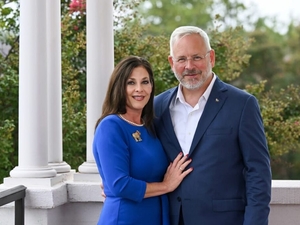
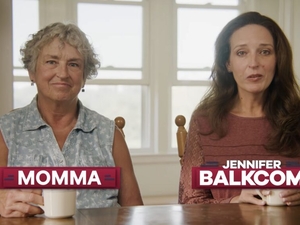
First Lady Casey DeSantis and Gov Ron DeSantis at a May 20, 2025, Hope Florida press conference in Tampa. (Photo by Mitch Perry/Florida Phoenix)
Top Democrats in the Florida House are demanding the Internal Revenue Service open an investigation into whether the Hope Florida Foundation and two social welfare organizations that received money from it properly reported the funds to the IRS and, moreover, whether any of the organizations have to pay taxes on the funds.
House Democratic Leader Fentrice Driskell of Tampa and state Rep. Kelly Skidmore of Boca Raton sent a letter to IRS Chief Executive Officer Frank J. Bisignano this week detailing the findings of the Hope Florida grand jury report that was leaked to CBS News in August.
Although the grand jury found that $10 million in Medicaid was “misappropriated” by top Florida Republicans and wound up being used for “political activities,” it concluded there was not enough evidence to criminally charge anyone involved.
Democrats maintain the 19-page grand jury report shows that top Republicans flouted Florida law by diverting money that should have been returned to the state coffers and say they want accountability.

“We refuse to lift our foot off the gas when it comes to Hope Florida and the abuses of our taxpayer dollars from state officials at the highest levels. There must be accountability to the people of Florida,” Driskell, from Tampa, said in a prepared statement.
“The IRS has the authority to review any potential abuses that may have occurred in this case. We are willing and eager to assist them as we seek justice for Floridians.”
A Leon County grand jury examined the $10 million transfer from an overbilling settlement the state reached with a Medicaid managed care plan to the Hope Florida Foundation, a 501(c)(3) organization set up to assist an initiative championed by First Lady Casey DeSantis that aims to remove people from social service programs by helping them make private-sector connections.
A 501(c)(3) is an organization with a focus on charitable, religious, educational, or scientific work. They are prohibited from participating in political campaigning and rules limit their lobbying. Contributions to a 501(c)(3) are tax deductible and must be disclosed.
The Hope Florida Foundation granted $5 million each to Secure Florida’s Future Inc. and Save Our Society From Drugs Inc. Those social welfare agencies, both 501(c)(4) corporations, then transferred most of the funds to Keep Florida Clean, a political committee once chaired by now-Attorney General James Uthmeier.
Keep Florida Clean transferred funds directly to the Republican Party of Florida, which spent it to campaign against 2024’s proposed state constitutional Amendment 3, the grand jury found.
A 501(c)(4) is a social welfare organization with the main purpose of promoting what’s best for the general welfare of a community. It has no lobbying limits. Contributions to a 501(c)(4) are not tax deductible and donors are not generally required to disclose their contributions to the IRS.
The amendment would have made recreational marijuana legal in Florida for adults over the age of 21 had it drawn approval by 60% of the voters. Gov. Ron DeSantis adamantly opposed it.
The Democrats’ letter notes that the IRS grants tax exempt-organizations significant benefits on the condition they operate for charitable or social welfare purposes. A 501(c)(3) organization cannot intervene, directly or indirectly, in any political campaign, and its lobbying must be insubstantial.
A 501(c)(3) organization’s “political and excess lobbying expenditures are subject to excise taxes on both the organization and its managers,” the letter says.
It continues: “Although we recognize that [federal law] limits what the Service can share with us, we ask that you examine whether the three charitable organizations complied with these requirements and accurately reported the funds at issue, and that you assess any taxes owed as a result of the ultimate use of the funds.”
Tallahassee, FL