Hobbs vetoes bill to fast-track small nuclear reactors at Arizona data centers
Jun 23, 2026 | 5:02 pm ET
Description
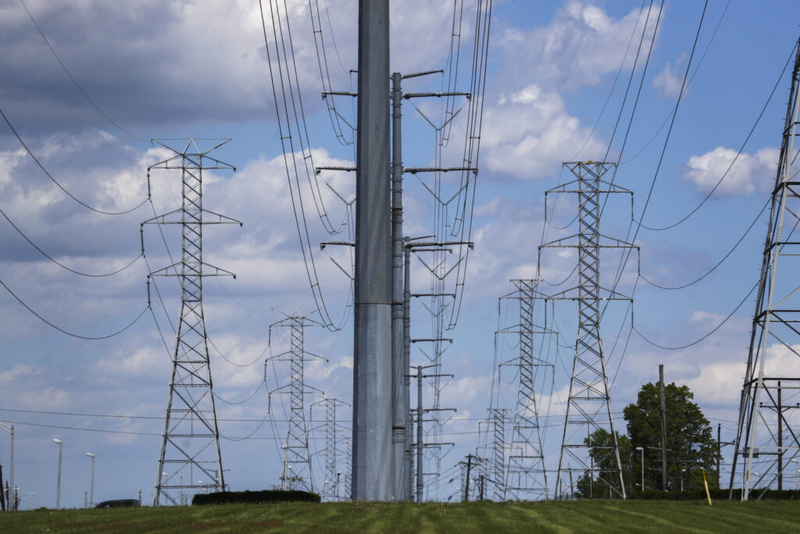
(Photo by Dana DiFilippo/New Jersey Monitor)
A bill to allow utility companies to build small nuclear reactors without having to conduct environmental studies or public hearings and bar nearly all Arizona counties from regulating them was among the dozens of measures vetoed last week by Gov. Katie Hobbs.
The measure would have barred any county, except for ones “with 500,000 people or more,” from “preventing, restricting or otherwise regulating the use or occupation of land or improvements for the construction and operation” of the technology. The only counties with more than 500,000 people are Maricopa and Pima.
The bill from Sen. Frank Carroll, R-Sun City West, outlined certain criteria in which the technology would be exempt from regulations, including if it was “co-located with an extra high load” customer — for instance, a data center — had received federal approval or was not located within a county island, among others.
Carroll’s bill was similar to other ill-fated attempts last legislative session that were also vetoed.
Nuclear advocacy groups have raised more than $1.5 billion to push for these novel reactors amid the ongoing AI boom. Generative artificial intelligence, like Chat GPT and others, is built on an ever expanding network of data centers, which require large amounts of power.
Small modular reactors, or SMRs, are a relatively new technology, and the Union of Concerned Scientists has said that many of the perceived benefits have either not been proven or are not true at all. Other states have started looking into the technology, as well, with mixed results.
“Given record demand growth projections, Arizona must responsibly reduce barriers to deploying new energy projects quickly,” Hobbs wrote in her veto letter. “We are not in the business of picking winners and losers in the energy landscape, and while advancements in small modular reactor technologies are promising, they still are emerging. Deploying such a catch-all approach for an emerging technology, as laid out in this bill, is irresponsible.”
Hobbs further stated she believes in a “responsible regulatory framework” for the technology and looks forward to “further engagement on the issue in future sessions.”
Carroll did not respond to the Arizona Mirror’s request for comment for this story.
Phoenix, AZ