Governor signs bill allowing security spending with campaign funds
Oct 27, 2026 | 8:13 pm ET
Description
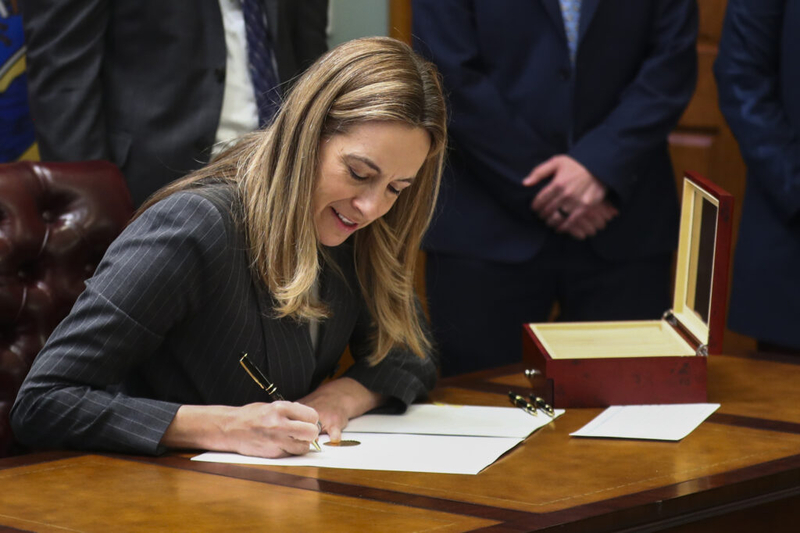
Gov. Mikie Sherrill signed a measure, introduced after political killings last year, that lets candidates and elected officials pay for security upgrades with campaign cash. (Photo by Dana DiFilippo/New Jersey Monitor)
Gov. Mikie Sherrill on Tuesday signed legislation allowing candidates and some other fundraising committees to use political contributions to pay for security upgrades needed because of a campaign.
The bill, which won unanimous passage in the Senate but met with a 51-12 Assembly vote divided largely along party lines, allows certain political fundraising committees to fund security upgrades like cameras, gates, and personnel to meet threats that have become increasingly common for individuals seeking or holding office.
It prohibits using campaign funds to pay for firearms or ammunition, and it bars any payments to family members or entities they operate.
Under the new law, security upgrades paid for by campaign accounts are the property of the campaign and must be dissolved once the campaign account closes or an officeholder leaves their position. That can be done by selling devices and equipment at cost or for another reasonable value.
The New Jersey Election Law Enforcement Commission will set regulations further governing the use of campaign funds for candidate security.
The bill’s introduction in February came after a rising tide of political violence in 2025 that included the assassinations of former Democratic Minnesota House Speaker Melissa Hortman and her husband and the conservative activist Charlie Kirk.
Despite its bipartisan sponsorship by Sens. Paul Sarlo (D-Bergen) and Carmen Amato (R-Ocean) and Assemblyman Rob Karabinchak (D-Middlesex), the bill had met with Republican opposition in the lower chamber from members who worried campaign donors were the wrong source to fund security.
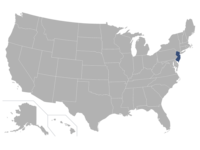
Trenton, NJ