Conservation group sues feds for failing to protect rare Nevada toad and fish
Oct 27, 2026 | 6:09 pm ET
Description
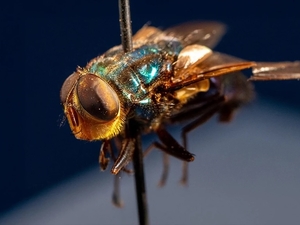
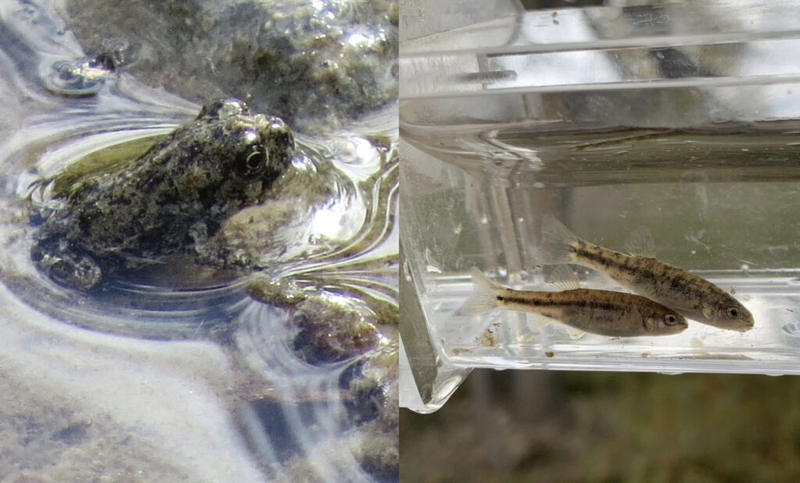
Amargosa toad, Oasis Valley speckled dace. (Photos: Center for Biological Diversity, Bureau of Land Management)
A conservation group sued the federal government Tuesday for failing to make a timely decision on whether to list a rare Nevada toad and fish as endangered or threatened species.
The Center for Biological Diversity sued the U.S. Fish and Wildlife Service Tuesday for allegedly violating the Endangered Species Act after federal wildlife managers failed to issue a 12-month finding on whether to list the Amargosa toad and the Oasis Valley speckled dace, as required by federal law.
Last year, a review by the U.S. Fish and Wildlife Service found there was substantial evidence that both the toad and fish may be eligible for listing, after the Center filed petitions to protect both species under the Endangered Species Act. But the agency missed the legally required deadline to issue a final decision on whether to protect the toads and fish.
The Amargosa toad and Oasis Valley speckled dace live in spring-fed habitats along the Amargosa River in Oasis Valley near Beatty in Nye County. The Amargosa toad is only found along a 14 mile stretch of the Amargosa River, with a population estimated at about 2,000 individuals.
The area has also attracted gold mining company AngloGold Ashanti, which has proposed several potential mines in the area.
“The Amargosa toad and Oasis Valley speckled dace are at the center of a bullseye surrounded by gold mining activity that threatens to push them over the edge to extinction,” said Patrick Donnelly, Great Basin director at the Center for Biological Diversity. “Endangered Species Act protections are urgently needed for these species before AngloGold’s mines suck dry the water they need for survival.”
According to the petitions, both the rare toad and fish are threatened with extinction due to groundwater pumping from seven proposed gold mining operations along the Amargosa. Six of those projects are being proposed by British multinational miner AngloGold Ashanti, including what is potentially the largest greenfield gold discovery in Nevada in more than a decade.
AngloGold Ashanti has claimed their Arthur Gold Deposit could contain about 16 million ounces of gold resources, nearly five times as much gold as Nevada produces annually.
AngloGold Ashanti’s North Bullfrog Project, which is currently in the permitting phase, is about nine miles north of the Town of Beatty. The project would span about 5,400 acres of public lands and would withdraw up to 2,500 acre-feet of water per year from Oasis Valley, perhaps enough to serve about 7,500 homes.
The conservation group said “the combined groundwater drawdown from these projects could substantially reduce flows or dry up springs along the Amargosa River that the toads and fish depend on for survival.”
“The Amargosa River is a crown jewel of the Mojave Desert, and we shouldn’t sacrifice it for gold mining,” said Donnelly. “The Amargosa toad and Oasis Valley speckled dace are emblems of Nevada’s remarkable biodiversity. We won’t rest until they get the protections they urgently need and deserve.”
Las Vegas, NV