New Mexico announces new screwworm cases, creating infested zone in Las Cruces
Oct 27, 2026 | 5:14 pm ET
Description
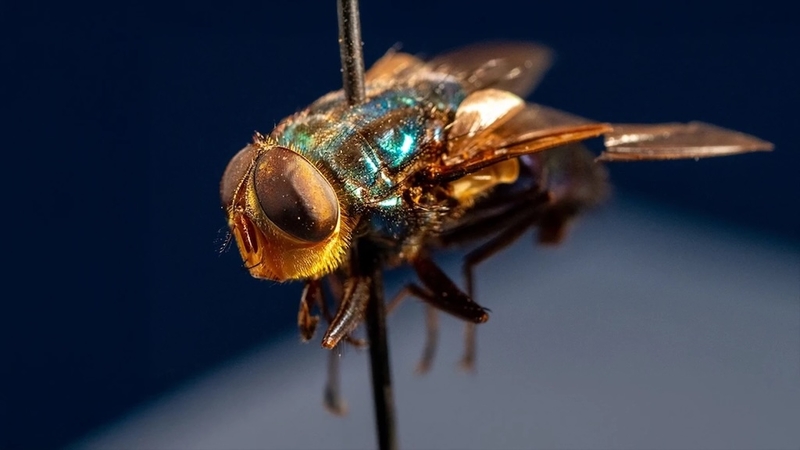
A pinned specimen of a full-grown New World screwworm fly. (Image via Texas A&M)
New Mexico agriculture officials on Tuesday announced two more confirmed cases of New World screwworm, and a new infested zone in Las Cruces.
The two cases in Doña Ana County include a sheep on the New Mexico State University campus and a cow at an off-campus location. They follow four confirmed cases last week in Otero and Grant counties.
With the new Las Cruces cases, state and federal officials say they are expanding surveillance and fly-trapping on the NMSU campus and establishing a 12.4-mile infested zone in the area.
“Early detection is critical to containing New World screwworm and protecting animal health,” State Veterinarian Dr. Samantha Holeck with the New Mexico Livestock Board said in a statement. “We encourage the campus community to know the warning signs and report suspicious wounds or infestations promptly.”
Residents can view the current infested-zone map at ScrewwormNM.org to determine whether it includes their properties. Animals located within infested zones are required to be inspected within five days of any movement.
“Protecting animal health requires awareness and action from all of us,” New Mexico Secretary of Agriculture Jeff Witte said in a statement. “With cases now confirmed in Doña Ana County, we encourage the NMSU community and surrounding residents to stay vigilant, recognize the warning signs and report concerns quickly.”
The discovery last year of the screwworm’s reemergence has raised widespread concerns for the cattle industry across much of Mexico, along with New Mexico, Texas and Arizona.
The New World screwworm, a maggot named for its behavior of feeding on live tissue, can cause serious injury and death, primarily to animals and rarely to humans. Warning signs include wounds that fail to heal or become worse; maggots within wounds; and other unusual signs to injuries, including discharge and irritation.
Santa Fe, NM