Gov. Brian Kemp adds property taxes, appointments to special session
Jun 03, 2026 | 5:57 pm ET
Description
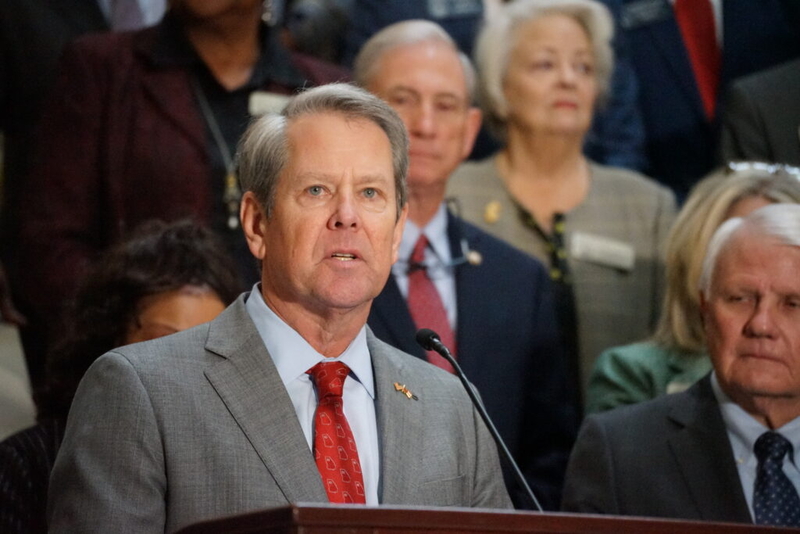
Kemp issued an amended proclamation Wednesday adding three new tasks for the legislature to consider in a special legislative session starting on June 17. Alander Rocha/Georgia Recorder
A June special session aimed at redrawing the state’s political map and addressing election ballot QR codes just got busier.
Gov. Brian Kemp issued an amended proclamation Wednesday adding three new tasks for the Legislature to consider when they gavel in for a special legislative session on June 17.
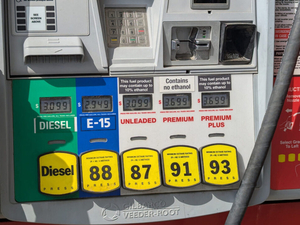
The new additions include language that allow lawmakers to confirm appointments made by Kemp since the Legislature adjourned in early April and formally approve the gas tax suspension Kemp issued through an emergency order that ended on June 2.
The new proclamation could also allow certain local property tax referendums to be added to the November ballot.
That would come from Senate Bill 33, which created a new local one penny sales tax called the Local Homestead Option Sales Tax. It is intended to provide property tax relief for primary homes by shifting tax revenue from a different one-cent sales tax called the Floating Local Option Sales Tax meant to provide overall property tax relief not specific to primary homes. By levying the LHOST in place of the FLOST, localities could avoid increasing the amount of sales tax people pay.
Carter Chapman, a spokesperson for Kemp, said that the new addition allows municipalities to put these sales taxes up for a vote, potentially as early as Nov. 3, the same date as the general election. Clint Mueller with the Association County Commissioners of Georgia said that for counties to enact the new homestead tax relief, the Legislature must first pass local legislation allowing voters to approve the tax arrangement within their counties.
“The Governor has expanded the Special Session call to allow those local acts so local referendums can be held as early as this November,” Mueller said.
Charles Bullock, a political scientist at the University of Georgia, said that while having a referendum on property taxes might help drive Republican turnout, he said that effect in a general election where high-profile races are more likely to influence voting behavior would be “marginal,” especially if a Democratic leaning area has the referendum on the ballot as well.
“Given that everything else is going to be on the ballot, it might add some [votes] perhaps, but everybody is concerned about taxes. Even Democrats are going to vote on those,” Bullock said.
Even though Bullock said that “any kind of edge you can get would be advantageous” to Republicans, especially if the vote is close, he believes that adding it to the special session agenda is likely due to oversight from the Legislature, or “something falling between the cracks there in the last night or so.” By adding it to the June special session, Bullock predicted it is likely an attempt at saving state money and lawmakers’ time.
“At least by saying it has to be done by November, it means we’re going to appear in the general election ballot, so that it’s not another separate election with the costs involved with that, as well as the additional demands on the local election officials,” Bullock said.
Georgia Recorder Deputy Editor Ross Williams contributed to this report.
Atlanta, GA