Free skin cancer screenings offered at Rhode Island beaches this summer
Jul 07, 2026 | 5:24 pm ET
Description
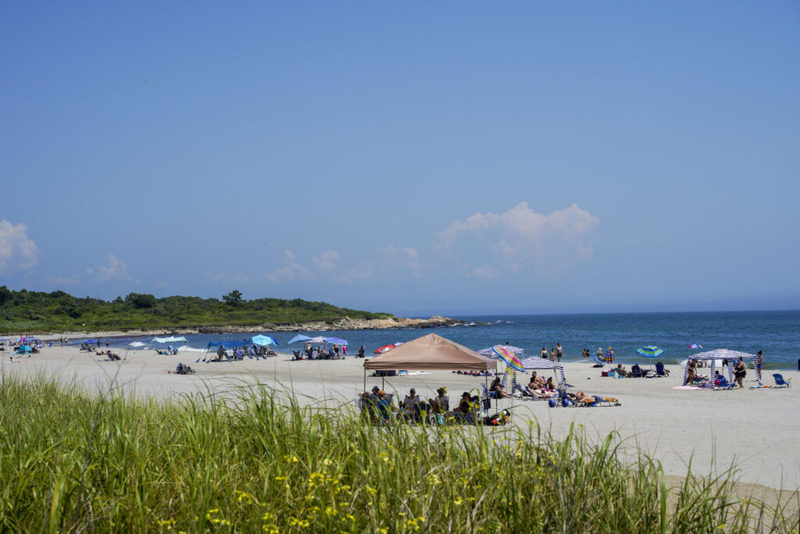
Scarborough State Beach in Narragansett in July 2025. (Photo by Laura Paton/Rhode Island Current)
Rhode Island beachgoers have five opportunities to receive free skin cancer screenings this summer thanks to a partnership between the Rhode Island Department of Health and Brown Health Dermatology.
Screenings start Friday, July 10, at Easton’s Beach in Newport and will continue at sites in Narragansett and Lincoln through Saturday, Aug. 22.
“Cancer screenings have the power to save lives,” health department director Dr. Jerome “Jerry” Larkin said.
Participants are encouraged to wear bathing suits or other clothing that can reveal areas they want checked. Those who require follow-ups will be referred for further dermatology consults, the health department said in a press release.
The state has provided skin checks at public beaches since at least 2015, according to a study of the events’ outcomes. The study analyzed screenings from 2015 to 2019, and found that around one quarter of participants were referred for further dermatology consults. At least one third of those referred kept their appointments.
Only nine referrals — 1% — were for melanoma, the most serious form of skin cancer.
The two skin conditions most observed in screenings — actinic keratosis and keratinocyte carcinoma — required referrals but were highly curable. The first one is precancerous, and the latter is cancerous.
“Cancer screenings have the power to save lives,” health department director Dr. Jerry Larkin said. “Skin cancer can affect people of all skin tones and complexions, which is why all Rhode Islanders should take advantage of these free, convenient skin cancer checks.”
Just over 2% of Americans will be diagnosed with melanoma throughout their lifetime, according to data from the National Institutes of Health. Almost 95% of those with melanoma live five or more years after their diagnosis.
Alongside the free screenings, people can reduce their skin cancer risk through prevention and early detection, according to the press release.
Prevention measures include wearing sunscreen of at least SPF30, seeking shade during peak UV hours, wearing UV-resistant clothing and avoiding indoor tanning. To ensure early detection, individuals who work outside should be screened annually and those with a family history of skin cancer should schedule checks with professionals.
Children should also be screened, and individuals should schedule checks if they observe changes in their moles or skin spots, the health department said.
Providence, RI