FCC set to vote on cellphone jamming in prisons after yearslong push from SC
Oct 28, 2026 | 1:01 pm ET
Description
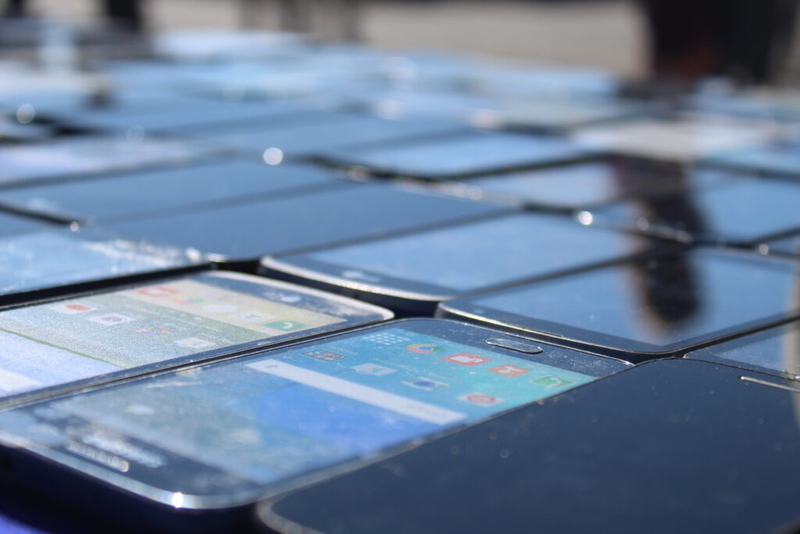
Around 1,500 cellphones sit on a table outside Broad River Correctional Institution in Columbia on Tuesday, Oct. 22, 2024. (Skylar Laird/SC Daily Gazette)
A decision allowing state prisons to jam cellphone signals is potentially weeks away, federal officials announced Wednesday in Little Rock, Arkansas.
The Federal Communications Commission is scheduled to vote Nov. 19 on the change, which would establish cellphones inside prisons as unauthorized and allow local officials to get permission to block their signals.
The proposal comes after more than a decade of advocacy from South Carolina’s top prison officials, whose quest for more tools to make contraband phones useless included multiple trips to the nation’s capital to testify.
FCC votes to move forward with cellphone jamming, a longtime priority for SC prisons
Federal prisons can use jamming technology, but a policy prohibiting the interference with authorized cell signals bars state prisons and local jails from doing the same. Inmates in state-level prisons who get their hands on cellphones can — and often do — use them to orchestrate crimes with people outside of prison, officials have said.
“This has been a huge issue, the issue of prisoners holding communications technology in prison and using it, using this technology, these cellphones, to commit more and more crimes,” Arkansas Attorney General Tim Griffin said in a news conference livestreamed from his office. “Not just crimes, but violent crimes.”
In South Carolina, inmates have used contraband cellphones to run extortion schemes, operate major drug rings, and order hits on people outside of prison, including corrections officers responsible for confiscating illicit items from inmates.
The policy change has been in the works for more than a year. In September 2025, the three-member FCC opened the potential change up to public comment. The vote next month will determine whether that proposal is finalized.
If approved, state prison officials will be able to apply to the FCC for permission to use jamming technology, said Brendan Carr, head of the commission.
Joel Anderson, who leads South Carolina’s prison system, has already said he plans to seek permission to install jamming devices in the state’s 21 prisons. He was among officials at the announcement in Arkansas’ capital.
SC officials hopeful FCC will allow cellphone blocking in prison: ‘Jamming is the answer’
The technology is extremely precise, allowing prisons to block only signals coming from within certain buildings without interfering with nearby communications, Carr said.
“This isn’t going to be a silver bullet at the end of the day, but it’s a tool that’s been denied law enforcement and correction officials for too long,” he said.
South Carolina’s Department of Corrections is ready to act as soon as that permission is granted.
Legislators spent $18.5 million over two years on technology that tracks cell signals within prisons, which South Carolina was the first in the nation to adopt.
But that’s a tedious process that involves reporting the numbers of individual phones to carriers to turn off those specific phones.
That same technology can block cellphone signals completely, former corrections director Bryan Stirling said previously.
All the state needs is the federal commission’s OK.
Columbia