False birth control claims are proliferating, survey says
Sep 22, 2026 | 4:08 pm ET
Description
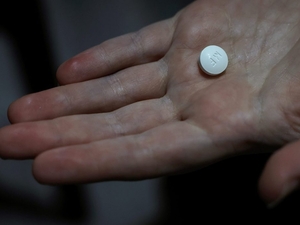
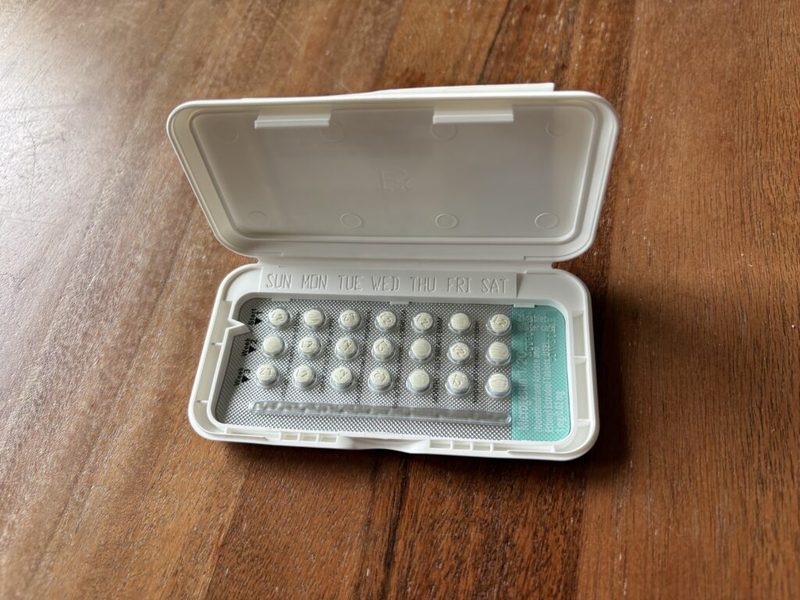
More than half of women of reproductive age have seen or heard the false claim that hormones in contraceptives are harmful, according to a new KFF survey. (Photo by Kelcie Moseley-Morris/Stateline)
More than half of women of reproductive age have seen or heard the false claim that hormones in contraceptives are harmful, and about 4 in 10 have been exposed to the false idea that hormones in contraceptives limit your ability to get pregnant in the future, according to a new survey.
The survey by KFF, a nonprofit health research organization, also found that about a third of women between the ages of 18 and 49 have seen or heard the inaccurate assertion that natural family planning methods are just as effective as hormonal birth control, and a similar percentage have been exposed to the erroneous idea that emergency contraceptive pills cause abortions.
According to the American College of Obstetricians & Gynecologists, long-acting reversible contraception and hormonal birth control are much more effective at preventing pregnancy than fertility awareness-based methods such as menstrual cycle tracking.
Feds have a new teen pregnancy prevention plan: Fertility and ‘reproductive goals’
A large majority of reproductive age women said health care providers are their most trusted source for reliable health care information, with 85% saying they trust them a great deal or a fair amount. In contrast, only 26% said they trust U.S. Department of Health and Human Services Secretary Robert F. Kennedy Jr. for reliable health information, and 48% said they trust federal health agencies. About 25% said they trust AI tools and chatbots, and 14% said they trust social media and social media influencers.
Kennedy has made several statements related to reproductive and sexual health that contradict the medical consensus, including that prenatal exposure to Tylenol and COVID vaccines may be linked to autism. Under Kennedy, HHS has shifted the focus of federal family planning and pregnancy prevention grants away from expanding contraceptive services and toward promoting childbearing or what’s known as restorative reproductive medicine.
As Republicans spar over IVF, some turn to obscure MAHA-backed alternative
The KFF survey found that among 3,538 women of reproductive age, about 35% said they saw or heard something about contraception on social media in the past 12 months.
Of those who saw social media posts about contraception, 78% said they had used contraception in the past 12 months, with 62% using hormonal methods. Of those, 8% stopped and 9% started a new method because of something they saw or heard on social media.
But for a larger share of this group, contraception-related posts led to further consultation, either with a doctor (19%) or online or from AI (36%). Women ages 18 to 25 were more likely to consult AI or the internet (46%) compared with women ages 36 to 49 (29%).
Stateline reporter Sofia Resnick can be reached at [email protected].