East Texas could be the key to developing critical lithium supply for the U.S. military
May 28, 2026 | 12:00 pm ET
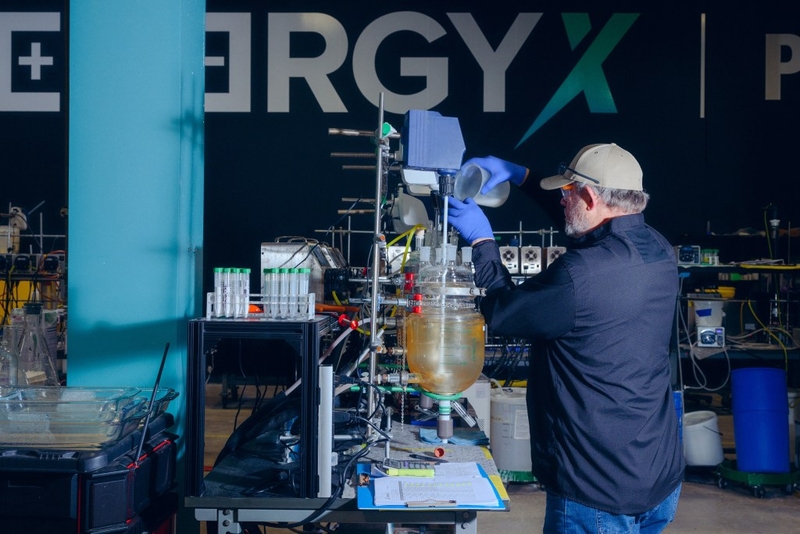
Description
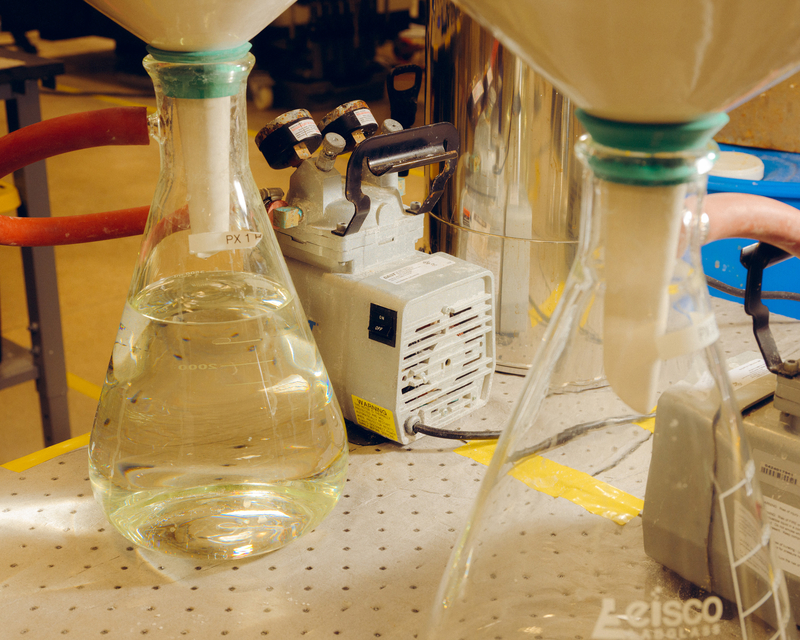
Benjamin MacLean performs a lithium carbonate test at the EnergyX science headquarters in Austin on May 21, 2026. (Manoo Sirivelu/The Texas Tribune)
Subscribe to The Y’all — a weekly dispatch about the people, places and policies defining Texas, produced by Texas Tribune journalists living in communities across the state.
Northeast Texas could provide the U.S. Army with part of its critical lithium supply if a proposed federal bill is passed under the National Defense Authorization Act.
East Texas Congressman Nathaniel Moran and U.S. Sens. Ted Cruz and John Cornyn proposed a bill that would allow private-sector companies to mine for lithium beneath military depots. The goal of this bill, called The Army Organic Industrial Base Mineral Partnerships Act of 2026, is to provide the military with a steady supply of U.S.-based lithium, rather than rely on foreign countries.
The bill could also be a boon for East Texas, a region long dependent on timber, agriculture and oil.
The Army uses lithium to power equipment, like drones or night vision goggles, and support submarines, wheeled vehicles and airplanes. Lithium, a metal that is used medically to treat mood disorders, also has applications in batteries and technology. Most notably, lithium powers the batteries used in electric cars.
For the most part, the U.S. relies on other countries, such as China, to provide critical minerals like lithium for military operations.
Bowie County, which is the furthest northeast county in Texas and is within the Texarkana metropolitan area, resides on one of the largest deposits of lithium brine in the U.S. It is also home to the Red River Army Depot, a roughly 15,000-acre U.S. military base, which already has existing lithium mining projects in the surrounding area.
If approved, the legislation could create new jobs and tax revenues for Bowie County, Moran said. It would establish Texarkana as the army’s premier hub for lithium battery production, Cruz said in a statement.
“Anything that creates investment in jobs is good for our community,” said Bowie County Judge Bobby Howell.
Lithium is often found in salty water aquifers thousands of feet below the ground. The Smackover Formation, which spans from Central Texas to the Florida Panhandle, provides lithium in levels comparable to Chile, one of the leading countries in lithium production.
Most of the production on the Smackover Formation has been in southern Arkansas, but those operations are expanding into East Texas.
Bringing private sector into military mining
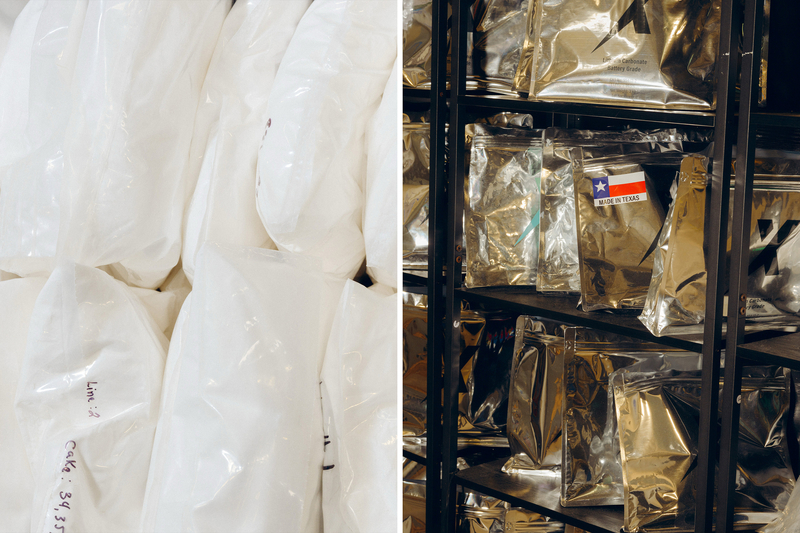
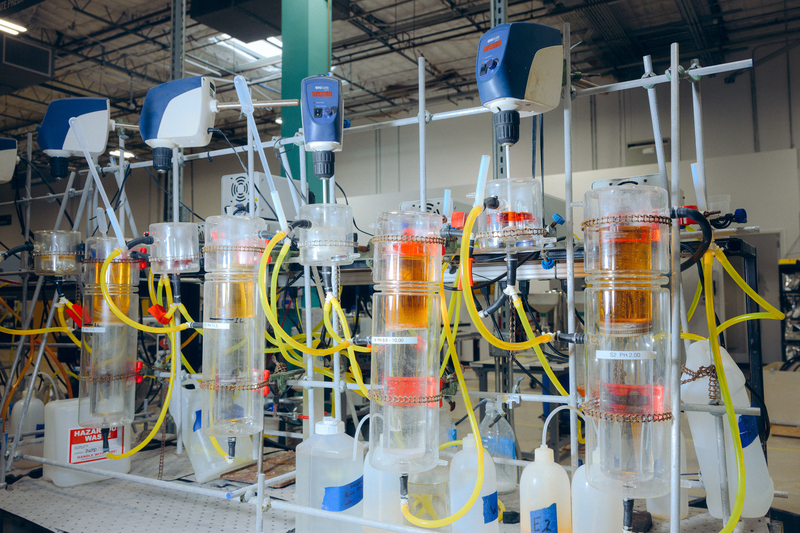
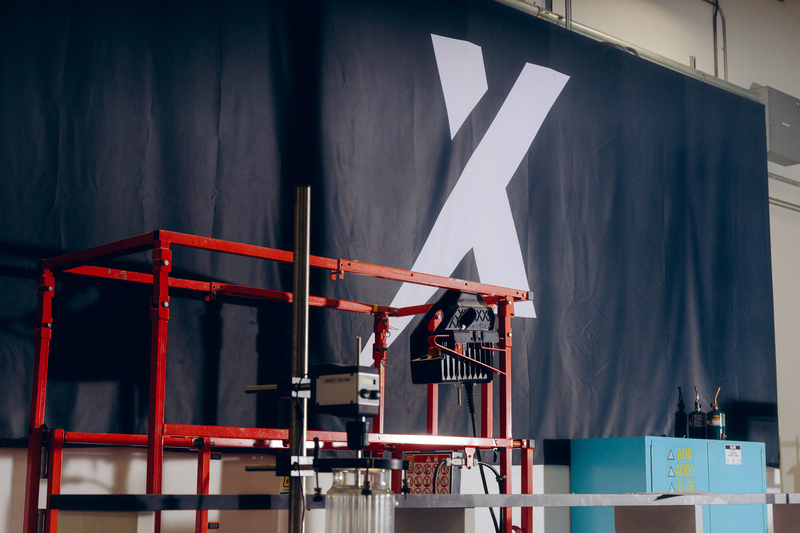
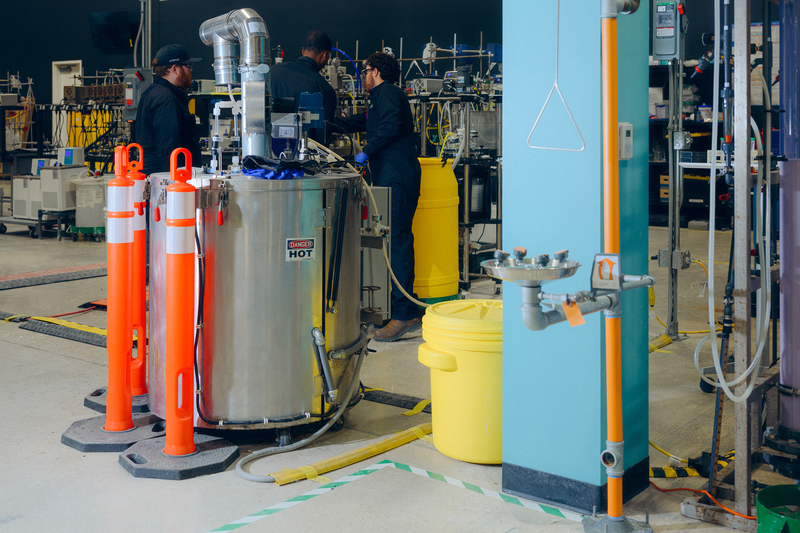
EnergyX, an Austin-based lithium mining company, set up shop on former army depot land to get an idea of how best to extract the mineral from the brine in the region.
Milda Saenz, chief of staff for EnergyX, sees the potential for military connections as a positive thing for the industry. But she’s skeptical on this bill’s impact on the entire industry. Plus, there are several unanswered questions, including which federal agency would oversee mineral leasing on military land and how companies would gain access to those rights.
“We’re glad to hear that the politicians realize that the United States needs to open their resources if they want to become competitive globally, especially securing our national security, national resources and supply chains,” Saenz said.
There is no mechanism currently in place for commercial organizations to access the lithium beneath military installations on the Smackover Formation, said Scott Norton, executive director and CEO of TexAmericas Center. TexAmericas is an industrial real estate developer and manager based in Texarkana. The state named the company a local redevelopment authority to create jobs by redeveloping former Department of Defense property into functional space for commercial and industrial businesses.
Norton said EnergyX will have the option to expand into a full-scale mining operation in the acres that surround the military depot. Saenz said the company is working through its plans, with hopes of growing in phases over the next few years.
Weighing lithium’s environmental risks
East Texans have had a hard battle over the last two years to protect their water supply from overconsumption and pollution. Lately, AI data centers, because of their use of water and impact on the environment, have led to major pushback by the populace.
Lithium extraction, which requires companies to pump brine water from thousands of feet below the surface, could cause alarm. However, the process currently puts the water – minus the minerals – back where it was found.
Moran believes there is a way to mine for lithium that doesn’t harm the environment or water supply.
“We want to do this in a responsible way, a thoughtful way, a reasonable, prudent way,” Moran said. “One that is as a good steward to our natural resources, but also one that understands the significant national security interests wrapped up into becoming independent from China and our adversaries when it comes to critical minerals.”
Howell said he hasn’t heard any pushback from his constituents. Largely, he said, the community sees these projects as a benefit because they bring in well-paying jobs and support the local economy.
EnergyX’s process, for example, is a little different from the processes seen in other countries, such as Chile and Australia. It aims to have little to no environmental impact. It extracts the brine that has lithium in it, which sits thousands of feet below the surface, pumps it through an extraction process and sends the unused brine back to the Smackover Formation the same day.
“We are super clean,” Saenz said. “We are super clean while extracting. We use very little water and get lithium in the cleanest way possible and the fastest way without making any impact on the land or water.”
East Texas’ next big boom?
Lithium mining operations have been cropping up across East Texas over the last five years. Local economists have called it East Texas’ “next big boom.”
“Texas has a lot of potential,” said Brent Elliott, an economic geologist and mineral resource specialist with the Bureau of Economic Geology at the University of Texas at Austin. “We have some of the highest lithium values from brines anywhere in the United States, and it just makes sense because we’re already mining it. There’s been a legacy and historical development of those brines in the past as part of oil and gas production, so it just seems like a no-brainer.”
And the possibilities for communities like those in Bowie County are exciting to the economic development leaders trying to expand the regional economy. Norton, with the TexAmericas Center, said lithium production projects create jobs not just within the industry, but in those that support it, such as education, truck driving, retail and healthcare.
“It’s a great opportunity for not just the Department of War and Red River Army Depot, but also the entire region when it comes to capital investment and job creation,” he said.
But as with any relatively new industry, there are some kinks to work out, said Elliott.
Arkansas has been the hub for lithium mining in the region and has built out rules and regulations that support companies, landowners and those who own mineral rights. Texas is a little behind in the sense that it doesn’t have as extensive rules and regulations as more established lithium mining regions, Elliott said.
“Texas is probably a much friendlier state as far as developing businesses and industry with the oil and gas as the precedent,” Elliott said. “We could probably catch up to Arkansas production pretty quickly. But it is the Wild West until we get some things in place.”
Disclosure: The University of Texas at Austin has been financial supporters of The Texas Tribune, a nonprofit, nonpartisan news organization that is funded in part by donations from members, foundations and corporate sponsors. Financial supporters play no role in the Tribune’s journalism. Find a complete list of them here.
Austin, TX